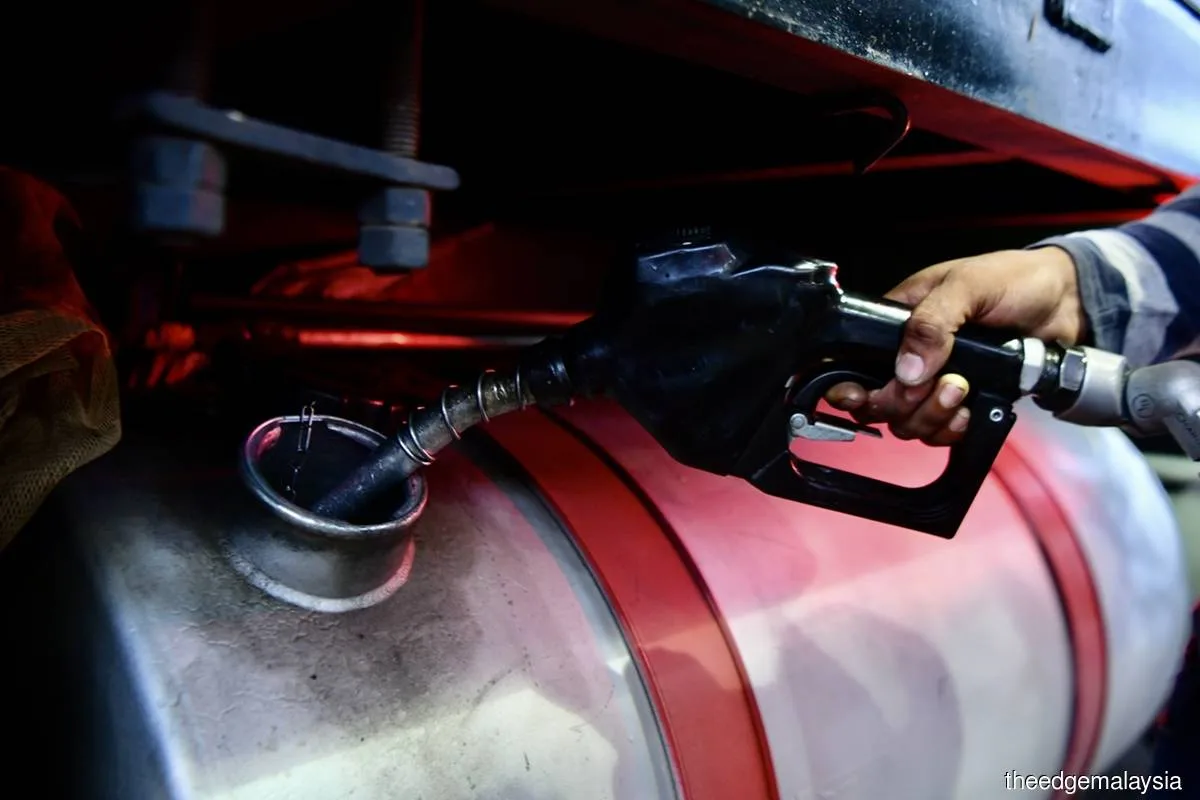
Malaysia’s government has integrated existing diesel subsidy schemes under the Budi Madani framework to better target fuel subsidies and reduce leakages without increasing the overall subsidy size, officials said in June 2026 [1, 2, 3]. Starting July 1, eligible Malaysians can purchase subsidised diesel at RM2.10 per litre. A transitional price of RM2.15 per litre applies from June 27 to 30 [1, 2].
Under the new system, fuel subsidy quotas for RON95 petrol and diesel are combined into a single monthly quota of 200 litres per eligible user, rather than separate quotas for each fuel type [1, 4, 2, 3]. Owners of pick-up trucks and jeeps may apply for an additional 100 litres monthly quota via the Budi Diesel portal [1, 2].
The Subsidised Diesel Control Scheme (SKDS) for commercial vehicles has been expanded to the states of Sabah and Sarawak, enabling about 70,000 eligible commercial vehicles to buy subsidised diesel at RM2.15 per litre using fleet cards [2, 3].
Finance Minister II Datuk Seri Amir Hamzah Azizan said the 200-litre quota was set based on vehicle usage data and is considered sufficient. “What is important is the government's effort to ensure that aid is targeted. We have set the level of 200 litres a month for Budi Diesel based on the data we have from vehicle movements. So, for the time being, 200 litres is sufficient,” he said during a Dewan Rakyat session on June 25 [4, 3].
He also cautioned that global oil price volatility requires continued monitoring. “If we look at the movement of oil prices at the moment, especially regarding issues in the Middle East, it fluctuates. Even if prices drop slightly today, it takes a long time to determine if that trend is permanent. Therefore, we have to wait and see if this can be sustained,” he added [4].
Deputy Finance Minister Liew Chin Tong said the reform consolidates subsidies previously provided through multiple channels under the Budi framework. “There is no expansion of the subsidy programme. Essentially, we are now placing all subsidies, including diesel, under the BUDI framework. Previously, diesel users received cash subsidies and additional assistance through separate mechanisms. Now, everything has been consolidated under the BUDI system to ensure assistance is delivered in a more organised and effective manner,” he said [2].
He highlighted the scheme’s impact on curbing abuses: “What the BUDI framework delivers is that smugglers will no longer be able to purchase subsidised fuel, and foreign nationals will also no longer be able to enjoy subsidised prices. This measure will reduce the government's financial burden because it curbs smuggling activities and prevents foreigners from obtaining subsidised petrol or diesel.” [2]
Rising global crude oil prices—above US$120 per barrel earlier in 2026—and fuel subsidy payments nearing RM5 billion in March and April prompted the reform [3]. Fuel subsidy leakages have been a significant problem, especially in Sabah and Sarawak, where diesel consumption was abnormally high at approximately 200 million litres per month during that period due to smuggling and non-citizen use [3].
Diesel’s weight in Malaysia’s consumer price index remains small at 0.2%, limiting its direct inflation impact [1]. TA Securities forecast Malaysia’s 2026 inflation between 2.1% and 2.6%, expecting minimal effect from the diesel subsidy reform [1].
The new subsidised diesel price and quota system will take effect on July 1, 2026 [1, 2].