Malaysia’s Parliament began examining the Freedom of Information (FOI) Bill 2026 with a first reading on July 13 in the Dewan Rakyat, the lower house, followed by plans for a second reading during the same parliamentary sitting ending July 16 [1, 2, 3, 4].
On July 14, the government tabled a motion to send the FOI Bill to a special parliamentary select committee for a comprehensive clause-by-clause review [1, 3, 4]. The select committee will dissect the bill in detail before further parliamentary debate.
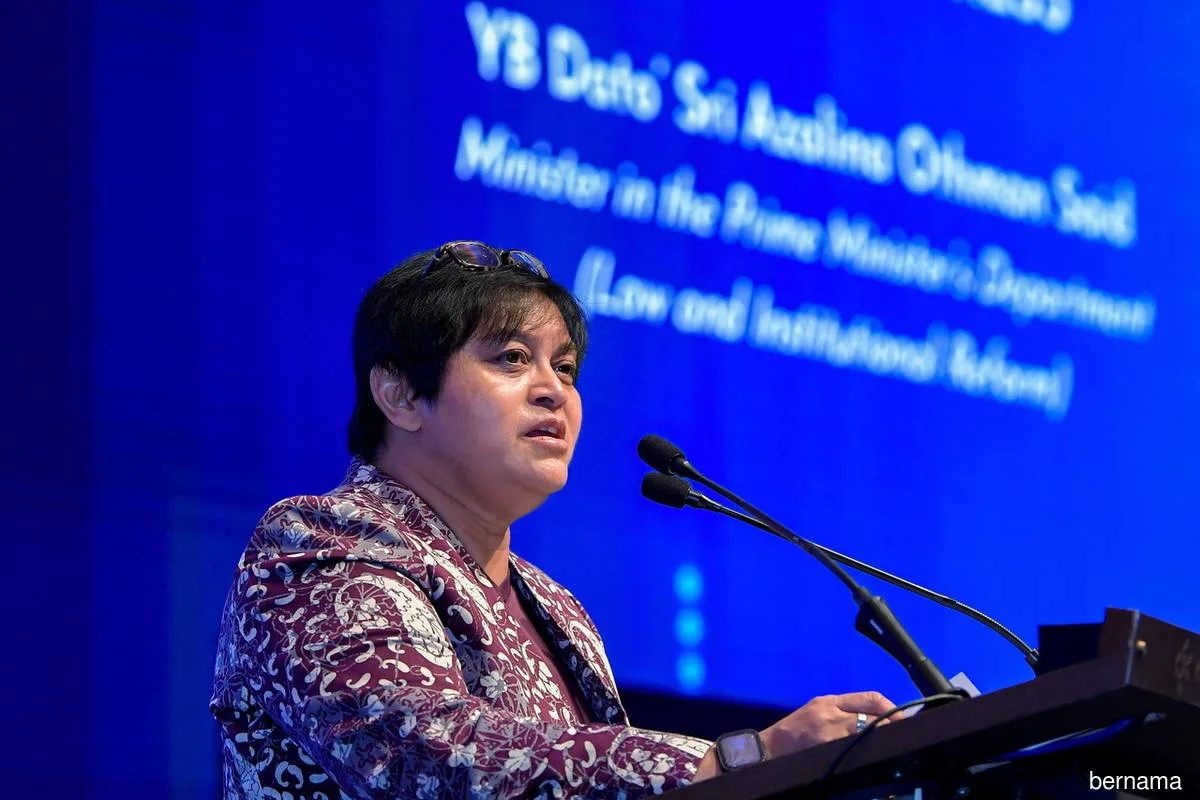
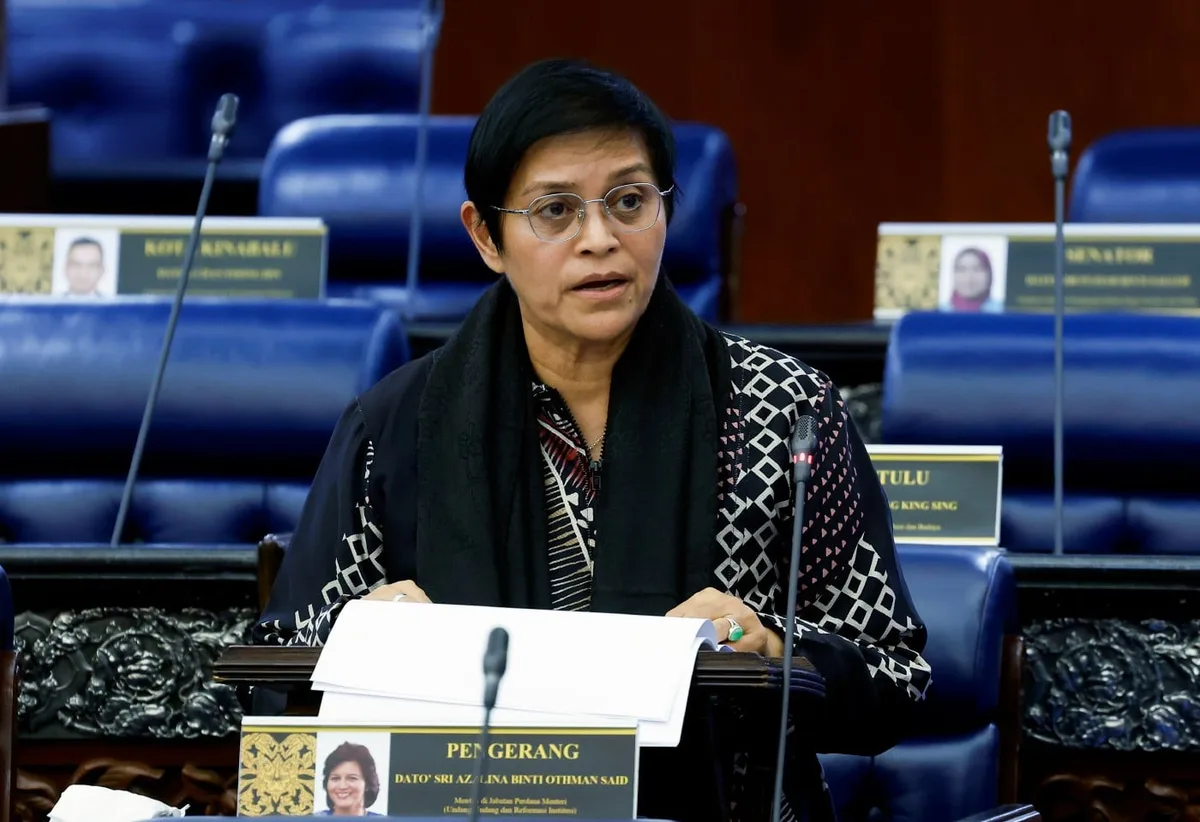
Datuk Seri Azalina Othman Said, Minister in the Prime Minister’s Department for Law and Institutional Reform, announced and backed the referral, saying it will "ensure balanced, trusted legal reform aligned with best practices" [1, 3, 4]. She said, "The government will table a motion on Tuesday, July 14, to refer the FOI Bill 2026 to a parliamentary special select committee to be established" [1]. Azalina added the process reflects a shared commitment to effective reform and best practice legislation [4].
The FOI Bill aims to improve transparency, accountability, and good governance by creating a procedural framework for lawful access to official government information [1, 3, 4]. It allows Malaysian citizens aged 18 and above to request official information in writing [4]. However, existing laws such as the Official Secrets Act 1972 will continue to override the FOI Bill, protecting certain classified information [2, 4].
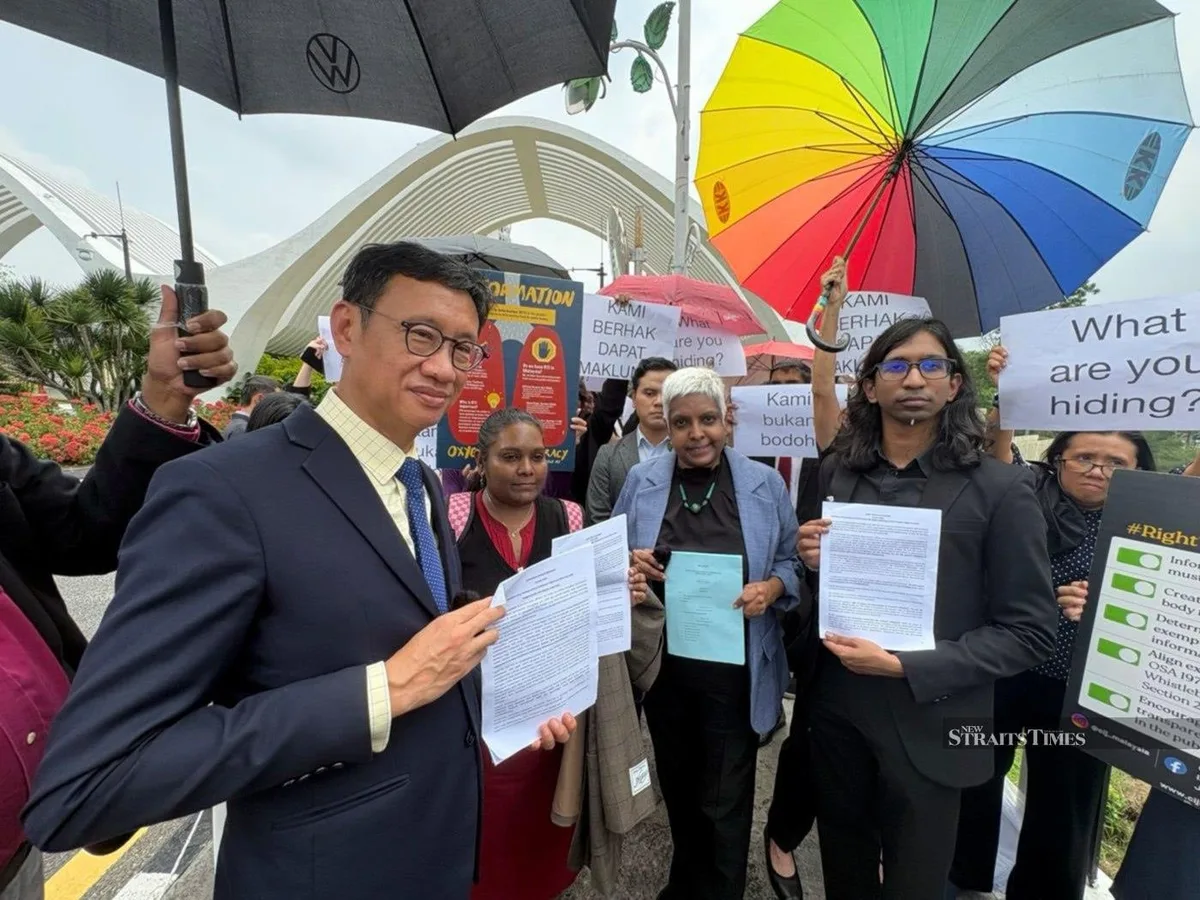
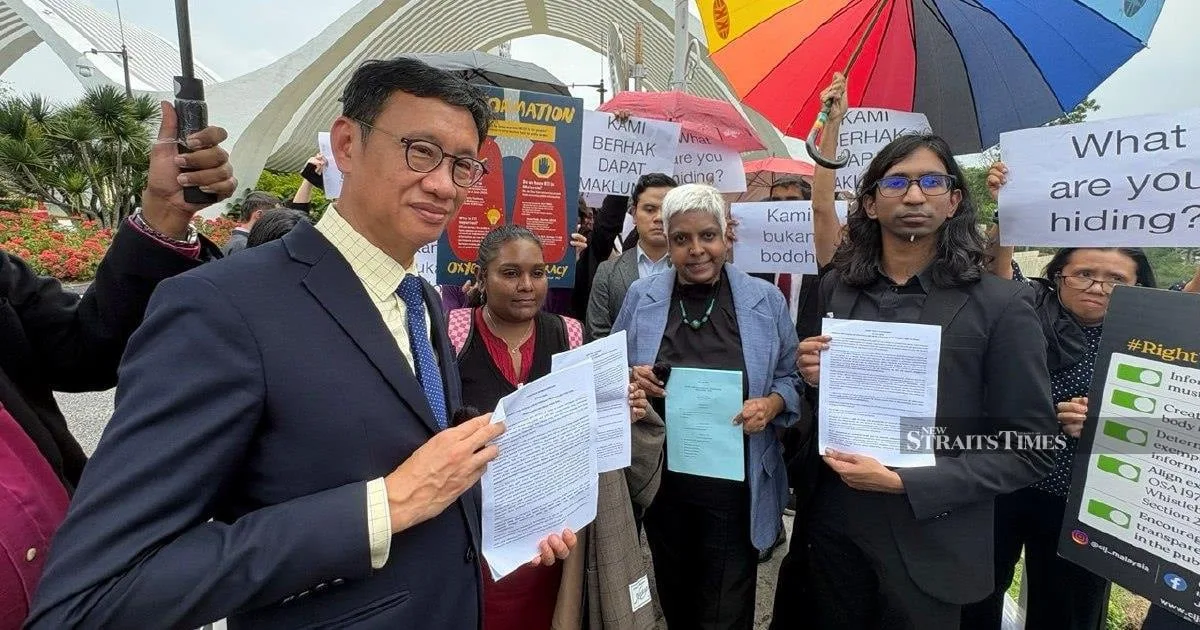
The bill has faced criticism from civil society organizations (CSOs), who argue it retains a culture of secrecy. They say the administrative procedures are restrictive, exemptions are broad and vague, and criminal penalties for improper use of information could intimidate journalists and whistleblowers [1, 2, 5]. Wathshlah Naidu, executive director of the Centre for Independent Journalism, called the referral a positive step but urged a "meaningful, transparent and inclusive" review process, warning it "cannot become another checklist exercise" [5]. She highlighted concerns that criminal liability for using information beyond the stated purpose could scare media away from requesting information [5].
Several state governments and civil servants showed reluctance or hesitation towards the FOI Bill during stakeholder engagement, according to a deputy director-general of legal affairs on June 29, with five states initially not supporting the bill [3].
The Malaysian Media Council welcomed the referral to the select committee and called for rigorous scrutiny of each clause to enshrine the people's right to information [6].
The immediate next step is the parliamentary special select committee’s in-depth review of the FOI Bill 2026 following the government’s July 14 motion. The bill’s second reading is scheduled to occur during the current parliamentary sitting, which ends July 16 [1, 2, 4].