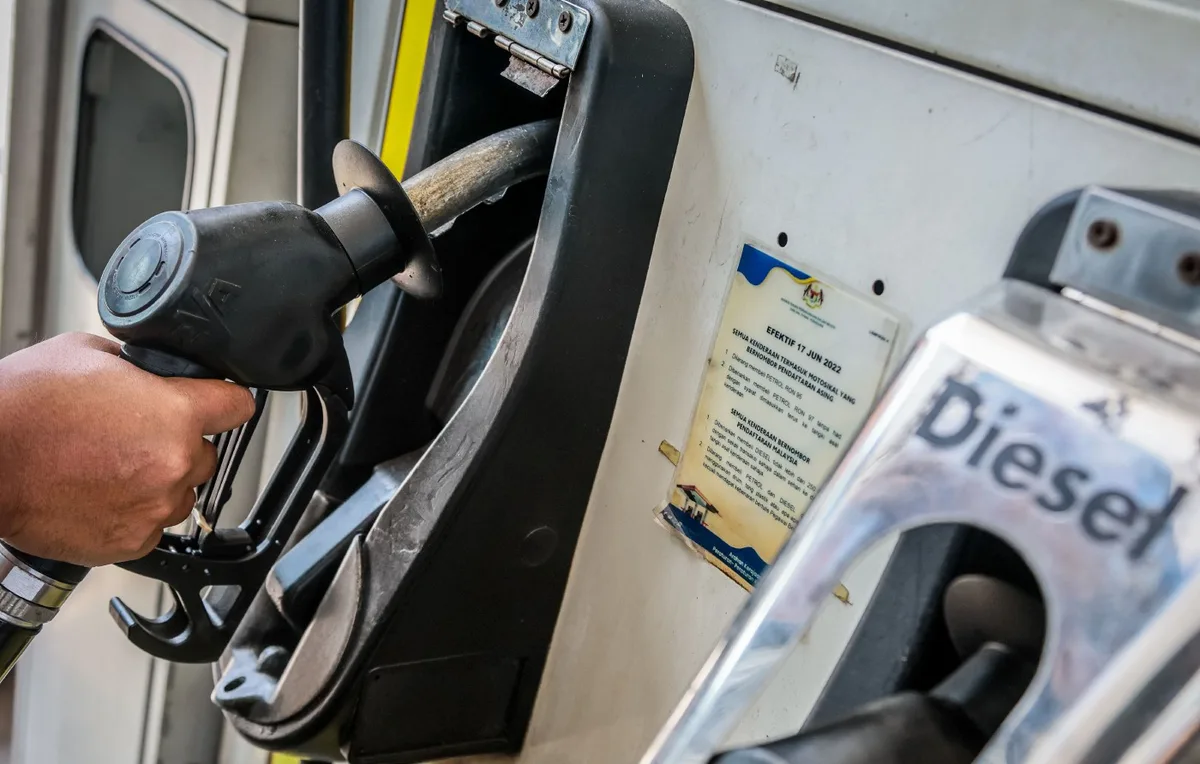
Malaysia has registered 172,955 companies and 464,797 vehicles under its Subsidised Diesel Control System (SKDS) as of July 18, 2026, across the country [1, 2, 3, 4]. The expansion of the targeted diesel subsidy to Sabah, Sarawak, and the Federal Territory of Labuan on July 1 led to 28,127 companies involving 68,669 vehicles being newly registered in these regions [1, 2, 3, 4].
Among registered entities, 18,770 companies with 51,679 vehicles are engaged in the land transport sector for consumer goods, while 7,241 companies with 13,557 vehicles belong to the company-owned land transport sector, which covers jeeps and pickup trucks [1, 2, 3, 4]. The public land transport sector accounts for 2,116 companies with 3,433 vehicles registered under SKDS nationwide [1, 2, 3, 4].
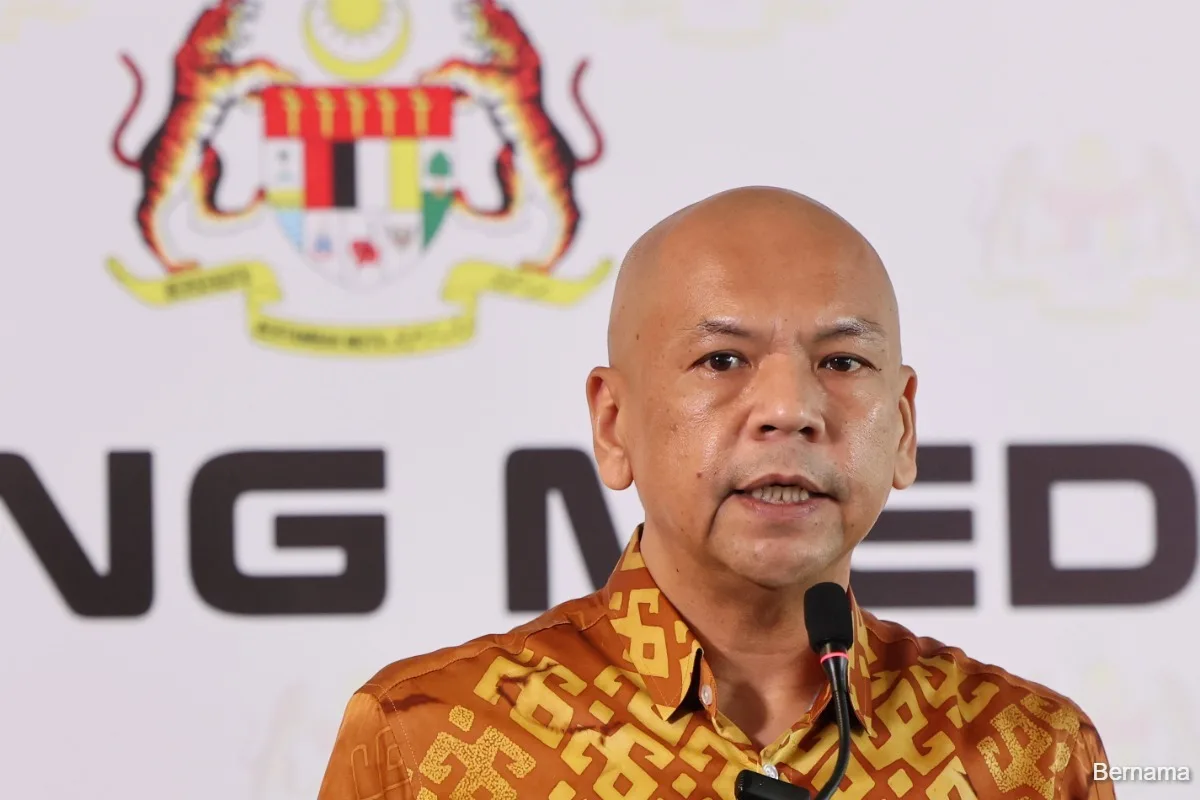
Datuk Armizan Mohd Ali, Domestic Trade and Cost of Living Minister, said the continuous rise in registrations shows "encouraging progress in the implementation of SKDS in Sabah, Sarawak and Labuan" [2]. He noted that companies approved under SKDS can now apply for fleet cards from participating oil companies including PETRONAS, Shell, and Petron [2]. These fleet cards allow every subsidised diesel purchase to be digitally recorded, "strengthening monitoring, reducing the risk of leakages and ensuring the subsidy benefited the intended groups," he added [2].
Applications for SKDS registration in Sabah, Sarawak, and Labuan opened on May 4 ahead of the July 1 subsidy expansion [1, 2, 3, 4]. The ministry is discussing with the Finance Ministry to consider proposals for improving SKDS, based on operational experience and feedback from industry players [2]. Engagement sessions with Sabah and Sarawak governments are ongoing to ensure operational needs are met without compromising subsidy targeting or anti-leakage measures, the minister said [2].
Companies eligible for SKDS but not yet registered are urged to register via the MySubsidi portal [1, 2, 3, 4]. A SKDS fleet card presentation ceremony was held July 19 at Kampung Patau-Patau 2, Labuan, marking a key step in full operational rollout [1, 2, 3, 4].