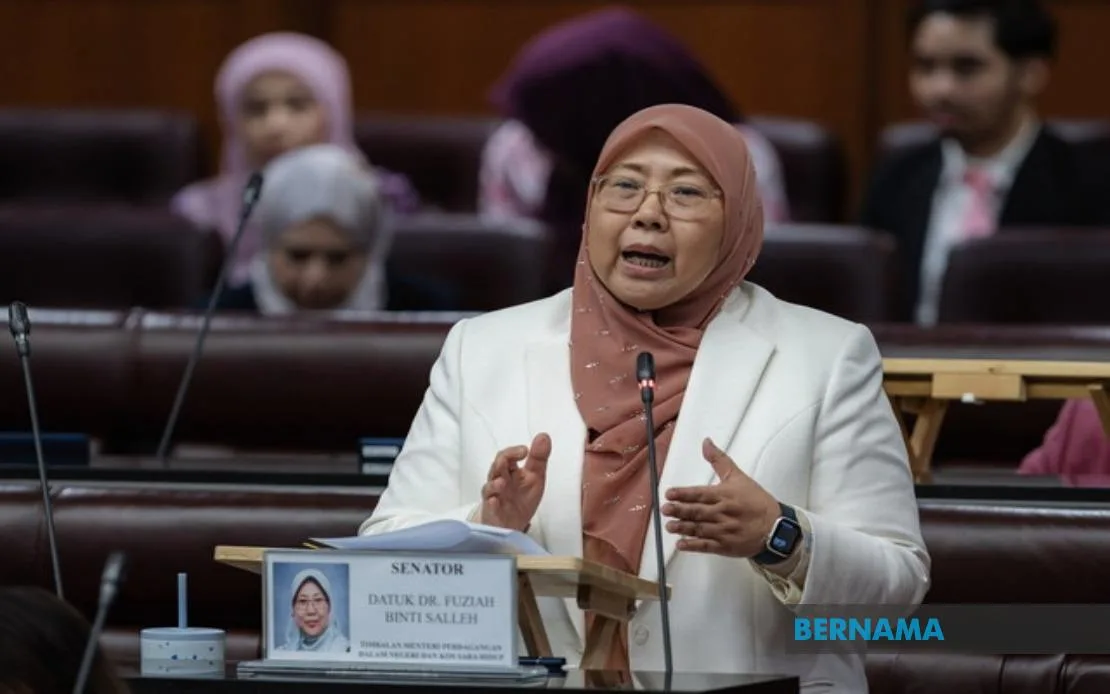
Malaysia stipulates that the use of copyrighted material for training artificial intelligence models requires approval from copyright holders and must include agreed licensing or royalty payments under the Copyright Act 1987 [1, 2, 3]. Deputy Domestic Trade and Cost of Living Minister Datuk Dr Fuziah Salleh stated, "Permission from the copyright owner is required for any work to be used, whether or not it involves AI technology" [1].
The law protects original works created through human effort but does not extend copyright protection to works that are fully AI-generated without significant human creativity [1, 2, 3]. Payment arrangements for using copyrighted works in AI training are governed by Section 27 of the Copyright Act 1987, and can be made through direct licensing, rights assignments, or Collective Management Organisations (CMOs) [1, 2, 3].
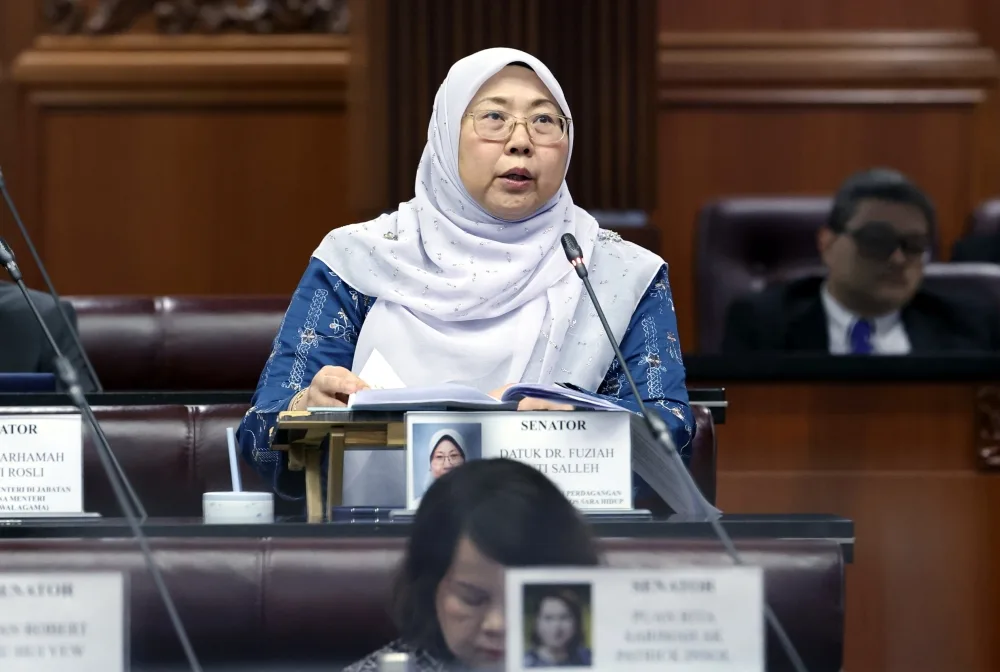
As of August 4, 2026, Malaysia has not recorded any court cases related to copyright violations from AI technology use [1, 2, 3]. During a session in the Dewan Negara, Datuk Dr Fuziah Salleh confirmed that the government continues consultations with stakeholders and is studying approaches taken by other countries before making any new policy or legal changes regarding AI and copyright [1, 2, 3]. She said, "No impact assessment has been conducted yet as we are continuing consultations and studying models adopted by other countries to understand the implications better. AI is evolving very quickly, which is why the engagement process must continue" [2].
While no formal impact study has been done yet on how AI-generated content affects job opportunities or earnings of Malaysia’s creative industry workers, the government is actively examining international models to guide future action [1, 2, 3]. The next key step will be the continuation of stakeholder engagement and legal reviews before considering possible amendments to the Copyright Act or new frameworks for AI-related copyright issues.