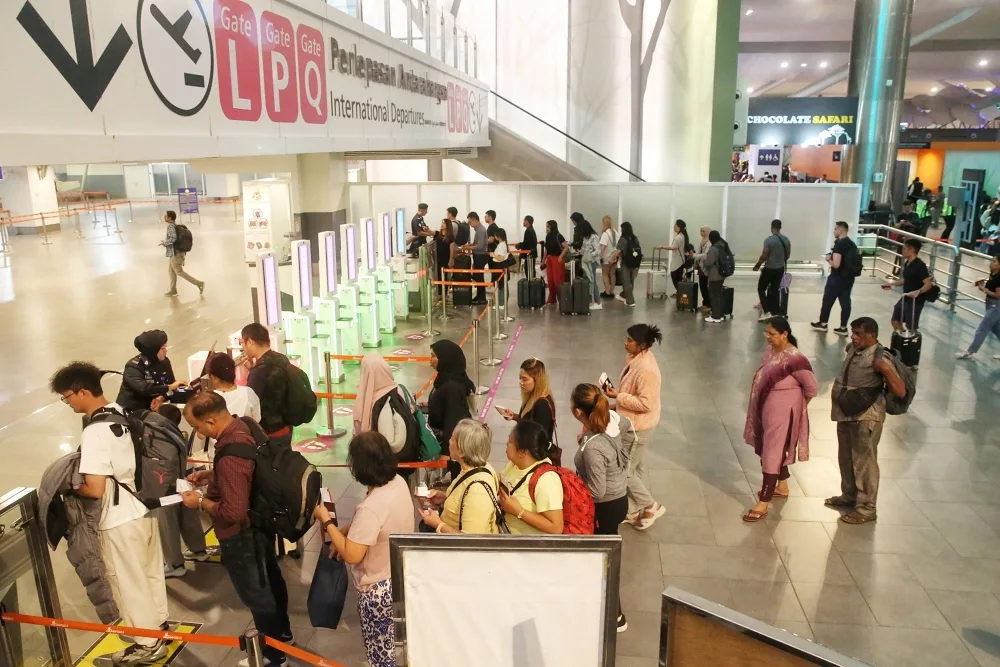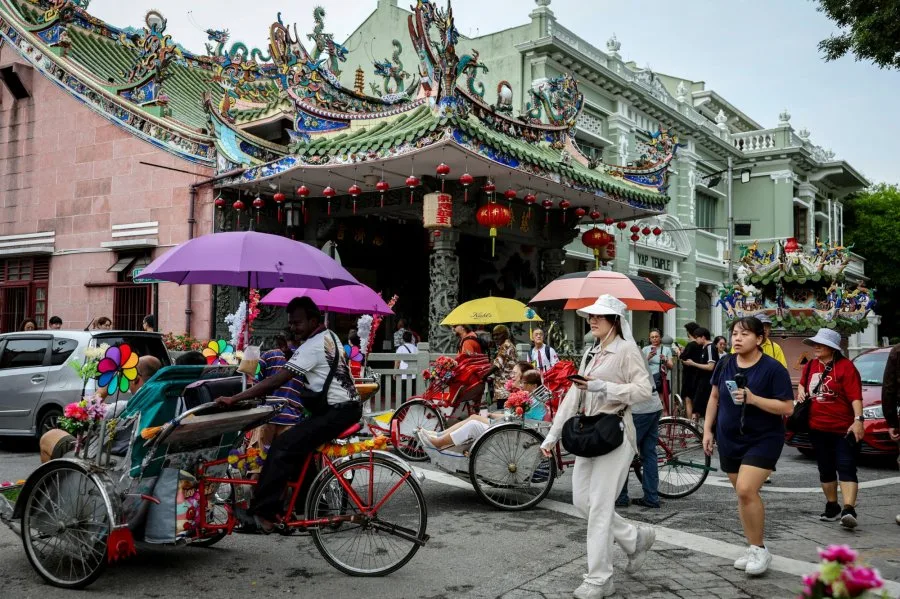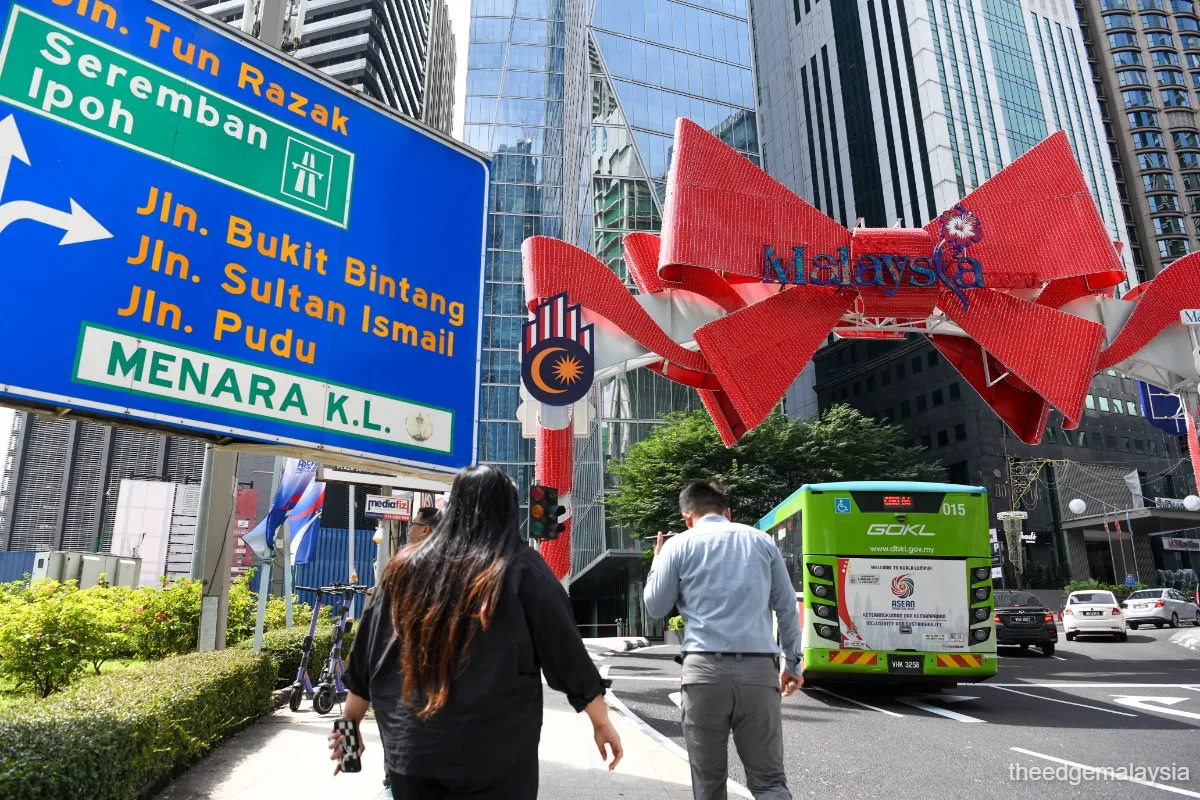
Domestic tourism expenditure in Malaysia rose 15.8% year-on-year to RM34 billion in the first quarter of 2026, driven by increased travel during festive seasons such as Chinese New Year and Aidilfitri [1, 2, 3]. Total domestic visitors reached 74.7 million, up 7.2% compared to the same period last year [1, 2, 3].
On a quarterly basis, spending increased 4.5% from the final quarter of 2025, reflecting steady demand across the sector. Datuk Seri Dr Mohd Uzir Mahidin, Chief Statistician, said, "On a quarter-on-quarter basis, domestic tourism expenditure rose by 4.5%, signalling continued resilience in tourism-related economic activities" [1].
Indicators of travel activity showed gains—highway traffic grew 1.0% year-on-year, retail fuel sales jumped 8.0%, and domestic air passenger arrivals increased 9.6% [1, 2, 3]. The accommodation sector also saw stronger revenue, rising 15.4% year-on-year in line with higher tourism demand [1, 2, 3]. Hotel occupancy rates improved slightly, with 4-star hotels at 62.9% (up from 62.4%) and 3-star hotels at 70.4% (up from 69.3%) in Q1 2026 [1, 2, 3]. City hotels’ occupancy hit 64.1%, and coastal hotels reached 59.9% compared to the previous year [3].
Although international tourist arrivals slipped 3.3% year-on-year in May 2026 to 2.6 million, marking the third monthly decline this year, year-to-date arrivals totaled 10.6 million, up 1.1% over the same period last year [4]. The May decline was attributed mainly to disruptions from the Middle East conflict, elevated airfares, and flight cancellations. The BMI report said, "We see this weakness as the product of temporary factors, chiefly the Middle East conflict, elevated airfares and disrupted flight routes, rather than any lasting erosion of Malaysia’s appeal as a destination" [4].
Arrivals from Mainland China rose 21% year-on-year in the first five months of 2026 to 1.87 million, supported by a visa-free policy and improved air connectivity [4]. BMI forecasts 27.97 million international arrivals for all of 2026, a 5.1% increase from 2025 and 7.2% above 2019 pre-pandemic levels [4]. Malaysia’s tourism slowdown in mid-2026 is expected to reverse in the second half of the year, with international arrivals set to surpass pre-pandemic figures by year-end [4].
The Department of Statistics Malaysia released the Q1 2026 domestic tourism survey bulletin on June 24, confirming the sector’s growth [1, 2]. On June 25, BMI published its forecast for a full-year increase in international visitors [4].