Malaysia’s gross domestic product (GDP) grew by 6.0% year-on-year in the second quarter of 2026, surpassing the official forecast of 5.8% and accelerating from 5.4% in the previous quarter [1, 2, 3, 4]. This marks the strongest second-quarter growth since 2014 outside the pandemic period.
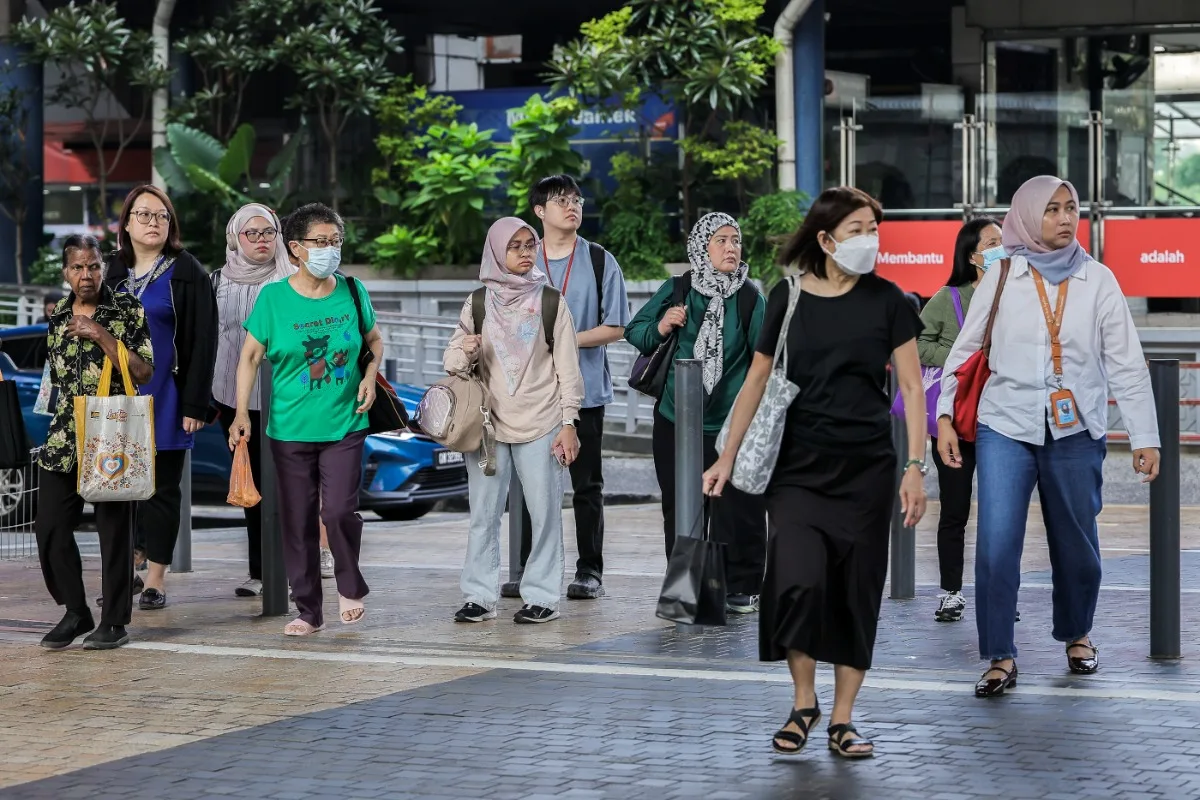
Prime Minister Datuk Seri Anwar Ibrahim acknowledged the growth but emphasized that many Malaysians still face cost of living challenges. "While the headline economic indicators remain encouraging, we recognise that many Malaysians continue to face pressures from the cost of living, while some workers and businesses are navigating a more difficult operating environment," he said [1]. Headline inflation rose to 1.9% in Q2 from 1.6% in Q1 2026, partly due to external cost pressures linked to the West Asia conflict [1, 4].
The government has implemented measures to support households and businesses, including financing for small and medium enterprises, targeted fuel subsidies, and aid programs such as the Sumbangan Tunai Rahmah (STR), Sumbangan Asas Rahmah (SARA), and Budi Madani subsidies [1, 3, 4]. Prime Minister Anwar stressed, "The Madani government will therefore continue to prioritise measures that protect household purchasing power, support affected workers and businesses, and ensure that continued economic growth translates into higher incomes, better employment opportunities and tangible improvements in the lives of the rakyat" [1].
The construction sector showed notable strength, with the value of work performed rising 8.8% year-on-year to RM47.8 billion in Q2 2026. This growth was mainly driven by private sector activity in special trade and non-residential building sub-sectors [5, 6]. Civil engineering increased 2.7%, residential building rose 8.7%, non-residential building advanced 13.3%, and special trade activities surged 17.6% [5, 6]. The private sector accounted for RM31.4 billion or 65.8% of total construction value, while the public sector made up RM16.4 billion or 34.2% [5, 6]. Leading states for construction activity included Selangor, Johor, Kuala Lumpur, Putrajaya, Labuan, and Sarawak [5, 6].
Malaysia’s cocoa industry also showed signs of recovery, with cocoa grinding volume climbing 29% year-on-year to 90,849 tonnes in Q2 2026. This represented 40% of total cocoa grinding in Asia. Barry Callebaut Southeast Asia managing director Ciptadi Sukono noted, "The consumption of cocoa starts to increase again when the price starts to ease a little. Hopefully as an industry we are much more prepared in the future if things like that happen again" [7].
Despite strong economic data, Bursa Malaysia’s benchmark FTSE Bursa Malaysia KLCI index declined on August 13 and 14, reflecting cautious investor sentiment [8, 9]. The ringgit remained largely flat against the US dollar on August 13 ahead of the GDP report [10].
On August 15, Prime Minister Anwar Ibrahim dismissed accusations of sidelining certain states. He confirmed increased federal allocations since 2022, citing rises of 35% for Sabah, 48% for Sarawak, and significant increases for Kedah, Kelantan, Johor, Terengganu, and others. "Sabah’s expenditure has increased by 35 per cent in the three years since we took over the government," he said [11, 12].