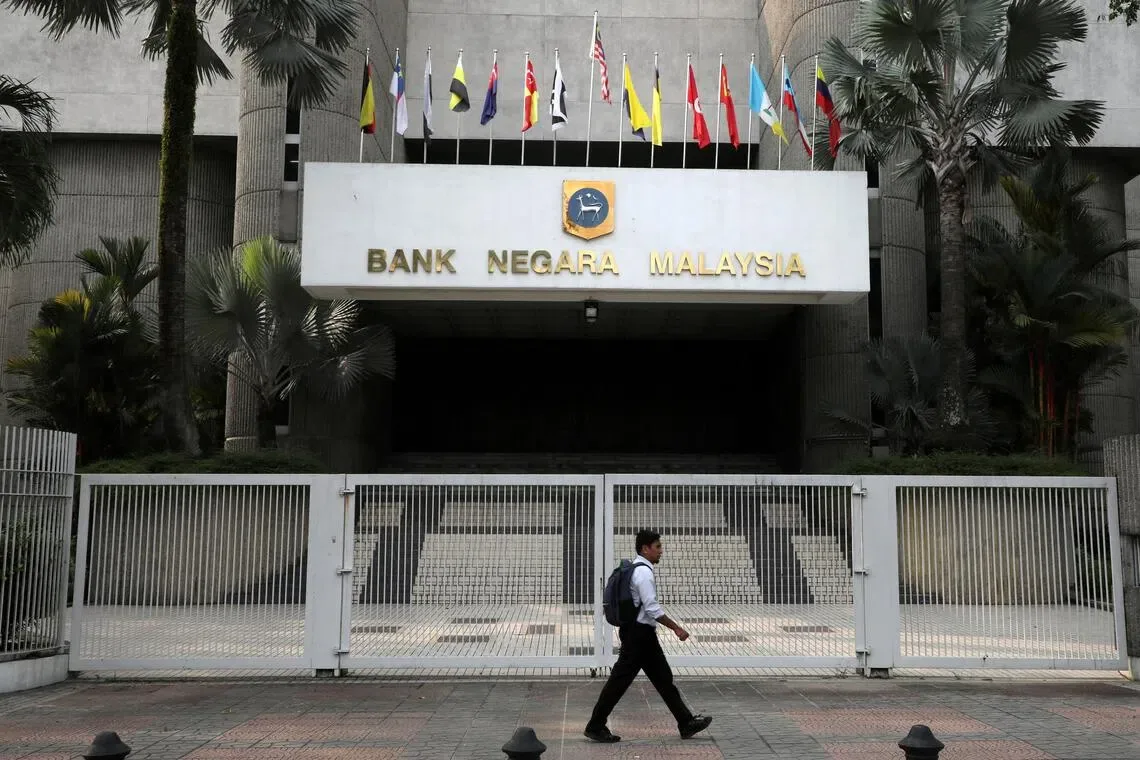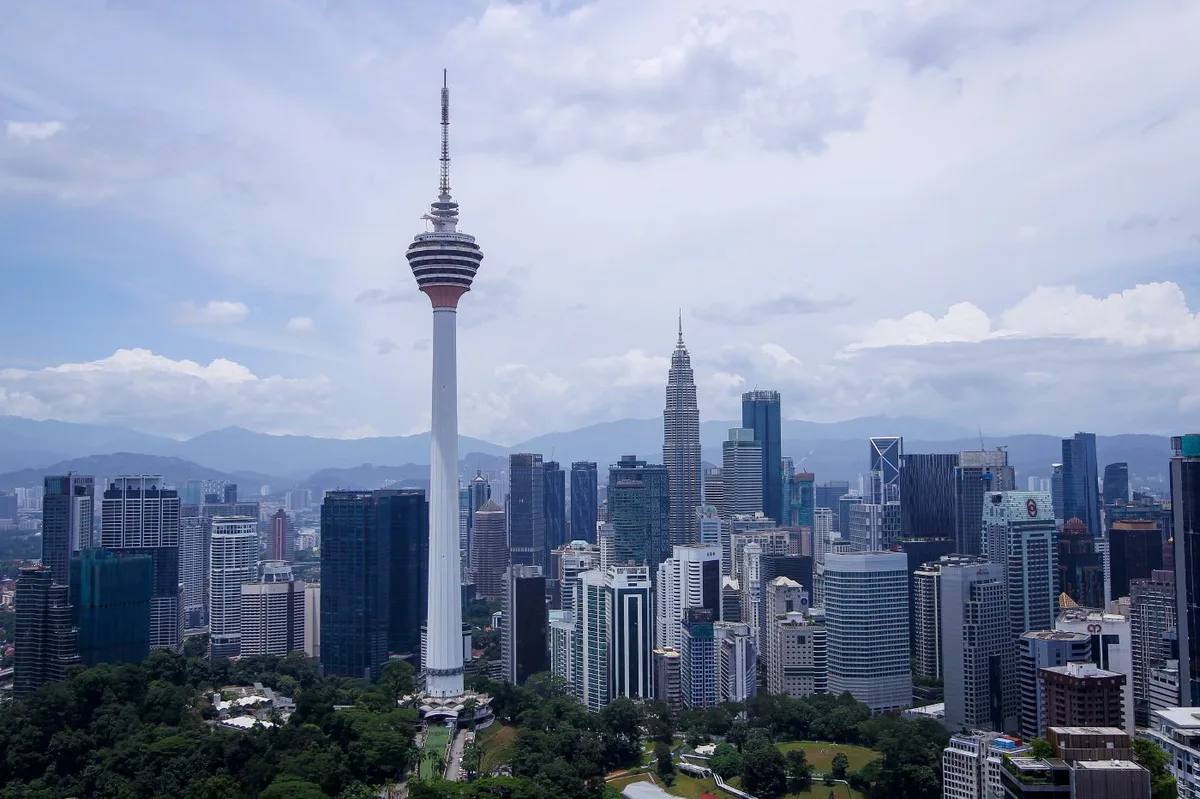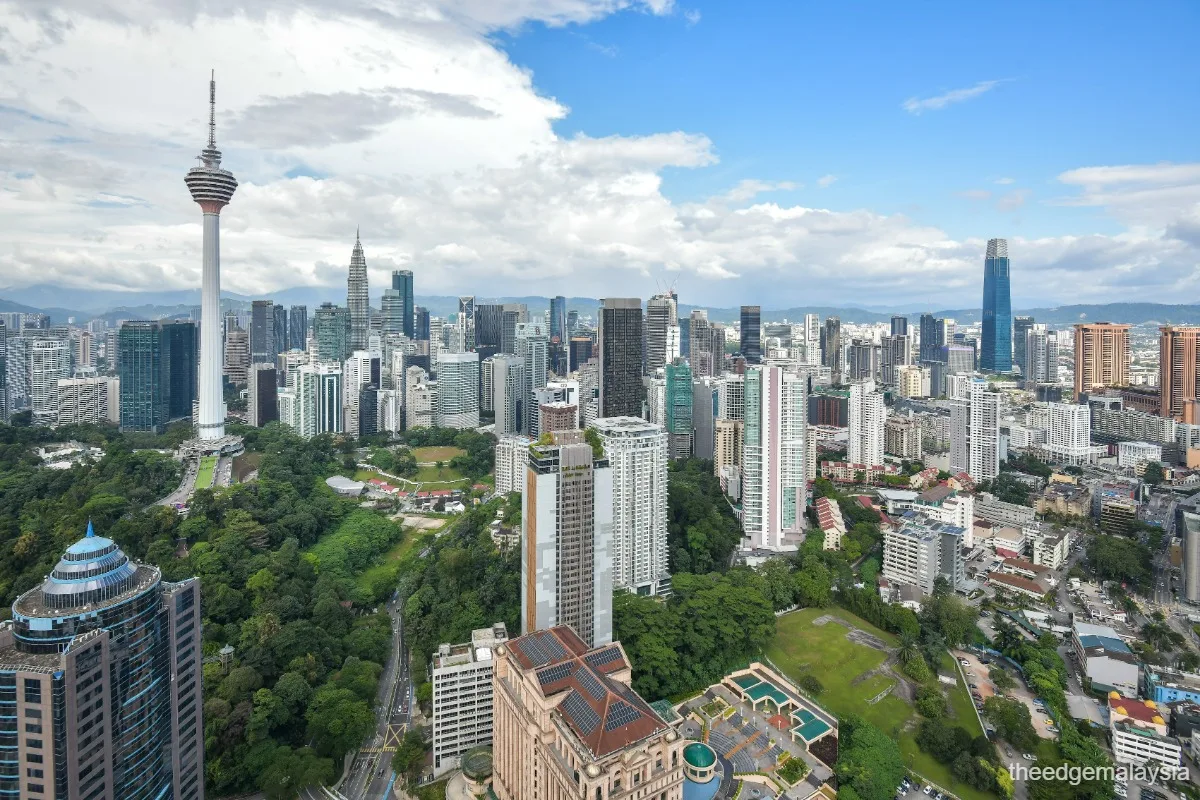
Malaysia’s GDP grew 6.0% year-on-year in the second quarter of 2026, surpassing the official 5.8% forecast and accelerating from 5.4% growth in the first quarter, data released today showed [1, 2, 3, 4]. On a seasonally adjusted quarter-on-quarter basis, GDP expanded 2.5% in Q2 after a slight contraction in Q1 [1, 2].
Exports were a key driver, led by electrical and electronics products along with technology-related goods, reflecting Malaysia’s strong positioning in the global supply chain [1, 2, 3, 4]. The Industrial Production Index rose 7.7% in Q2, further supporting the robust economic performance [3]. Total trade surged 34.1% to RM1 trillion, widening the trade surplus to RM84 billion [3].
Household spending remained steady, aided by government fuel subsidies and targeted assistance programs that helped maintain consumer demand [1, 2, 3]. Prime Minister Datuk Seri Anwar Ibrahim credited the government’s response measures, including financing support for SMEs and direct cash transfers, for cushioning the economy against external shocks linked to the West Asia crisis [3].
However, the agriculture sector contracted 3.7% in Q2, mainly due to lower palm oil production [1]. Domestic demand showed signs of moderation, with slower household expenditure growth and a deceleration in business investment during the quarter [2]. Despite this, employment increased 1.1% to 16.8 million people, and the unemployment rate stayed low at 3.0% [3]. Inflation rose mildly by 1.9% year-on-year in Q2, with the full-year 2026 inflation forecast maintained at 1.5% to 2.5% [1, 3].
BNM Governor Abdul Rasheed Ghaffour declined to comment on near-term monetary policy, saying the central bank would monitor economic developments closely [1, 2]. He noted the economic gain occurred despite geopolitical trade disruptions. Senior economist Yun Liu of HSBC said the strong electronics sector drove Malaysia's growth, adding that inflation remains among the lowest in ASEAN thanks to subsidies [2].
Economists vary on full-year GDP growth forecasts for 2026. Bank Negara projects growth between 4.0% and 5.0%, likely near the upper end [1, 3]. RHB Research raised estimates to 5.4% [2], while economist Mohd Sedek Jantan holds a baseline of 4.6% but expects upside potential. Juwai IQI’s Shan Saeed forecast growth between 5.5% and 6.3% [4].
The next official economic update will track whether the signs of domestic demand moderation persist in the second half of the year and how global trade conditions evolve.