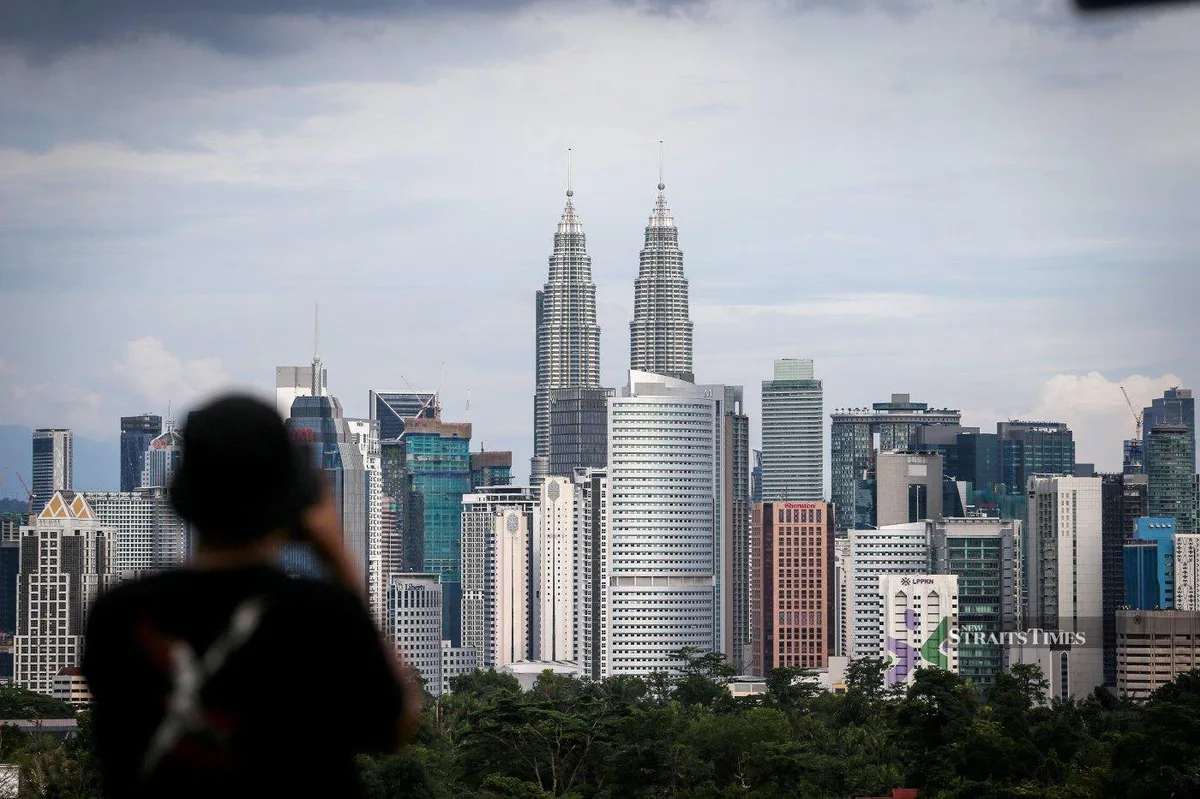
Malaysia's gross national income (GNI) per capita reached US$12,380 in 2025, the highest since independence and a jump that places the country one step from high-income nation status as defined by the World Bank Atlas method [1, 2, 3]. The country's gross domestic product (GDP) also rose to a record US$472 billion in 2025, the largest economic size since 1957 [1, 2, 3].
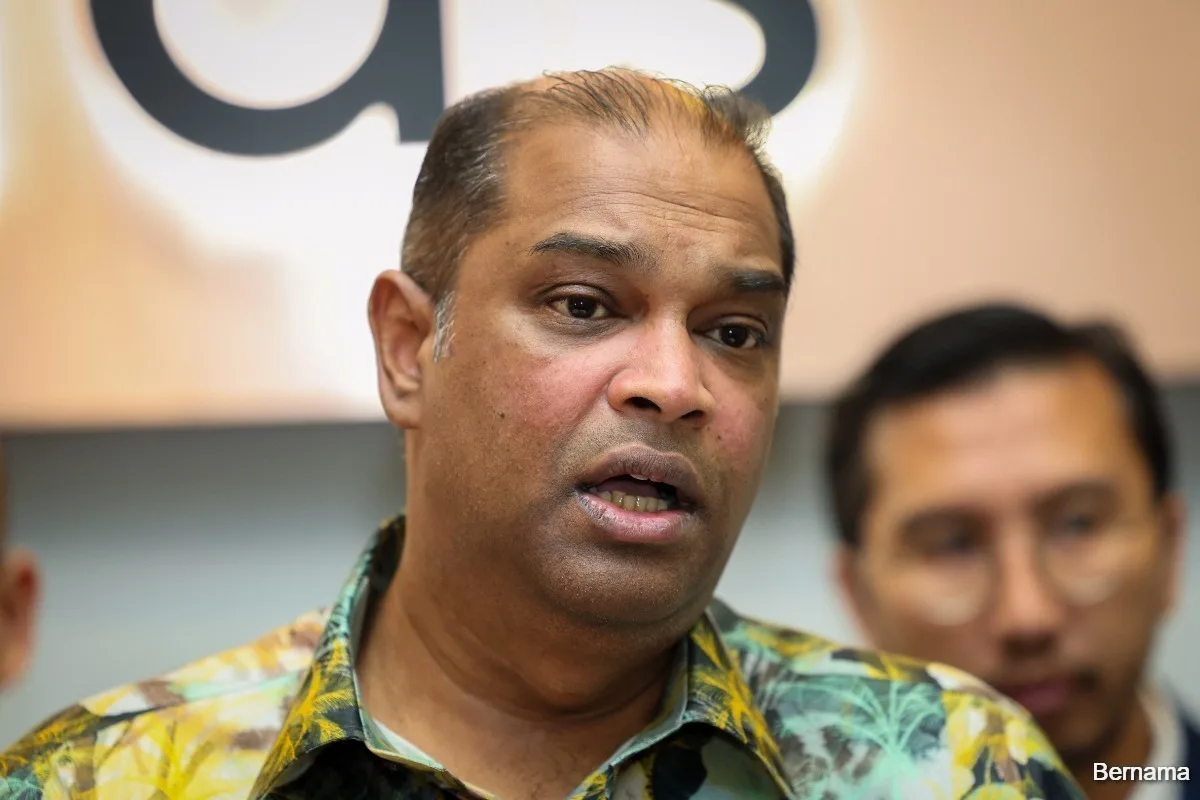
The World Bank's 2027 financial year threshold for high-income status is approximately US$14,376 according to some sources, or about US$14,000 according to another report [1, 2, 3]. Human Resources Minister Datuk Seri R. Ramanan said, "Malaysia is now just one step away from achieving high-income nation status. We are not far from our goal" [1]. However, he also cautioned that "these impressive economic figures will mean little if the opportunities and wealth created benefit only those who are already well-off while others remain spectators" [2].
In the first half of 2026, Penang collected RM129.72 million in training levies from employers, with RM113.74 million reinvested into workforce training programs, totaling 125,398 courses supported to upskill about 445,792 employees from more than 8,000 registered employers [1, 2, 3]. Datuk Seri Ramanan emphasized, "I have always stressed that every sen of the levy entrusted by employers must be managed with the utmost integrity" [3].
Governance and portfolio recovery efforts in the first half of 2026 helped retrieve RM437.3 million in funds, strengthening fiscal discipline [1, 3]. Malaysia's economy grew 5.8% in Q2 2026, marking one of the strongest performances across ASEAN [2]. Foreign investment levels in 2025 reached the country's second-highest on record, according to the World Investment Report 2026 [2].
The National Training Week 2026 took place on July 25 at Universiti Teknologi MARA (UiTM) Permatang Pauh, officiated by Prime Minister Anwar Ibrahim, with Human Resources Minister Ramanan delivering speeches highlighting Malaysia's economic progress and workforce development goals [1, 2, 3].