Malaysia's consumer price index (CPI) inflation rate fell to 1.9% year-on-year in June 2026 from 2.0% in May, according to data released by the Department of Statistics Malaysia and economists on July 17 [1, 2, 3, 4].
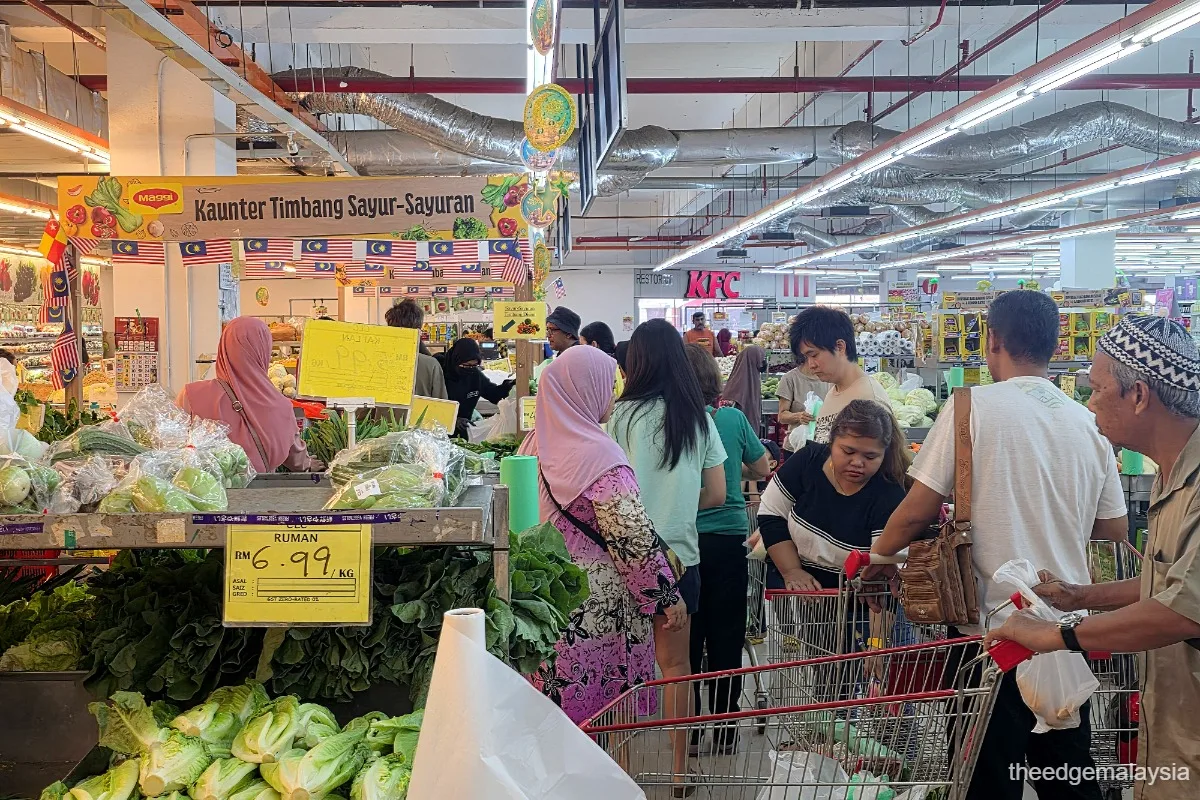
Transport inflation moderated significantly to 2.8% in June from 3.8% in May. This reduction was mainly due to lower inflation in public transport and private transport equipment operation costs [1, 3, 4]. Meanwhile, food and beverage prices continued a steady rise with inflation at 1.4% in June [1, 2, 3].
Prices increased for 65.1% of goods monitored by the official index, totaling 373 out of 573 items, with most price rises staying under 10% [3]. Inflation also rose in some service sectors, including insurance and financial services at 5.7%, restaurants and accommodation at 2.6%, and information and communication at 2.4% in June [3].
Seven states recorded inflation above the national average of 1.9% last month. Pahang led with 2.6%, followed by Johor and Negeri Sembilan at 2.5% each. Labuan, Kuala Lumpur, Kedah, and Putrajaya each saw inflation rates between 2.0% and 2.3% [3].
Economists from RHB Research and Kenanga Research maintain a 2026 inflation forecast for Malaysia of 2.1%. RHB Research noted that while producer prices are rising across major sectors, domestic policies and stable demand should keep inflation contained. They said, "Recent data indicate a broad-based increase in producer prices across major sectors, suggesting that upstream cost pressures are gradually building," but added, "domestic policy measures, stable demand conditions and a gradual pass-through to consumer prices should help keep inflation contained" [2].
Prime Minister Datuk Seri Anwar Ibrahim welcomed the easing inflation, saying, "Alhamdulilah, Alhamdulilah." He noted consumer price growth remains relatively contained amid a challenging global environment [4].
The easing inflation partly reflects lower fuel prices and transport cost reductions. However, economists warn that geopolitical risks such as ongoing US-Iran tensions could raise oil prices and inflation risks in the coming months [2].
The next official inflation update will feature July 2026 data, expected from the Department of Statistics Malaysia in mid-August.