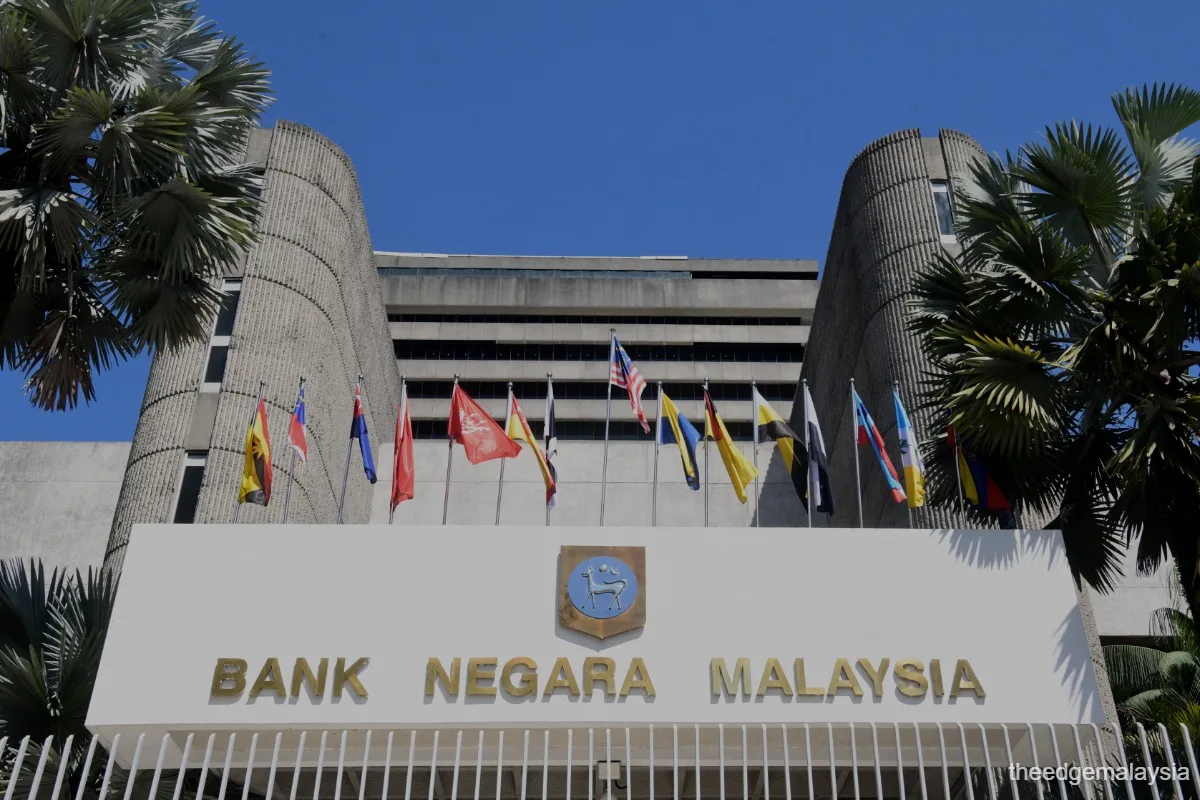
Malaysia's international reserves rose to US$130.6 billion as of May 29, 2026, up US$1.1 billion from US$129.5 billion recorded on May 15, 2026 [1, 2, 3, 4]. This level marks the strongest reserves since June 2014 [1, 2, 3, 4].
The reserves can finance 4.6 months of imports of goods and services and cover 0.9 times the country's short-term external debt, which includes debts maturing within a year primarily from foreign currency liquidity operations by resident banks and multinational company borrowings [1, 2, 3, 4]. These external debts are typically met through the companies' own assets and do not impose claims on central bank reserves [1].
Malaysia's foreign currency reserves edged up slightly to US$114.7 billion as of May 29, from US$113.8 billion as of May 15, 2026 [1, 2]. Other reserve components remained stable, with the IMF reserve position steady at US$1.3 billion, Special Drawing Rights (SDRs) unchanged at US$5.9 billion, gold holdings at US$6.4 billion, and other reserve assets at US$2.3 billion [1, 2].
Bank Negara Malaysia releases international reserves data every two weeks, providing regular updates on the country's external financial position [1]. The next report is scheduled in mid-June 2026.