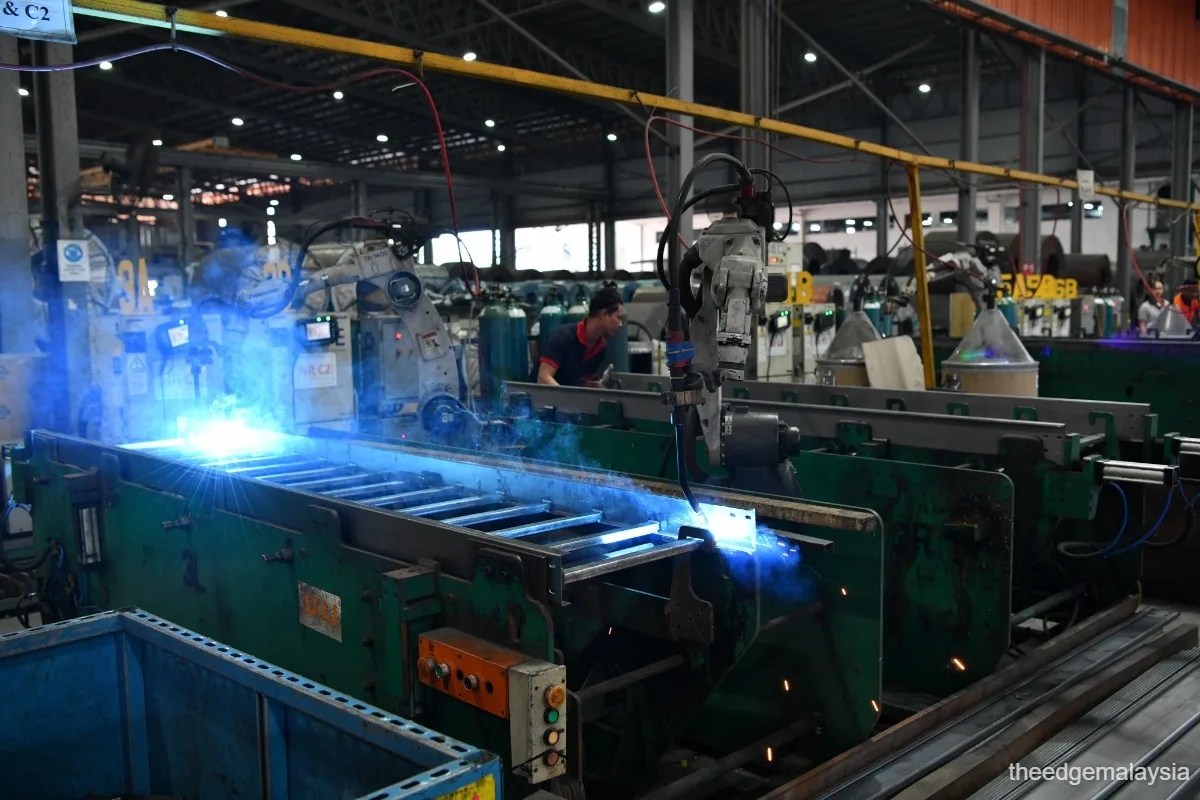
Malaysia's manufacturing Purchasing Managers' Index (PMI) fell to 50.2 in August 2026 from 50.7 in July, marking the weakest expansion in a three-month sequence but remaining above the 50 threshold that separates growth from contraction, S&P Global reported [1]. New order growth slowed over the month, "contributing to a renewed moderation in manufacturing production," the report said [1]. Some manufacturers cited weak market demand, shortages of materials, and economic challenges as reasons for slower output [1].
Despite this, Malaysian manufacturers increased staffing levels in August for the first time in five months, hiring both full- and part-time workers [1]. Purchasing activity and inventories declined after months of accumulation, as firms drew down existing stock and noted high raw material costs and sufficient stockholdings as factors for reducing purchases [1].
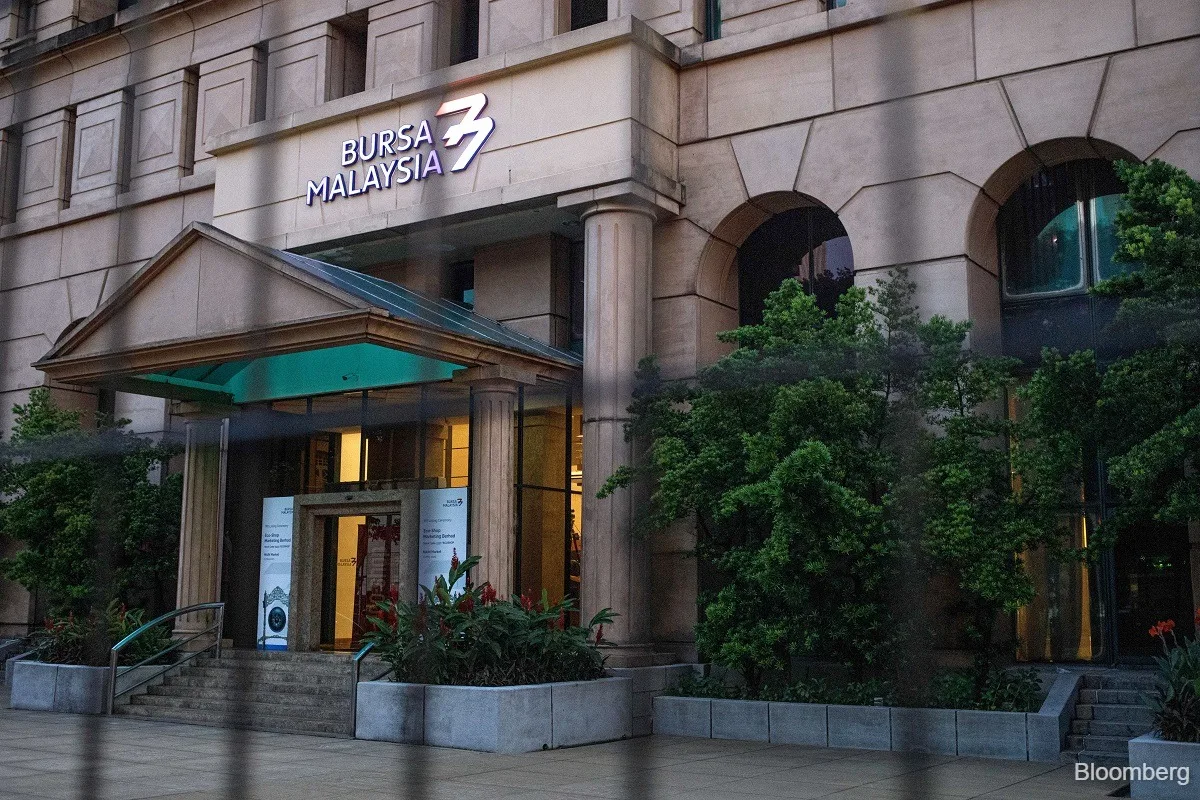
On the financial markets front, energy stocks in Malaysia rallied on September 1 following turmoil in the Middle East that lifted global oil price outlooks. Hengyuan Refining shares surged 21.54%, while the Bursa Malaysia Energy Index rose 1.25% [2, 3]. TA Securities raised its Brent crude oil price forecast for 2026 to US$90 per barrel, with potential to exceed US$100 if regional conflict disrupts supply [2, 3].
Meanwhile, shares of Tenaga Nasional slipped to a six-month low of RM13.78 on September 1 amid a third consecutive day of losses after earnings disappointed market expectations [4, 5]. However, 21 of 22 analysts tracked by Bloomberg recommend a "buy" rating on the stock, with a consensus 12-month target price of RM16.66 [4, 5]. Tenaga is bidding to build a 700MW gas-fired power plant in Connaught Bridge, a project that could add about 2% to its target price if awarded [4, 5].
On September 2, Tenaga signed a memorandum of understanding to potentially supply 1.5GW of on-site power generation to the DayOne Data Centre in Selangor under the Corporate Renewable Energy Supply Scheme (CRESS). This deal could contribute RM448 million—8% of Tenaga's projected 2028 earnings [6, 7]. Tenaga also signed a 21-year CRESS agreement to supply renewable energy to DayOne from a 595MW hybrid hydro floating solar plant in Terengganu, expected to contribute 3% of 2028 net profit [6, 7].
Inari Amertron's share price reached a 20-month high of RM2.74 on September 1, rising about 7% amid optimism over its earnings recovery driven by radio-frequency chip demand and fiber optics business expansion [8, 9]. Inari's capacity utilization reached roughly 85%, higher than the prior forecast of 75%, with photonics business growth expected as chip fabrication capacity doubles in fiscal year 2027 [8, 9].
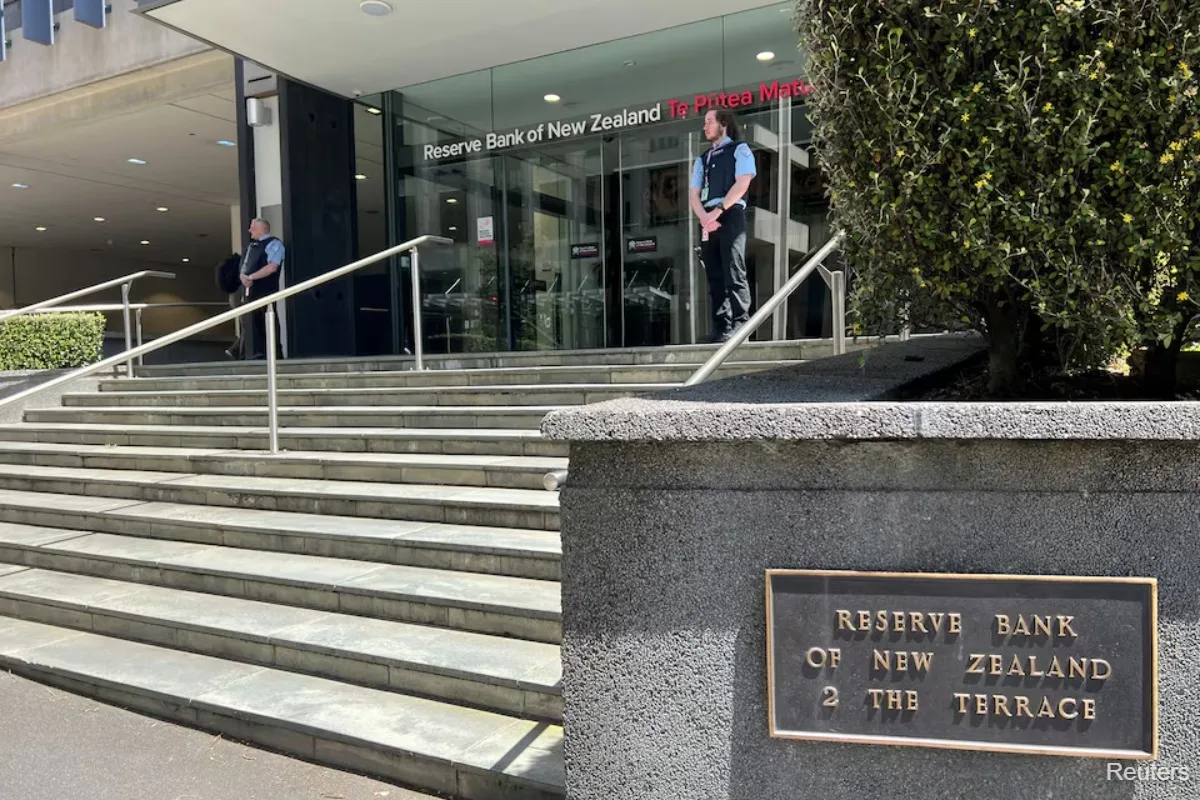
Elsewhere in the region, South Korea's consumer inflation rose 3.1% year-on-year in August 2026, slightly below expectations and influenced by a one-off 26.7% jump in mobile service fees in August 2025 [10]. The Reserve Bank of New Zealand raised its official cash rate by 25 basis points to 2.75% on September 2, signaling gradual monetary tightening amid downside risks to the economy [11]. The central bank said, "gradually removing monetary stimulus is appropriate to return inflation to the 2% target mid-point while supporting growth and employment" [11].
Australia's economy grew 0.4% quarter-on-quarter in Q2 2026, slightly above forecasts but slower than the previous period. Elevated fuel prices and borrowing costs affected household spending, and inflation remained above target, according to ABS head Grace Kim [12].
The next scheduled events include Malaysia's September manufacturing PMI release and ongoing evaluations of Tenaga's gas-fired power plant bid.