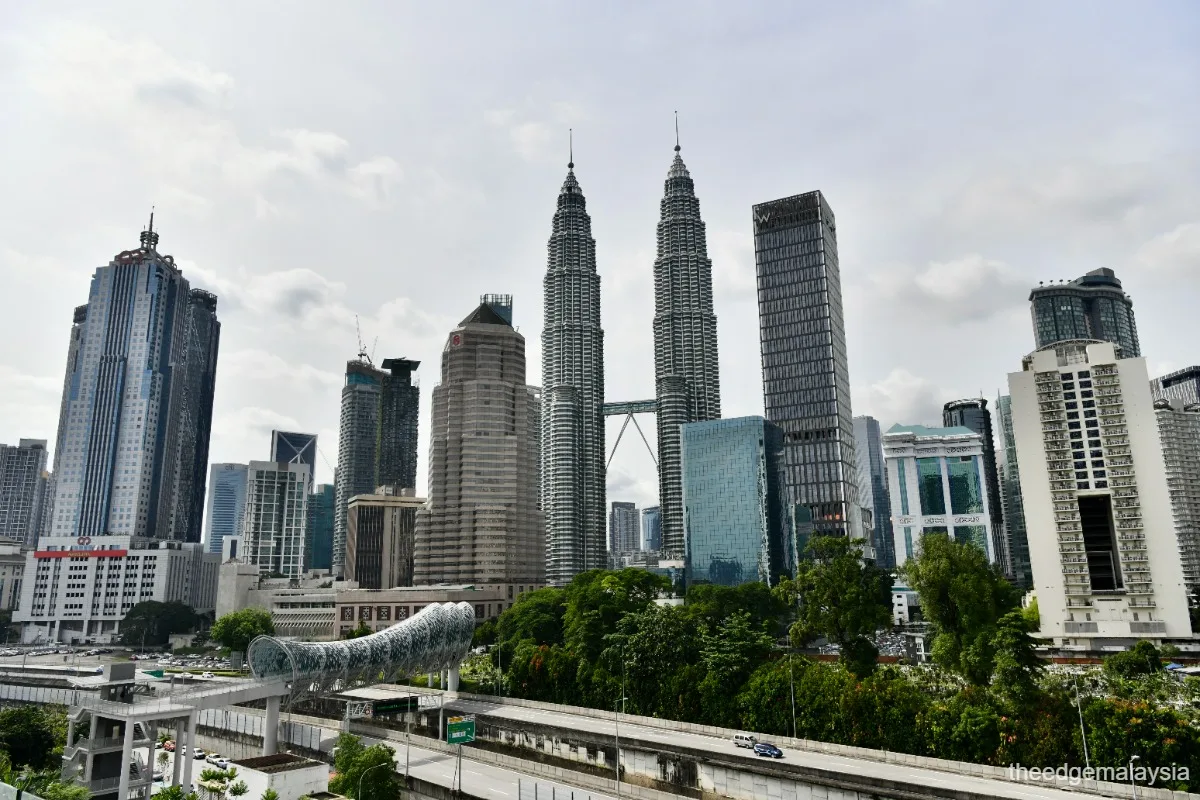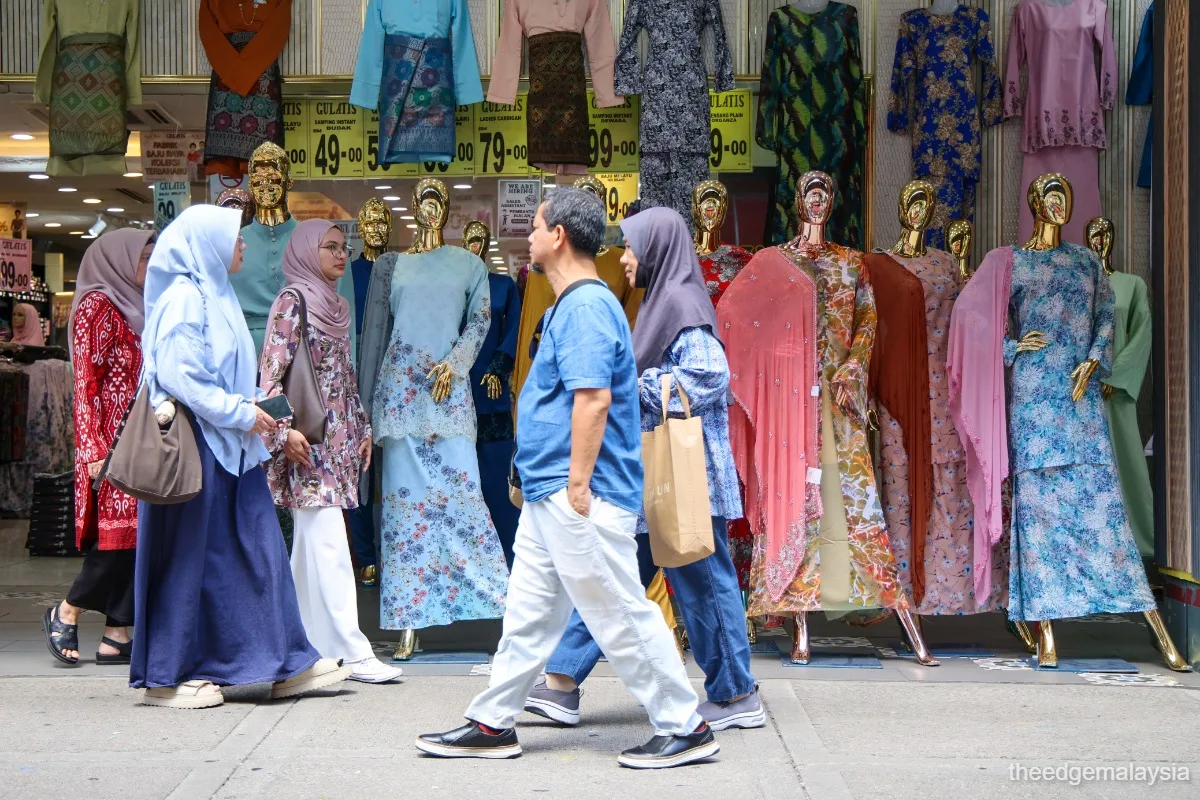
Malaysia's economy expanded 5.4% year-on-year in the first quarter of 2026, down from 6.2% growth in the previous quarter, the government reported this month [1, 2, 3, 4, 5]. On a seasonally-adjusted quarter-on-quarter basis, the economy contracted marginally, marking a slight pullback after strong gains in late 2025 [1, 3].
The growth slowdown was driven mainly by softer private consumption, which rose 4.7% compared to higher rates before, and a deceleration in private investment to 7.8% year-on-year [1, 3]. Public consumption and investment increased 4.1% and 5.3% respectively, helping to support overall activity despite weaker private sector momentum [1, 3].
Net exports rebounded significantly, climbing 13.5% year-on-year as export growth outpaced import demand, bolstered by Malaysia's diversified export base and resilient electrical and electronic goods sector [1, 3, 5]. Manufacturing growth slowed to 5.9%, largely due to export-oriented industries like electrical products, while the services sector grew 5.6% but at a slower pace than the 6.2% seen in the last quarter of 2025 [1, 3].
The mining sector contracted 2.1%, affected by declines in crude oil and natural gas output, while construction growth slowed to 7.7% year-on-year [1, 3]. Bank Negara Malaysia governor Datuk Seri Abdul Rasheed Ghaffour noted that "the impact of Middle East tensions on Malaysia remains contained," although rising global risks are expected to exert pressure in the second half of the year [1].
Economists from institutions such as Kenanga Investment Bank and UOB Global Economics & Market Research warn that supply shocks, volatile energy prices, and geopolitical tensions could weigh on household purchasing power and consumer sentiment in the latter half of 2026 [5]. Kenanga stated the external environment is more challenging due to "higher-for-longer global interest rates, slower global growth, geopolitical tensions, tariff frictions and volatile commodity prices," but expects the economic drag to remain manageable [5].
Labour market indicators remain strong, with unemployment at its lowest level since 2014 and labour force participation reaching a record 70.9% [6]. However, wage growth has lagged behind GDP growth since 2010, with real median wages rising about 43% between 2010 and 2024, roughly half the pace of economic expansion [6]. Wage gains have been weakest among middle-income earners, with some states like Kelantan showing median monthly wages only marginally above the national minimum of RM1,700 [6]. The World Bank's Dr Matthew Dornan said, "So by the standard measures, the labour market is at its healthiest in over a decade. And yet, there’s really that tension between a labour market that looks healthy and one that feels inadequate" [6].
Reports released mid-May from the World Bank and Malaysian government bodies emphasized the need to focus on job productivity, skill matching, and wage growth to meet Malaysia's high-income goals [6, 1, 5]. The government and economic forecasters maintain 2026 GDP growth expectations within the official 4.0%-5.0% range despite the strong first quarter performance [1, 5].