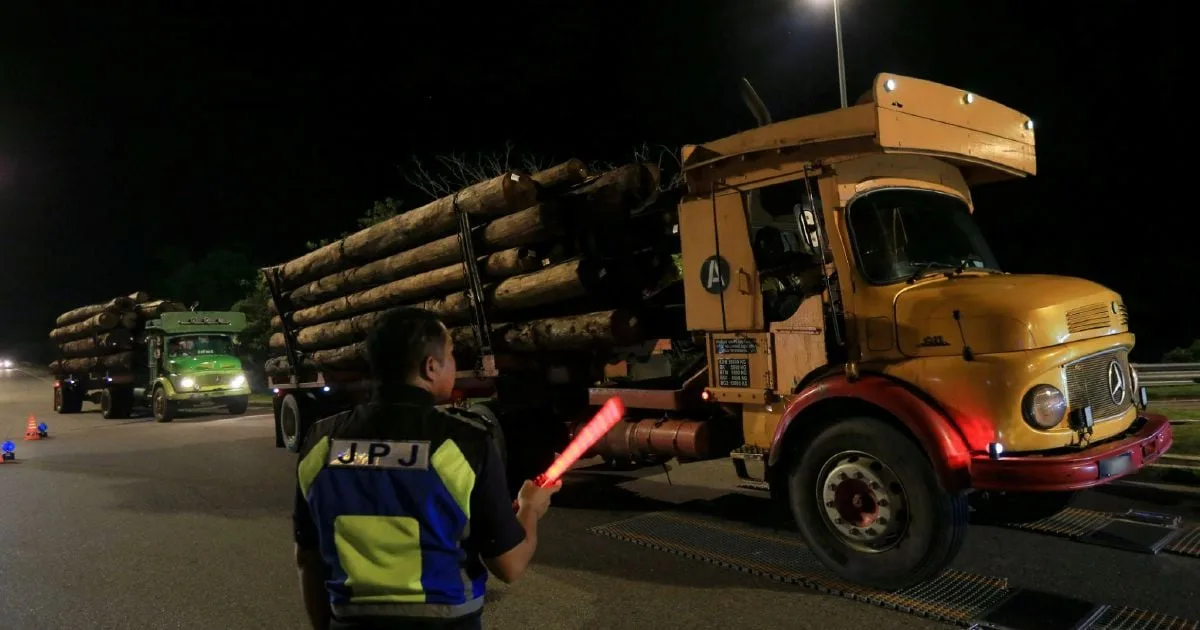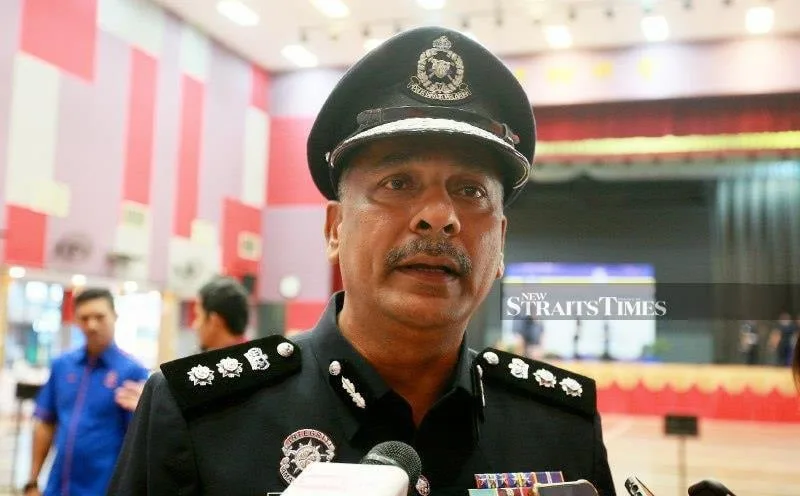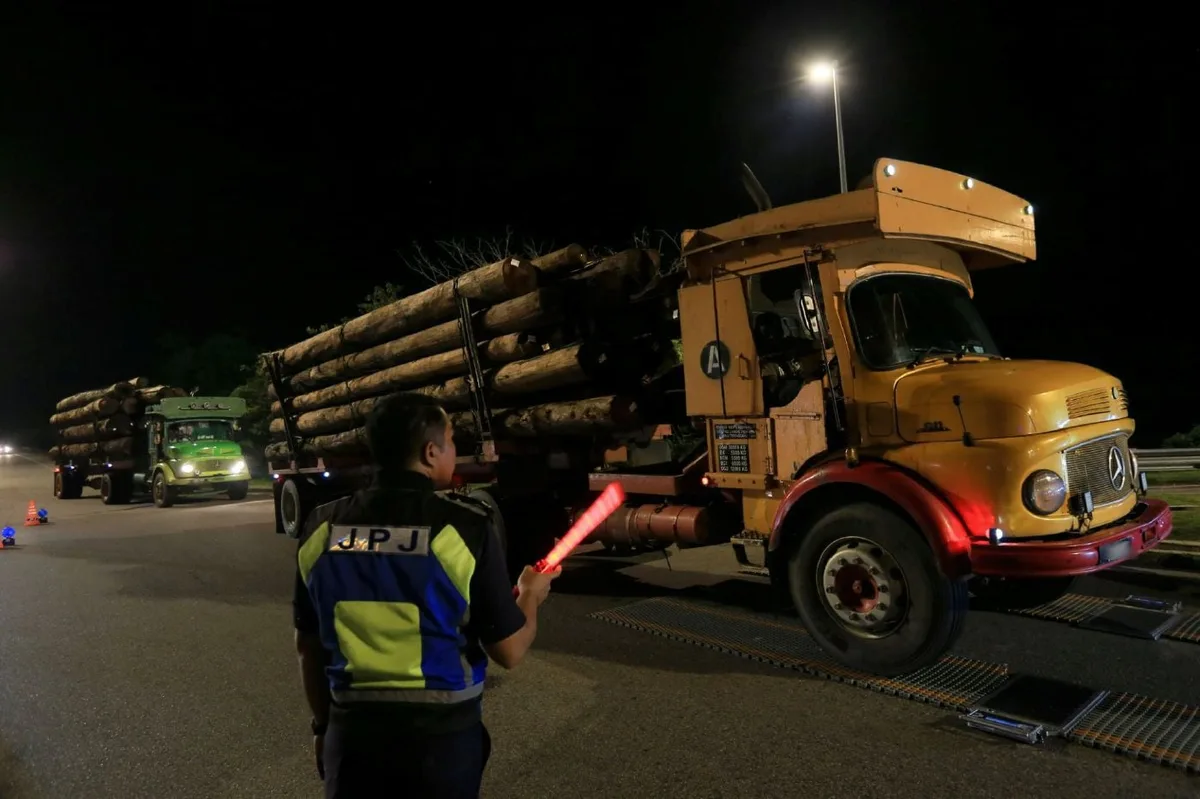
Malaysia’s Road Transport Department (JPJ) has stepped up efforts to combat overloaded lorries that rely on networks of 'tonto' (tout) groups to avoid detection, especially in Rawang, Selayang, Gombak and the Klang Valley [1, 2]. These tonto groups use stickers linked to middlemen, and they monitor enforcement officers’ locations in real-time through communication devices. JPJ Senior Enforcement Director Datuk Muhammad Kifli Ma Hassan said, "The group would tail JPJ officers once they go out for operations before relaying real-time location information to lorries carrying specific stickers" [2].
These lorries often evade checks by lying low or taking back roads. Datuk Muhammad added, "These lorries were also found to be using back roads to avoid detection and enforcement action" [2]. To tackle the tactics of the tonto groups, JPJ is intensifying nationwide enforcement through undercover operations and covert surveillance, aiming to reduce the effectiveness of such evasion [1, 2].
Since 2024, JPJ has inspected 2,580,954 commercial vehicles and taken 415,846 actions against offences including overloading and permit violations as of April 2026 [2]. Enforcement notices to commercial vehicles have risen from 45,986 in 2024 to 57,174 in 2025, with another 14,885 issued in the first four months of 2026 [2].
JPJ has seized 753 lorries for permit violations and related offences, with the highest seizures recorded in Penang (133), Selangor (125), and Pahang (101) [2]. Datuk Muhammad warned truck operators against engaging with tonto groups, emphasizing strict enforcement [1, 2].
JPJ plans to share intelligence on the tonto networks with the Malaysian Anti-Corruption Commission (MACC) to enable joint action against these groups [2]. As part of ongoing efforts, Datuk Muhammad said, "JPJ will continue special operations on commercial vehicles nationwide to curb overloading, permit violations and technical non-compliance" [2].
On May 20, 2026, Datuk Muhammad publicly revealed the tactics used by tonto groups during a press conference in Gombak, signaling further transparency in enforcement operations [2].