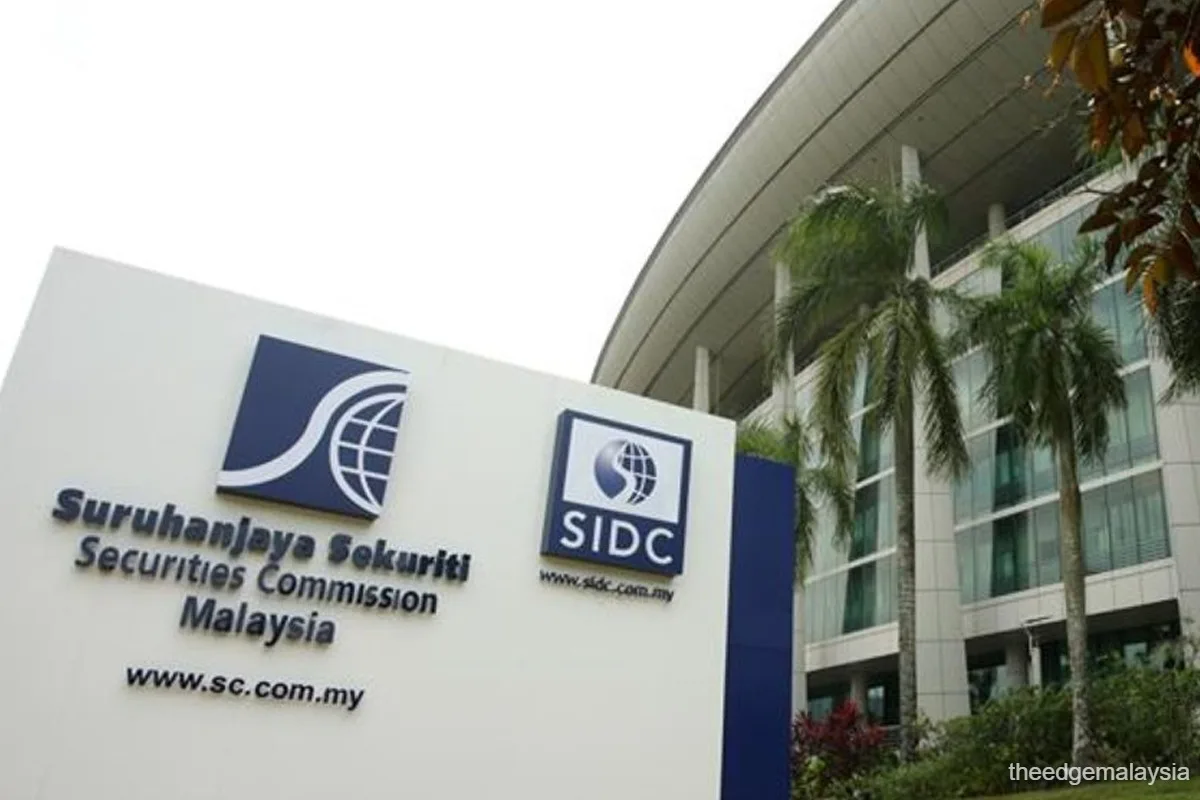
The Securities Commission of Malaysia (SC) unveiled enhanced Guidelines on Recognized Markets for digital asset exchanges (DAX) to strengthen oversight and investor protections, effective May 20, 2026 [1]. The revised framework aims to improve the competitiveness of licensed DAX operators and accelerate product launches by streamlining approval processes [1, 2].
Stricter requirements on governance, accountability, capital adequacy, shareholding, and management competency will apply to all DAX operators. These measures seek to enhance financial stability and operational resilience in Malaysia’s digital asset market [1, 2]. As part of the reforms, all licensed DAX operators will be required to become members of the Financial Markets Ombudsman Service starting in 2026. This will provide investors with access to formal dispute resolution channels [1, 2].
The SC has taken administrative action against four digital asset exchanges for operating without registration [1, 2]. Since April 14, 2026, the Commission has worked with technology firms such as Google to block advertising of unregistered digital asset exchanges on social media and other online platforms accessible by Malaysians [1, 2].
SC chairman Datuk Mohammad Faiz Azmi highlighted the need for credible and resilient partners within Malaysia’s financial ecosystem. He said, "Our enhanced guideline demands resilient and credible partners within Malaysia’s financial market ecosystem. As the market grows more inclusive and innovative, it must be balanced with the highest standards of governance" [1, 2].
The updated guidelines align with Malaysia’s Capital Market Masterplan 2026–2030, which targets expanding the capital market size to between RM5.8 trillion and RM6.3 trillion by 2030. The SC aims to support the growth of institutional participation in the digital asset space [2].