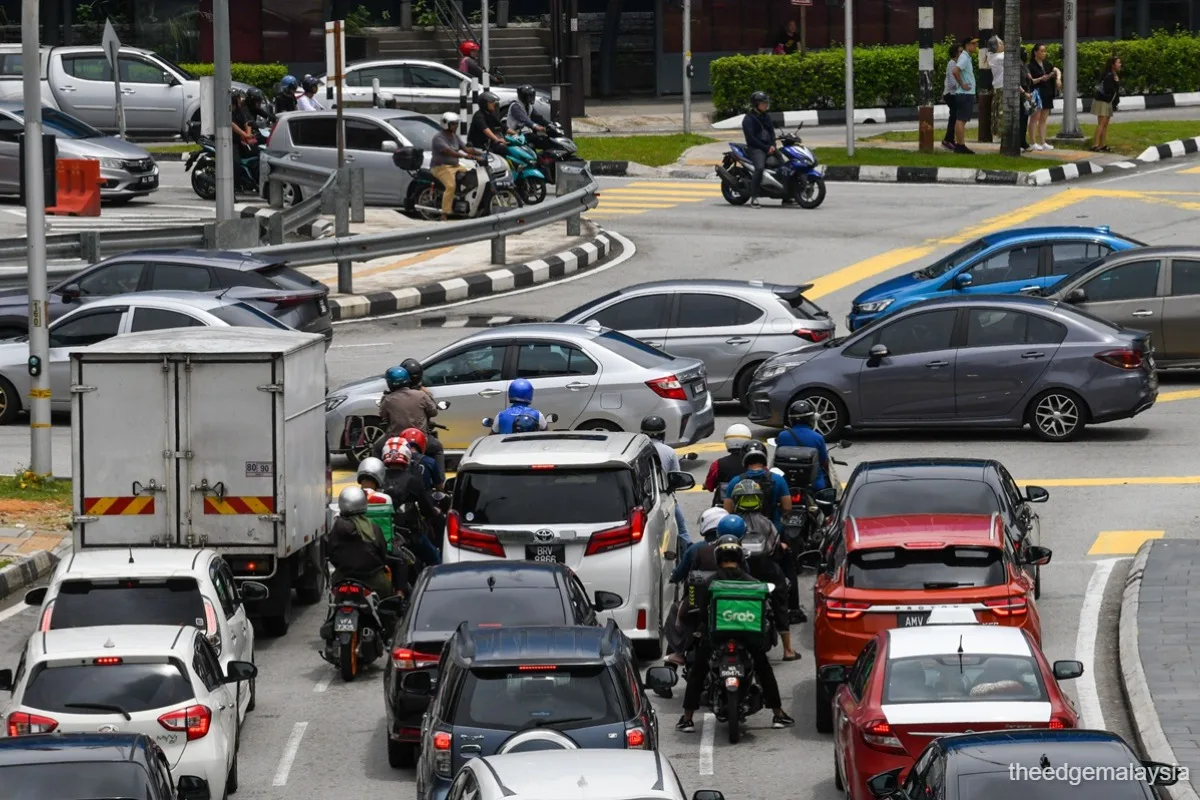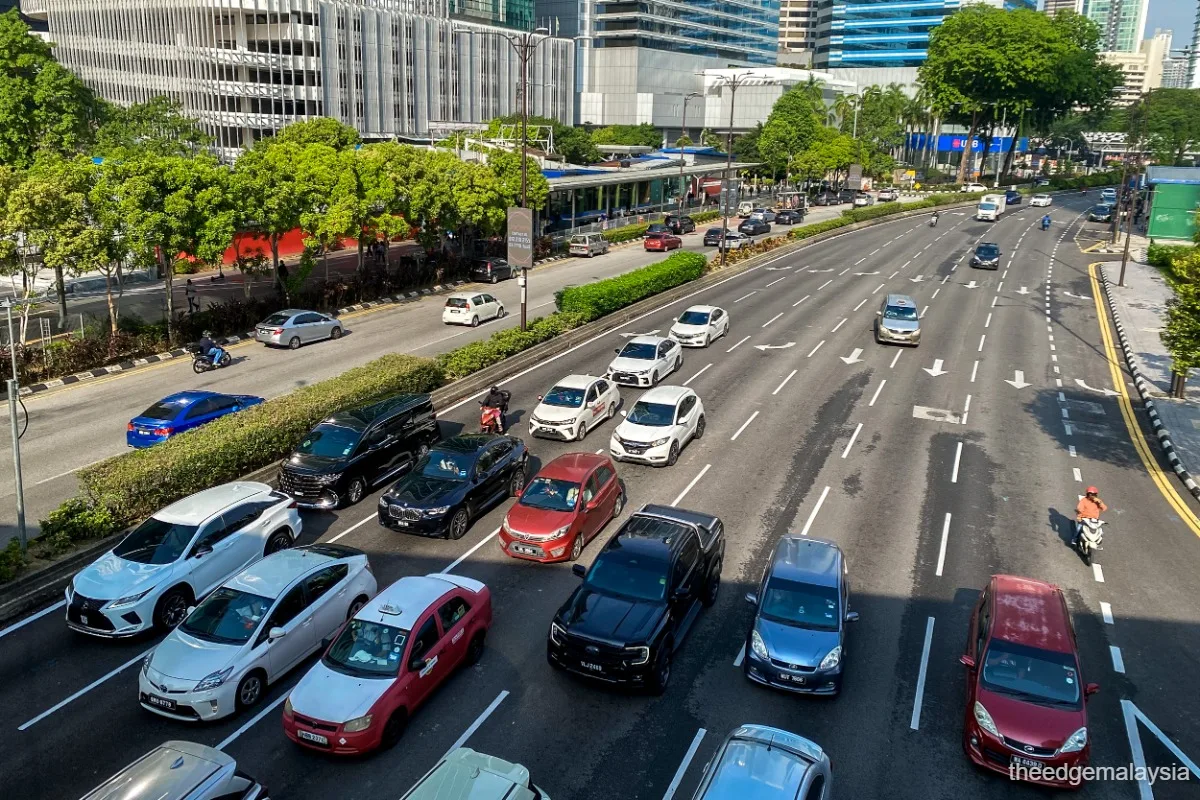
Malaysia’s total automotive industry volume (TIV) rose 14% month-on-month to 72,113 units in April 2026, marking a 17% increase compared to April 2025, according to industry data [1, 2]. Passenger vehicle sales led the growth with a 19% rise to 67,893 units, though commercial vehicle sales fell 8% to 4,220 units in the same period [2]. Automotive production increased 25% year-on-year in April to 70,611 units, but cumulative production for January to April 2026 was down 2% from the same period last year [1, 2]. Sales from January to April rose 2% year-on-year to 254,318 units [1, 2].
Electric vehicle (EV) adoption in Malaysia continued its rapid rise, with registrations doubling since April 2025 to reach 5,894 units in April 2026, accounting for 7.6%, or roughly one in 13 new vehicles sold, according to government figures [3]. Since 2018, the country has accumulated 94,165 battery electric vehicles [4, 5]. The National EV Steering Committee, chaired by Deputy Prime Minister Datuk Seri Fadillah Yusof on May 20, met to push high-impact measures to strengthen Malaysia’s EV ecosystem. The deputy prime minister said Malaysia “has shown encouraging progress in EV adoption, particularly in the Battery Electric Vehicle category” [4, 5]. Local carmakers Proton and Perodua have entered the EV arena with more affordable models aiding wider adoption [3].
New EV import regulations effective July 1 will require imported EVs to meet a minimum CIF value of RM200,000 and a minimum power output of 180 kilowatts. Volt Auto CEO Soh Ming said these rules will accelerate localization efforts and reduce reliance on fully imported EVs, noting, “This is not just one company’s issue. This affects the whole industry and the whole nation’s EV ecosystem” [6].
A looming challenge includes potential disposal needs for nearly 900,000 depleted lithium-ion EV batteries by 2050 [3].
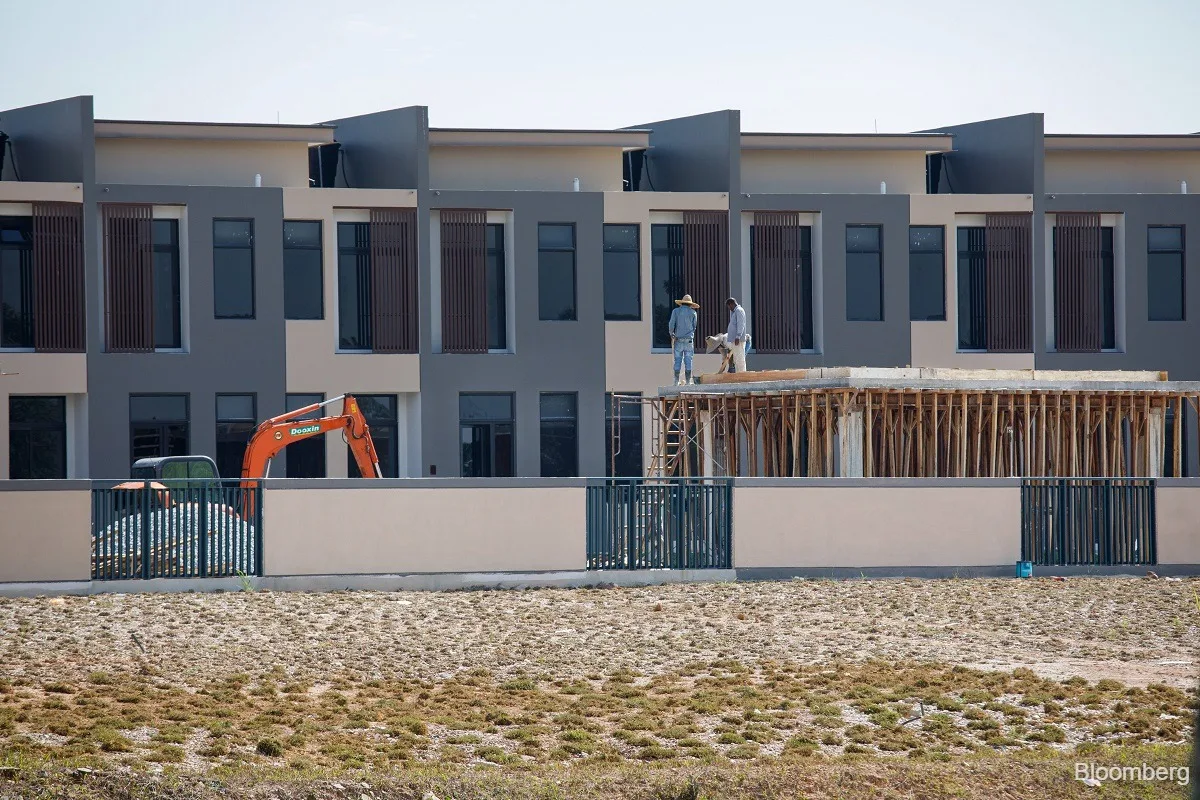
Meanwhile, rising diesel prices have driven up building material costs by 20% to 30%, pushing overall construction costs 10% to 15% higher nationwide, according to reports on May 21 [7, 8, 9, 10]. In Kelantan, house construction costs jumped from RM150–160 per square foot to RM170–180, while prices in Kuala Lumpur reached RM250–300 per square foot [7, 8, 9, 10]. Property sales in Kuala Lumpur have dropped between 30% and 50%, with contractors worried about scam syndicates undercutting prices [7, 8, 9, 10]. Dr Muhsin Abdul Ghani, president of the Malaysian Housing Contractors Association, said, “There are some customers who panic and hit the brakes, while others remain positive and continue with their construction projects. When prices go up, they usually do not come down again.” He added rising costs have pushed house prices up by 10% to 15% [7]. The contractors association plans to propose government income tax exemptions for individuals building homes to help the sector [7, 8, 9, 10].
The next major date for the automotive industry is the start of the new EV import rules on July 1, 2026, which will reshape market dynamics by enforcing minimum pricing and power output requirements [6].