Malaysia's Work From Home (WFH) initiative for civil servants has saved the government RM7,309,084 in petrol subsidies since its launch around mid-April 2026 [1, 2, 3]. The program reduced fuel consumption by 4,046,448 litres nationally over three months, according to officials [1, 2, 3]. Approximately 659,000 civil servants have participated in the WFH scheme, cutting travel-related fuel use significantly during this period [1, 2, 3].
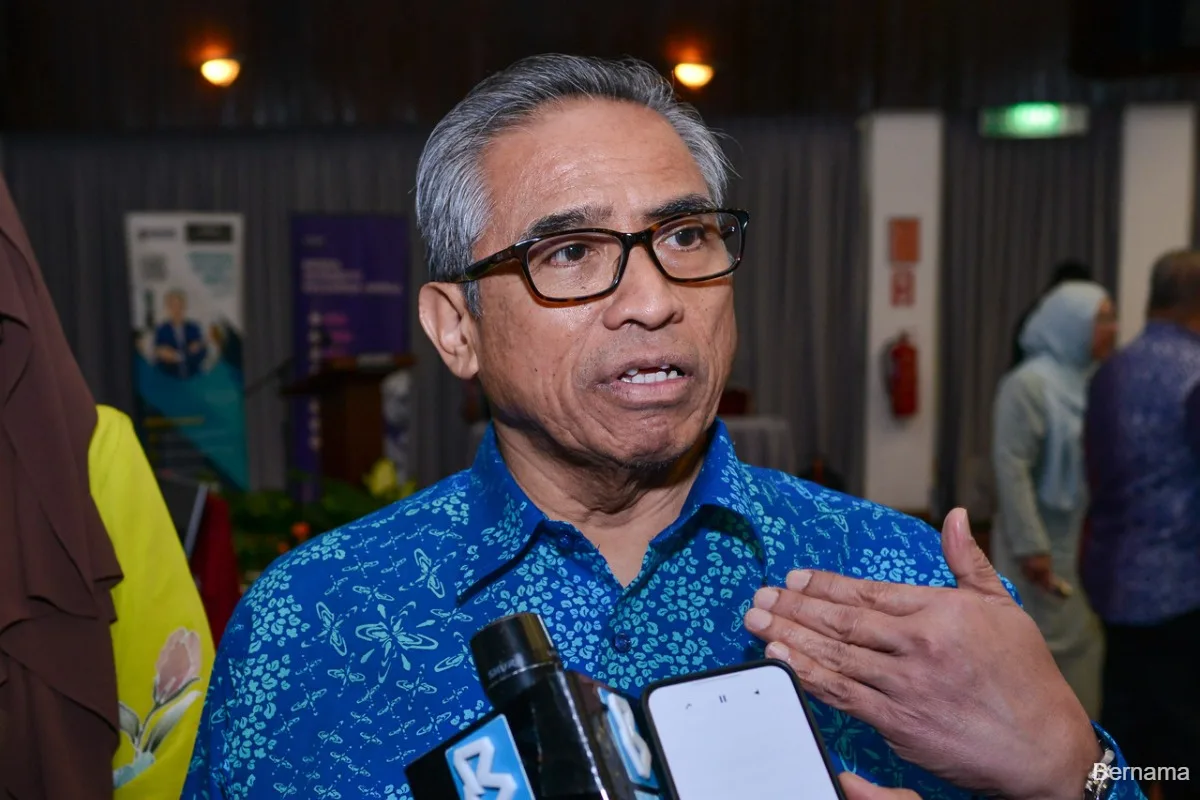
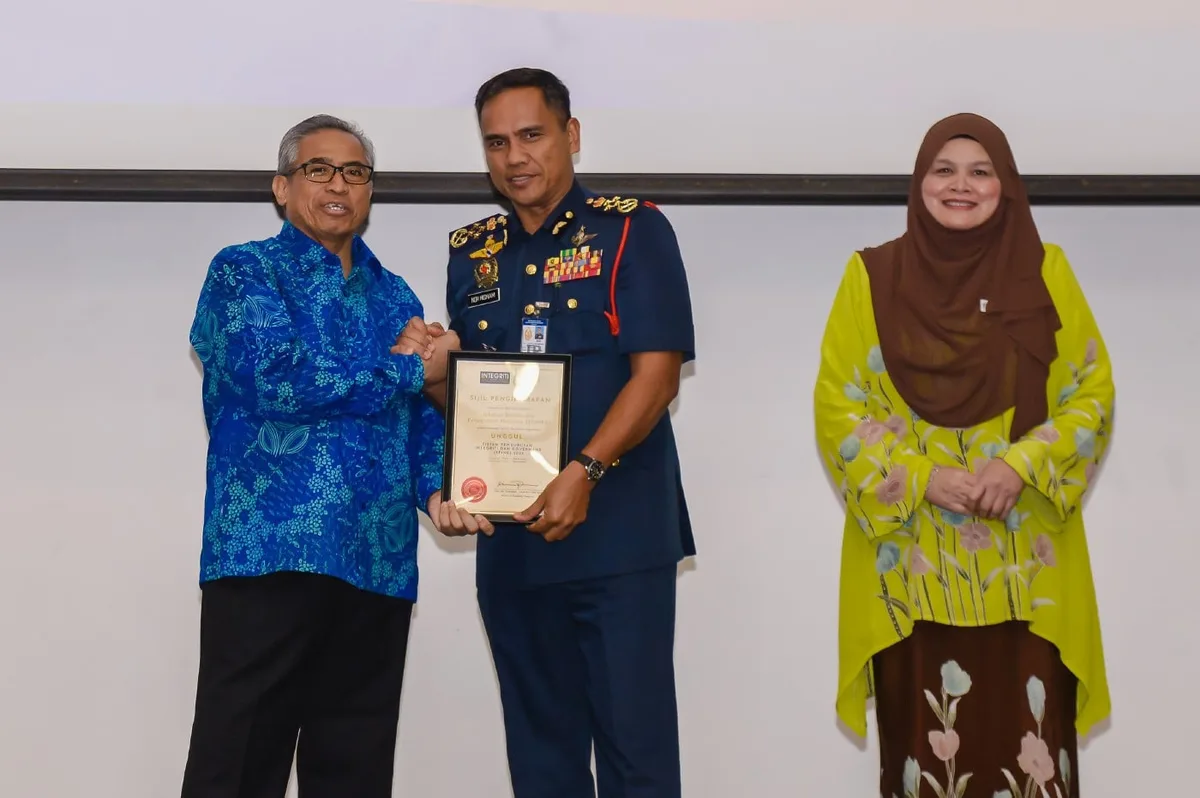
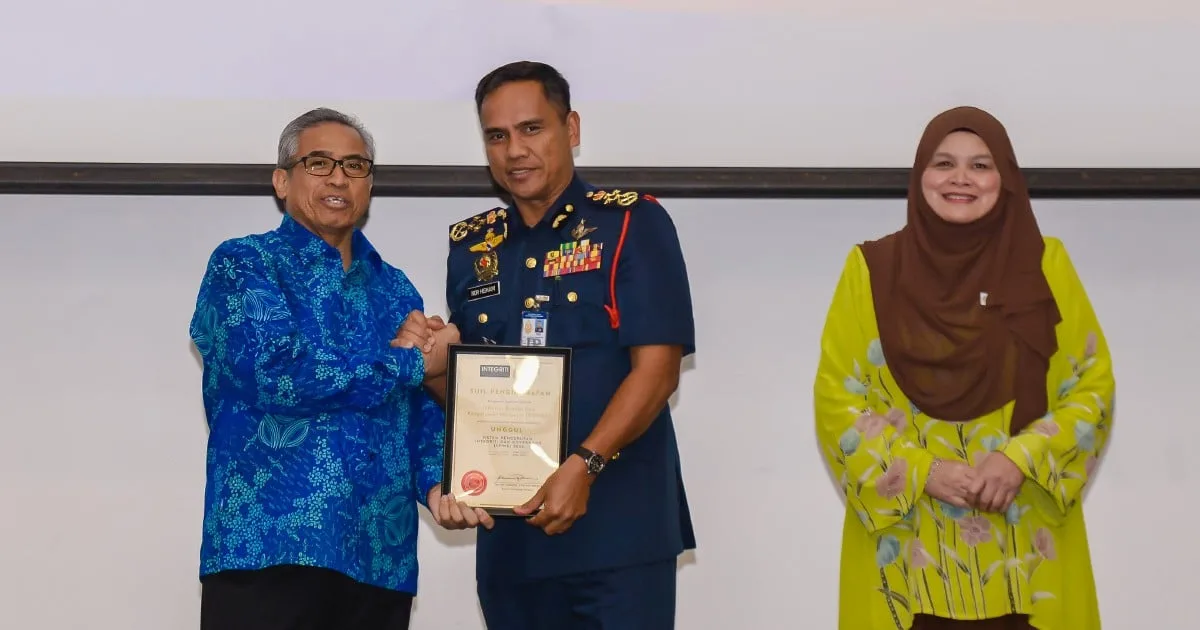
On July 14, at the Unggul Spine Certification Presentation Ceremony, the Chief Secretary to the Government announced the savings figures. Thirty-seven public sector organisations received the Unggul Spine Certification for their dedication to integrity, governance, and anti-corruption practices, with the ceremony highlighting government efficiency efforts [1, 2, 3]. As Tan Sri Shamsul Azri Abu Bakar noted, "The Unggul Spine award recognises the strong commitment of these organisations to strengthening the culture of integrity, good governance and anti-corruption practices across their departments." [3]
Starting August 1, the government introduced the Hybrid Working Day (HWD) policy for civil servants, requiring them to work three days in the office and two days remotely or from an alternative location each week [1, 2, 3]. The policy specifically prohibits scheduling hybrid workdays adjacent to weekends to prevent extended long weekends. "For example, if a civil servant is off on Saturday and Sunday, they will not be allowed to choose Monday and Friday as their hybrid working days," Tan Sri Shamsul Azri explained [2]. He also said, "Under the HWD policy, a clear flexibility formula has been established whereby civil servants are required to work in the office for three days and work remotely from home or an alternative location for two days each week." [1]
The government will continue to monitor the HWD policy's impact on productivity and cost savings as civil servants adapt to this new hybrid routine [1, 2, 3].