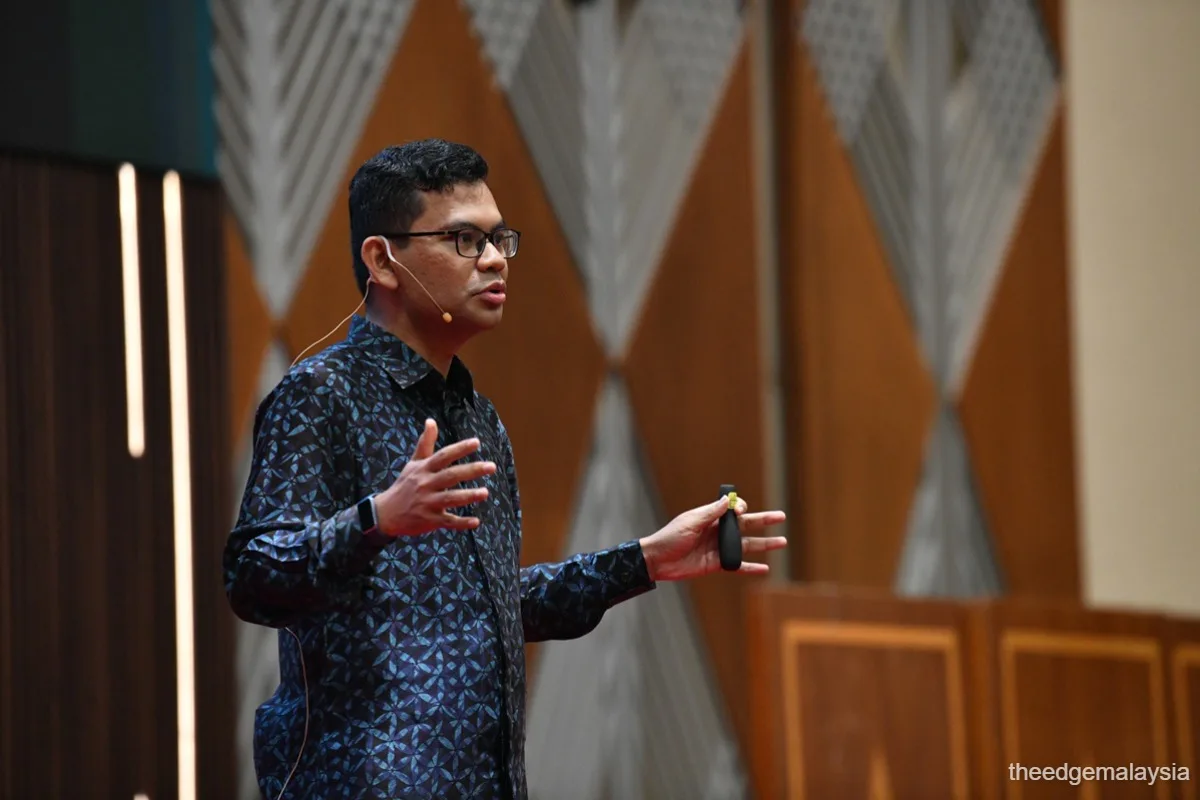
Malaysia’s government is intensifying efforts to reinforce the country’s economic structure amid a global crisis by focusing on high-value industries, energy transition, and public assistance programs, Economy Minister Akmal Nasrullah Mohd Nasir said on May 21 in Putrajaya [1, 2, 3].
The current global crisis began with pressure on oil supply before spreading to other supply chains, creating a complex impact that differs from the broad economic shutdowns seen during the Covid-19 pandemic, Nasir explained. "At the time, the focus was on ensuring spending continued because economic activity had been shut down. Now, the crisis we are facing started with pressure on oil supply before spreading to other supply chains," he said [1].
The government seeks to build long-term resilience through sustainable structural reforms rather than relying solely on incentives, Nasir added. "Previously, it was very much about incentives, with funds being channelled here and there. But right now, it’s about strengthening our resilience," he said [2].
In high-value sectors, the semiconductor industry and advanced packaging development are prioritized to anchor growth and innovation [1, 4, 2, 3].
To support household income, the People’s Income Initiative Insan programme has deployed 1,125 vending machines nationwide, helping participants collectively achieve over RM20 million in sales. More than 58% of participants earn an average monthly income exceeding RM2,000 through the programme, Nasir reported [1, 4, 2, 3]. The government is also partnering with the Federal Territories Islamic Religious Council (MAIWP) to place about 50 vending machines in mosques, surau, and educational institutions [1, 2, 3].
On energy, Malaysia will introduce biodiesel from June 1 to extend its annual diesel supply by up to 20 days. This supports the country’s energy transition goals and aims to reduce carbon emissions [4, 2, 3].
Inflation rose to 1.9% in April from 1.7% in March, driven by higher transportation costs, communications, and pay TV fees [4]. The National Economic Action Council noted manufacturing sectors such as automotive, food, chemical, and electronics face pressures from raw material shortages, logistics issues, and cash flow constraints. Small and medium enterprises are especially vulnerable [4].
Despite challenges, Malaysia reported robust economic fundamentals with 5.4% GDP growth and 2.9% unemployment in the first quarter of 2026 [4]. Total trade volume exceeded RM1 trillion during the same period, highlighting strong external demand [5].
Foreign Minister Datuk Seri Mohamad Hasan said Malaysia’s participation in Brics will strengthen its global economic position and reduce dependence on traditional financial systems. "Our agenda is to ensure that Brics countries are able to enhance and maximise their capabilities so that they are not left behind, especially in the post-Covid-19 period," he said. "We no longer want to be overly dependent on a single system," Hasan added [5]. The government is also expanding local currency use in trade with ASEAN neighbours to lessen reliance on third-party currencies and boost regional commerce [5].
The biodiesel rollout, scheduled for June 1, marks the next step in Malaysia’s push for energy sustainability during ongoing global economic challenges [4, 2, 3].