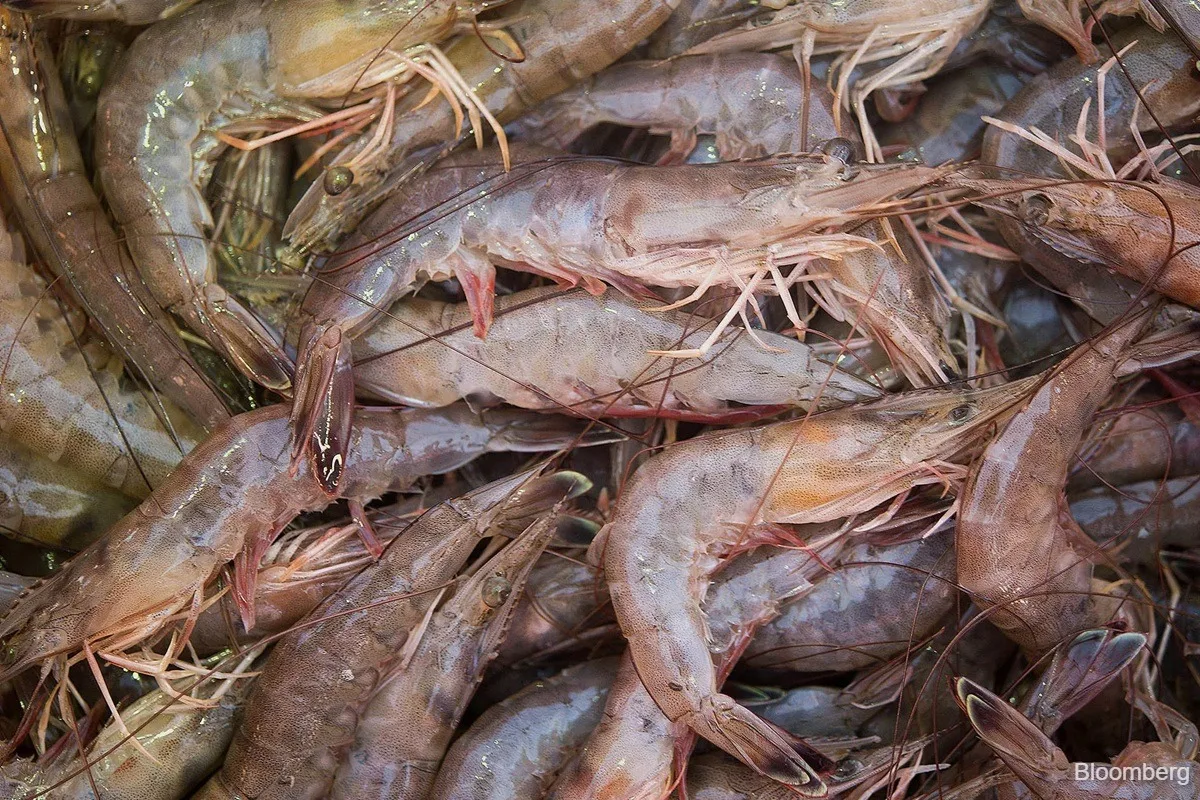
Malaysia suspended imports of five Thai shrimp species starting June 1, 2026, cutting off a market worth over US$10 million annually for Thai exporters [1, 2]. The suspension affects roughly 20% of Thailand's seafood exports, as the shrimp industry constitutes a significant share of the sector [1, 2].
The suspension followed increased testing in May 2026 by Thailand of Malaysian seabass shipments at a major border crossing. Thai authorities detected chemical and antibiotic residues in these shipments, which slowed customs clearance [1, 2].
In the first four months of 2026, Thailand exported more than US$5 million worth of shrimp to Malaysia [1, 2]. The tightening of trade restrictions threatens this steady flow.
Thai Deputy Prime Minister and Commerce Minister Suphajee Suthumpun said on June 10 that "I believe we can resolve this issue together and resume Thai shrimp exports to Malaysia. Both sides benefit from trade, so there should be a path toward a solution" [1]. Thai Agriculture Minister Suriya Jungrungreangkit also expressed willingness to travel to Malaysia to seek a resolution [1, 2].
Malaysian Deputy Agriculture and Food Security Minister Chan Foong Hin said the restrictions were announced in May and took effect on June 1, giving exporters about two weeks to adjust [1, 2]. He emphasized Malaysia's ongoing commitment to dialogue and cooperation, stating "Malaysia has maintained an open and constructive approach" [1, 2].
The dispute is ongoing, with Thailand considering escalating the matter to ASEAN or the World Trade Organization if bilateral talks fail, according to Suphajee [1, 2].
The two sides continue to seek a resolution as trade impacts and border inspection issues remain unresolved.