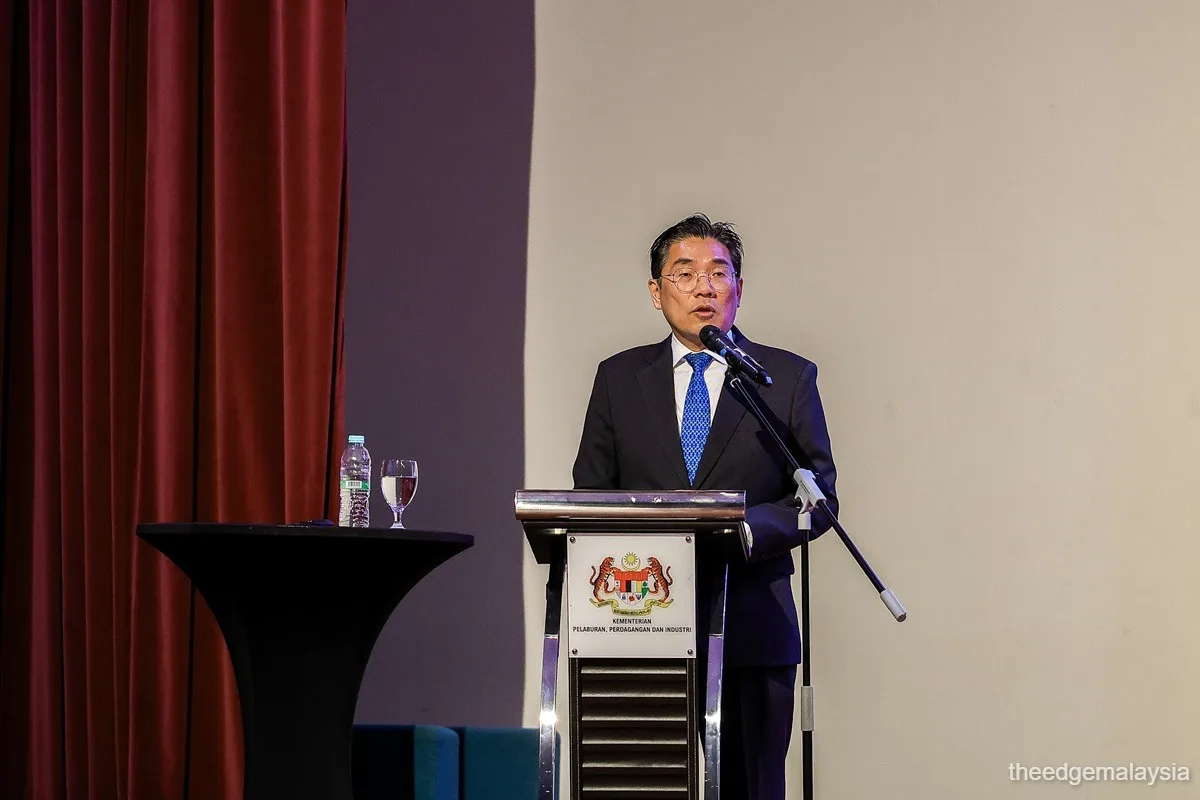
Malaysia aims to achieve high-income country status within the next two to three years, Deputy Investment, Trade and Industry Minister Sim Tze Tzin said today, emphasizing the need for unity and hard work among citizens [1, 2]. Currently classified as an upper middle-income nation, Malaysia’s economic shift is powered by rapid growth in its technology sector.
Trade figures for the first half of 2026 showed a 22.4% increase to RM1.79 trillion, with exports rising 27.5% to RM971.6 billion and imports standing at RM824.44 billion. This resulted in a trade surplus of RM147.15 billion, marking robust economic activity [1, 2]. June 2026 alone set a new record for monthly trade value at RM340.88 billion, the highest in Malaysia’s history [1, 2].
More than half of Malaysia’s exports during this period came from technology-based products. Electrical and electronic products, including semiconductors, made up 42.5% of exports, while machinery and equipment accounted for 12.6% [1, 2]. ‘‘We’re slowly moving towards becoming a technological country, with E&E, machines, and high-tech products accounting for more than half of our total exports. So this is a success story for Malaysia,’’ Sim said [2].
The country’s nearly 70 years of independence have seen its economy transition from traditional sectors to growing technological capabilities. This transformation is a key driver of its improved trade performance and economic outlook [1, 2].
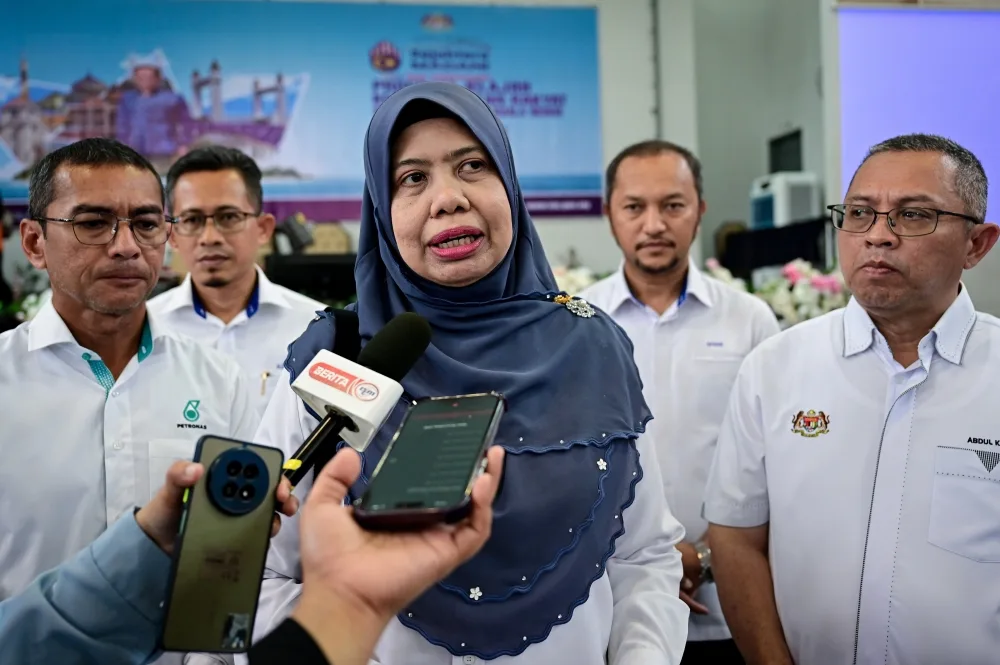
Separately, the federal government aims to reduce poor households in the state of Terengganu from 24,100 as of August 13 to 20,000 by December 2026 through poverty alleviation programs. Deputy Minister Datuk Norashiken Ishak highlighted that 310 Rumah Kasih Ihsan projects—housing refurbishments and new builds—have been implemented with RM18.44 million in allocations [3]. ‘‘InsyaAllah, we will continue this effort and contribution, and it is also the commitment of the Madani Government to ensure the well-being of the people,’’ she said [3].
Meanwhile, Malaysia’s trade opportunities are expected to benefit from developments in China’s Hainan Free Trade Port, which is enhancing shipping routes to Malaysian ports such as Port Klang and Pasir Gudang. Du Chengcai from the Hainan initiative stated, ‘‘By elevating transshipment efficiency and service standards, we aim to help build a tighter China-Asean supply chain ecosystem’’ [4]. Bernama TV will air a special documentary on the Hainan Free Trade Port on August 18 [4].