Malaysia's medical device sector exported RM34.54 billion worth of products in 2025 and aims to exceed RM50 billion in exports by 2030, according to government data [1, 2, 3, 4].
In 2025, Malaysia approved RM4 billion in new medical device investments across 46 projects, creating nearly 3,400 new jobs [1, 2, 3, 4]. Deputy Prime Minister Datuk Seri Dr Ahmad Zahid Hamidi emphasized the need for higher-value product growth. He said, "We have the manufacturing base, market access and global confidence. But the next phase of export growth must increasingly come from higher-value products" [1].
The government is targeting an increase in managerial, technical, and supervisory (MTS) jobs in the sector to 50% by 2030, up from 33.1% in 2025 [1, 2, 3, 4]. Zahid stressed, "Capital may enter Malaysia, but capability must remain in Malaysia. If we are serious about calling this a high-value industry, then the jobs it creates must increasingly be high-value jobs as well" [1].
Malaysia also plans to develop at least 10 MedTech companies capable of competing regionally and globally by 2030 [1, 2, 3, 4]. The country intends to retain core technology capabilities and talent domestically while welcoming foreign investment [1, 2, 3, 4].
The global medical device industry was valued at over US$572 billion in 2025 and is projected to surpass US$1 trillion by 2034, underscoring the growth potential for Malaysia in this sector [1, 2, 3].
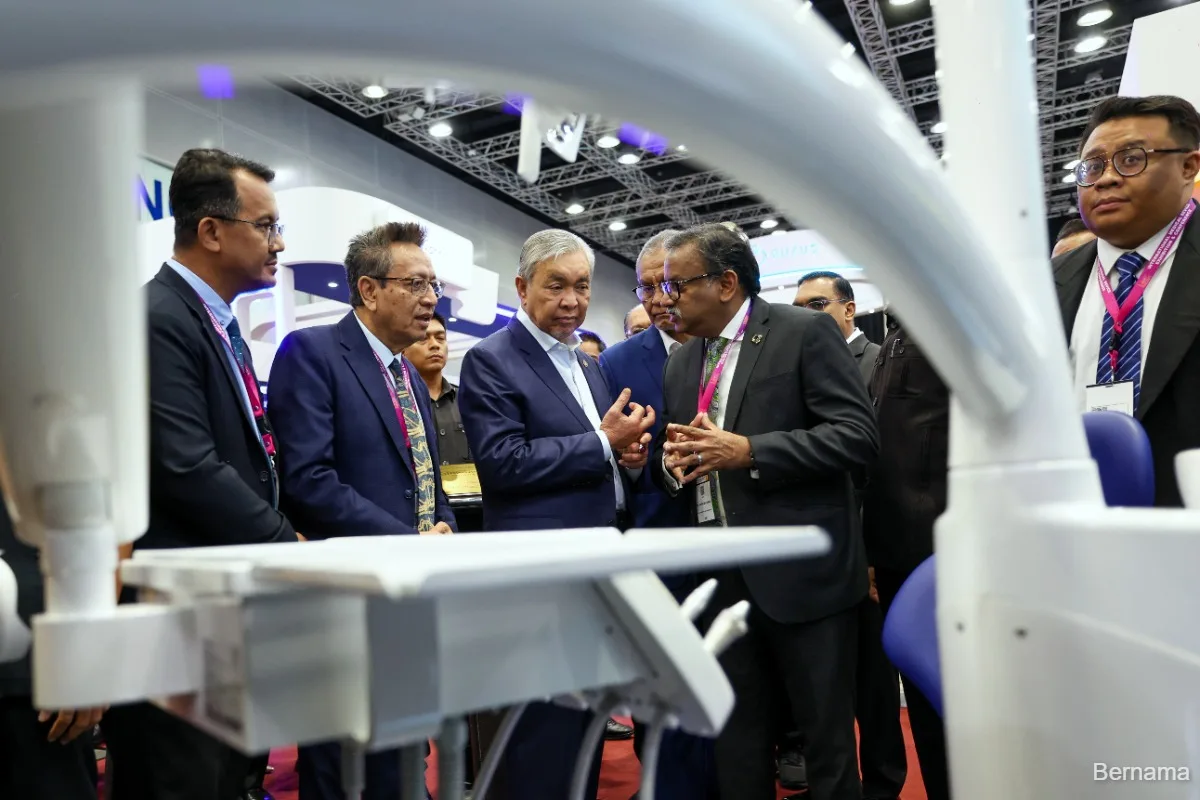
The International Medical Device Exhibition and Conference (IMDEC) 2026 took place from August 26 to 28 at the Kuala Lumpur Convention Centre with more than 160 exhibitors and 50 regional and international speakers [1, 2, 3, 4].
Beyond the sector news, Deputy Prime Minister Zahid Hamidi expressed condolences and concern for Malaysians affected by the devastating floods in Nepal, where 359 deaths were reported as of August 27 [5, 6]. Prime Minister Datuk Seri Anwar Ibrahim extended condolences to Opposition Leader Hamzah Zainudin on the passing of his mother, Mariam Kassim, aged 90, on August 28 [7, 8].
Malaysia’s export volume index rose 8.1% and import volume increased 14% in July 2026, supported by gains in chemicals, machinery, transport equipment, and manufactured goods [9].
The government’s next milestone in the medical device sector will focus on meeting the 2030 export and employment targets while continuing to attract investment and foster local talent development.