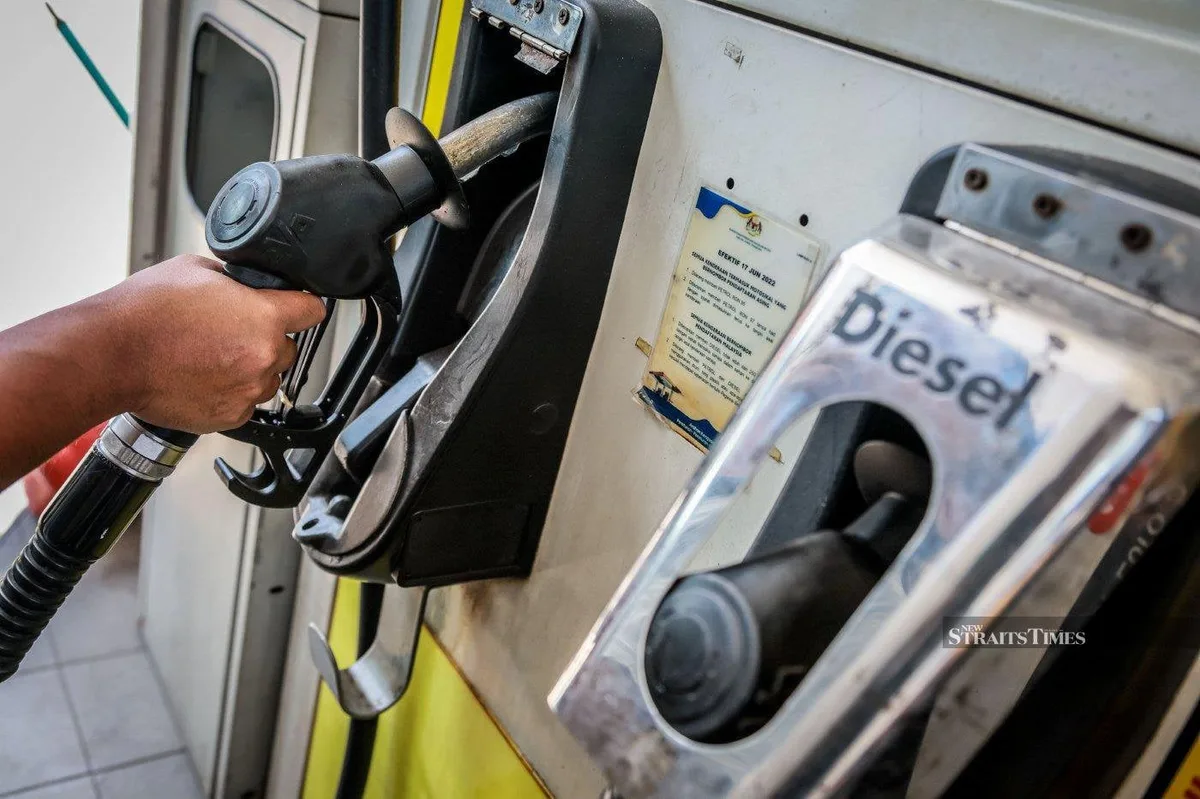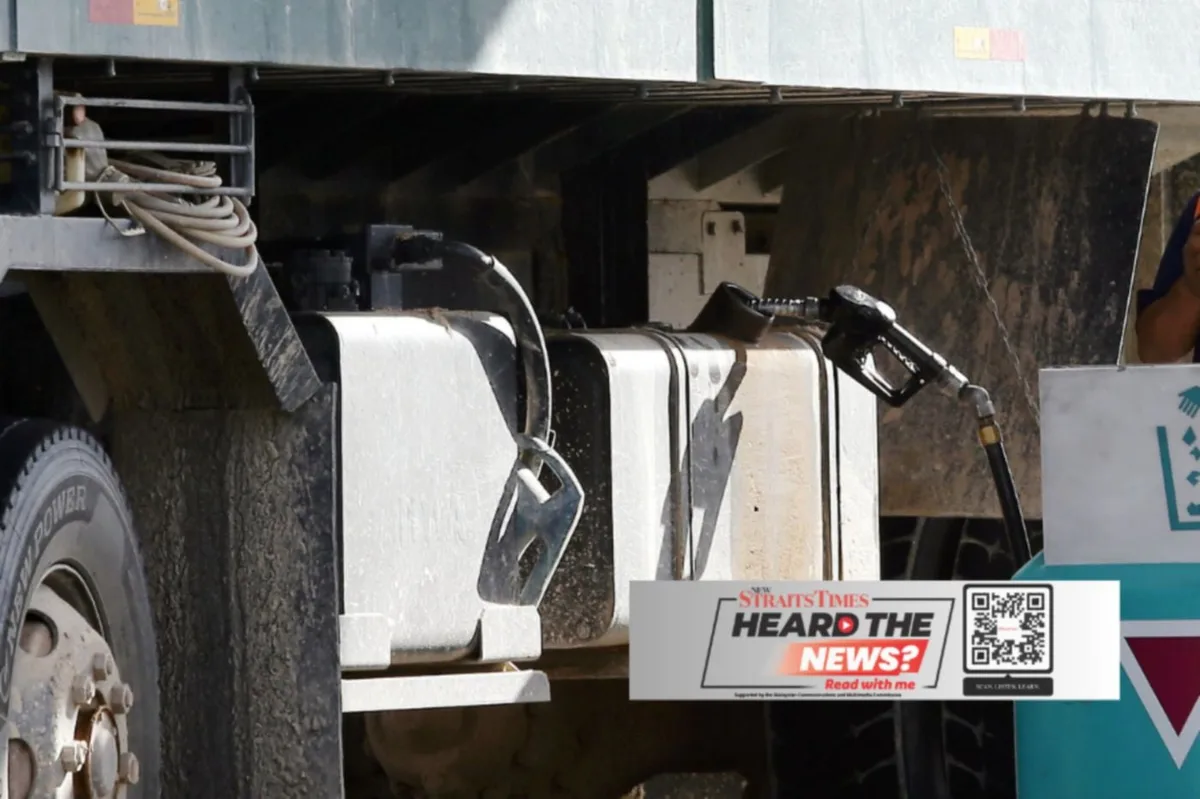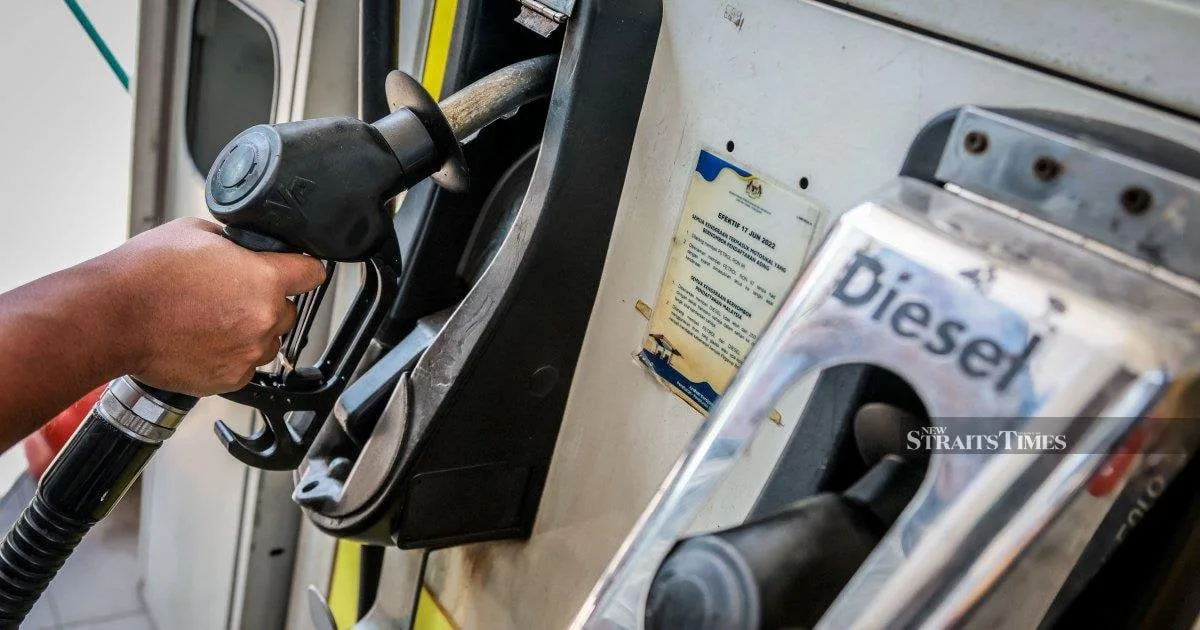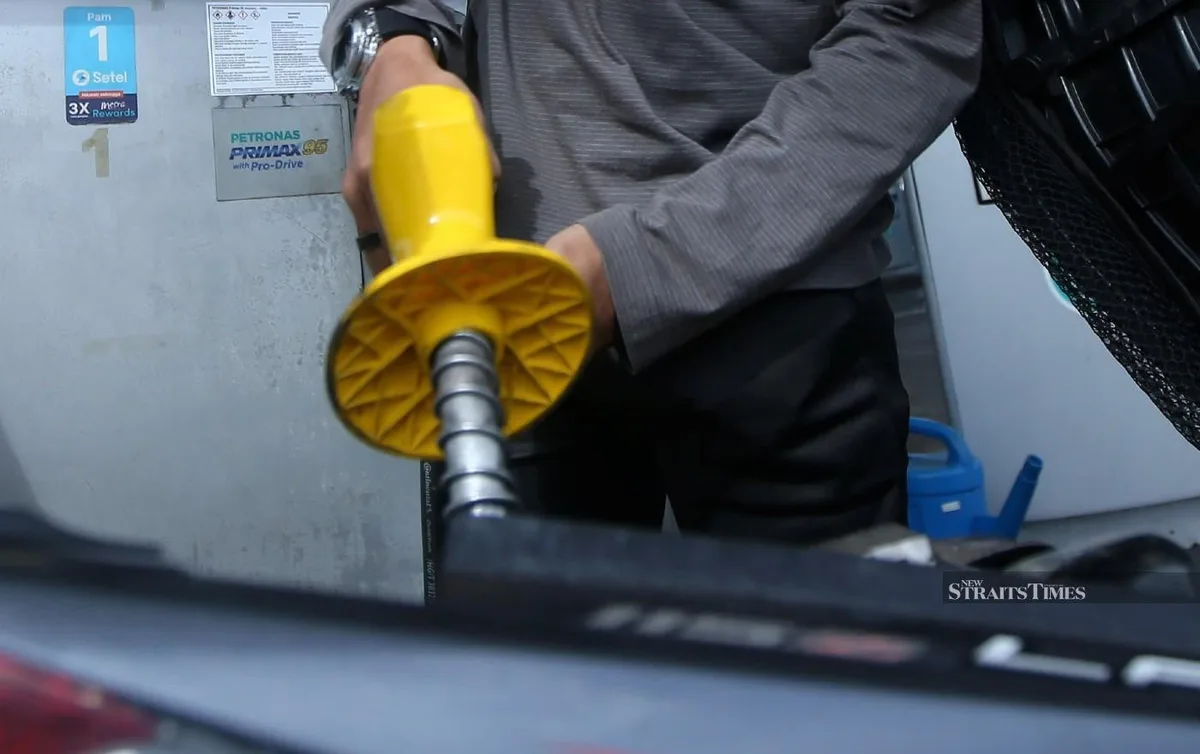
Malaysia will roll out the BUDI Madani Diesel subsidy programme nationwide starting July 1, 2026, allowing eligible private diesel vehicle owners to buy subsidised diesel at RM2.10 per litre using their MyKad identification cards [1, 2, 3, 4]. The programme covers river boat operators, genset owners in rural areas, fishermen, smallholders, commodity producers, and public land transport operators [5, 2, 4].
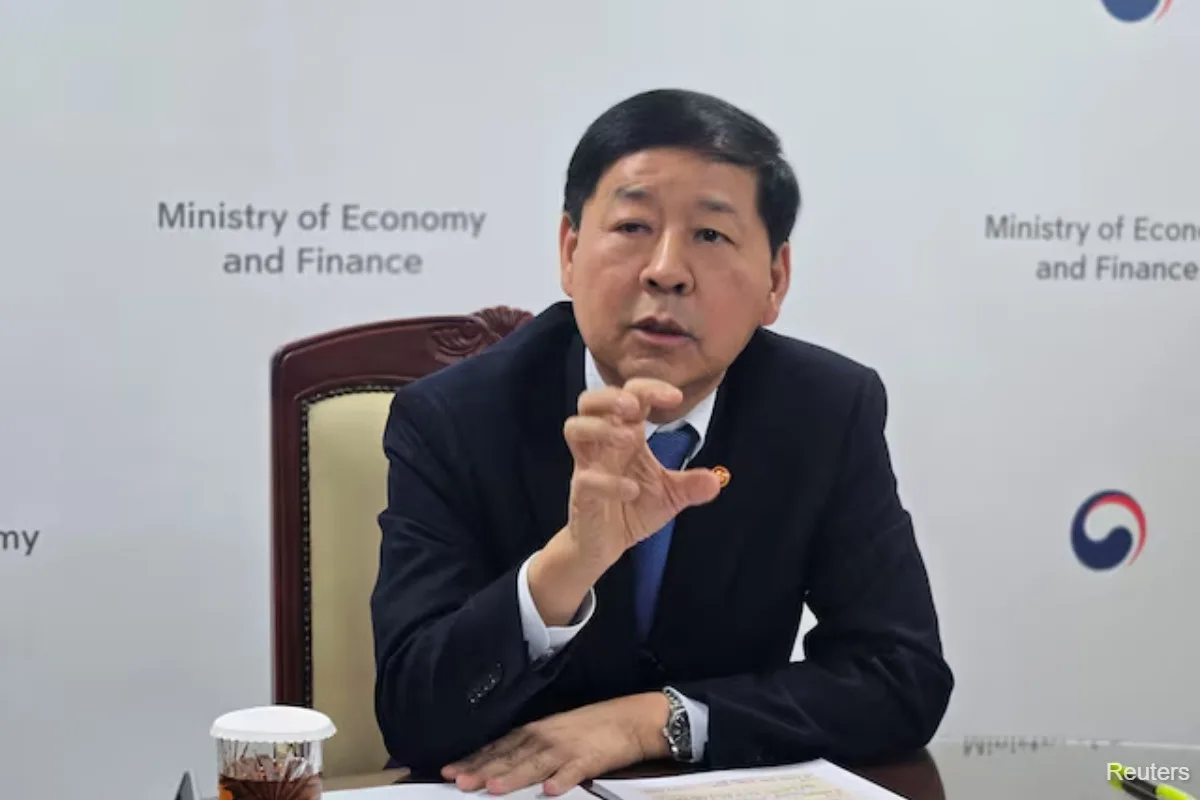
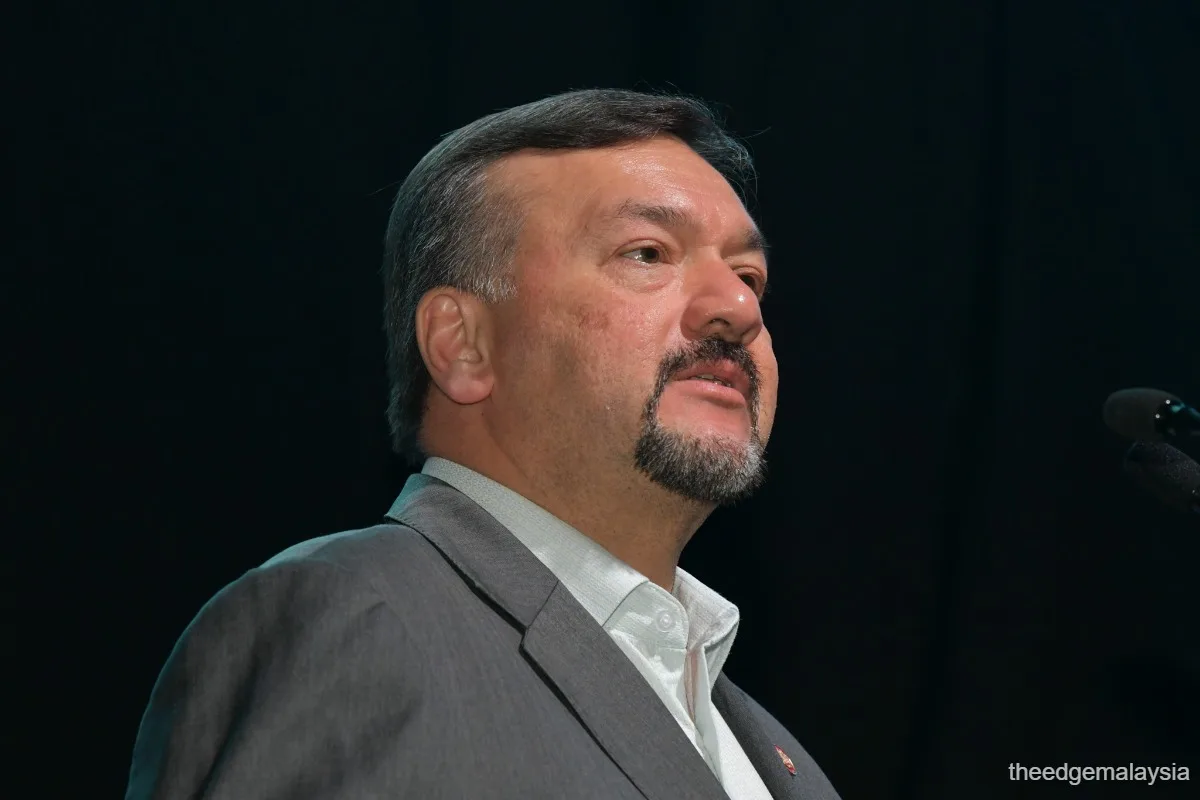
Each eligible individual receives a monthly base quota of 200 litres of subsidised fuel. Private diesel vehicle owners such as pick-up truck and jeep drivers may apply for an additional 100 litres, bringing their total monthly subsidy quota up to 300 litres [5, 6, 7]. Finance Minister II Datuk Seri Amir Hamzah Azizan said the additional quota is expected to be sufficient as about 95% of diesel users consume less than 300 litres monthly [5]. He added, "An individual may not own a diesel vehicle today, but they might purchase a pickup truck or four-wheel-drive vehicle next month. Once they become eligible, they can apply immediately" [1].
The BUDI Diesel quota can be used flexibly to purchase either subsidised diesel or RON95 petrol, facilitated by software upgrades to existing subsidy infrastructure without new hardware requirements [5]. The government is also verifying subsidies for river transport operators who may lack official licenses but qualify for aid, with support from Sarawak and other state governments [7].
As of May 31, 2026, the BUDI Madani programme has benefited 14 million Malaysians and delivered 11.1 billion litres of subsidised fuel. Total sales value under the programme reached RM22.1 billion, with the government spending RM11.2 billion on subsidies overall [8, 9]. Since the West Asia crisis earlier this year, subsidy spending has tripled compared to 2025 [8, 9].
The BUDI95 petrol subsidy quota was reduced from 300 litres to 200 litres on April 1 due to the Middle East conflict. However, the government is monitoring the impact of the recent ceasefire before deciding whether to restore the original quota. Finance Minister Amir Hamzah said, "When we first started implementing the RON95 subsidy, some said the quota was insufficient. But data from January to May shows only 0.76% used more than 200 litres. Let the system run first, and we can review if needed" [10, 11, 6].
Fuel prices for unsubsidised RON97 and RON95 petrol were cut by 25 sen per litre from June 25 to 30, while diesel prices in Peninsular Malaysia fell by 30 sen per litre over the same period [2, 3, 4]. Subsidised RON95 remains at RM1.99 per litre for over 14 million eligible Malaysians [8, 2, 3, 4]. Subsidised diesel prices are RM2.15 per litre in Sabah, Sarawak, and Labuan, and RM2.05 to RM2.15 per litre under other subsidy control systems in Peninsular Malaysia [2, 3, 4].
The government has intensified enforcement efforts with agencies like Customs and the Marine Police to curb subsidy leakages, smuggling, and black-market reselling. "We want to close the gaps on such leakages because every ringgit saved means more resources can be channelled to those who truly need it," Finance Minister Amir Hamzah said [1, 7].
No application deadline has been set for BUDI Diesel subsidies to allow for ongoing eligibility updates as citizens acquire diesel vehicles over time [1, 7]. The government also encourages fuel-saving measures such as carpooling to ease subsidy cost pressures [11].