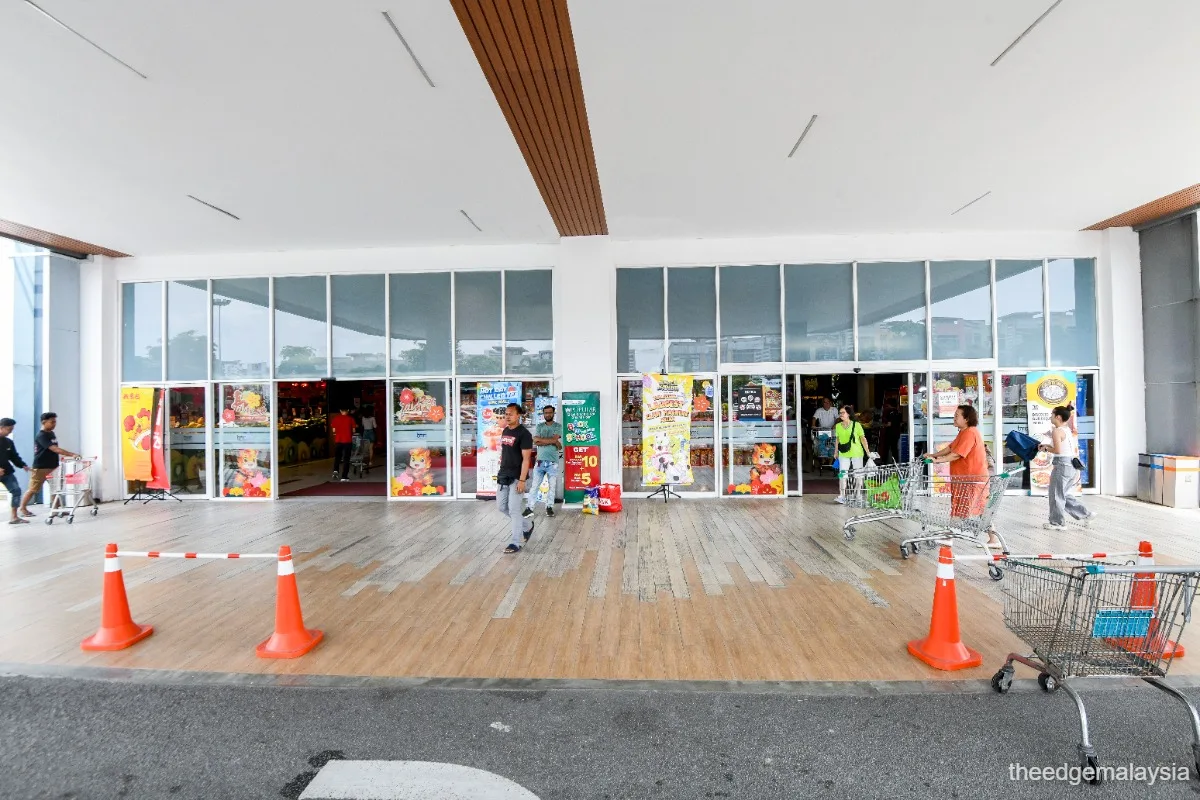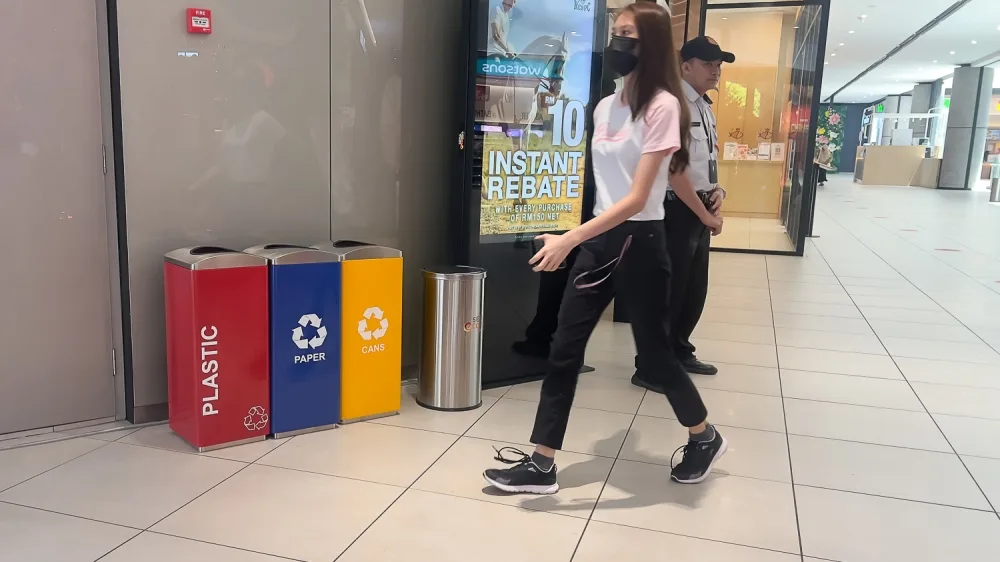
Malaysia's Cabinet approved a plan to equip more than 1,000 shopping malls nationwide with recycling facilities by the end of 2026, aiming to improve solid waste management and support the country's transition to a circular economy [1, 2]. Housing and Local Government Minister Nga Kor Ming said the requirement will be enforced through licensing to make recycling as convenient as shopping for consumers and traders. "With these facilities, consumers and traders can sort and deliver recyclable materials more easily and conveniently," he said [1].
The government outlined a phased rollout starting in June 2026, with voluntary registration and advocacy efforts, followed by pilot projects and necessary by-law amendments from January through June 2027. July to December 2027 will see targeted mandatory enforcement through licensing based on pilot project outcomes. Full enforcement and continuous monitoring are planned to begin in January 2028 [1, 2].
Malaysia currently generates more than 39,000 tonnes of solid waste daily, highlighting the urgency for better recycling infrastructure [1, 2]. The initiative aims to embed recycling into shopping mall operations where public foot traffic is high, facilitating easier sorting and collection of recyclables.
Minister Nga added that the licensing requirement will help streamline public convenience while advancing the national sustainability agenda. He emphasized the Housing and Local Government Ministry's goal to "make recycling as easy as shopping" through this measure [1, 2].
The phased approach will allow authorities and mall operators to adapt regulations and implement recycling systems before full enforcement begins. The government will monitor performance and compliance closely after January 2028 to ensure the plan's success [1, 2].