A parliamentary special select committee in Malaysia proposed a bill to separate the roles of the Attorney-General (AG) and Public Prosecutor (PP), aiming to enhance prosecutorial independence and accountability [1, 2, 3, 4]. The bill introduces seven key reforms, including removing the AG's dual role as government legal adviser and final prosecutorial authority [2, 3].
One major reform grants Parliament a formal role in appointing the Public Prosecutor. The Judicial and Legal Service Commission (JLSC), Dewan Rakyat Speaker, and a parliamentary select committee will jointly vet candidates. The Yang di-Pertuan Agong (King) will appoint the Public Prosecutor solely based on the JLSC’s advice, considering only the parliamentary-recommended candidate—without input from the Prime Minister or Cabinet [1, 5, 2, 3, 4]. The Public Prosecutor will serve a fixed, non-renewable term of seven years [1, 2, 3, 4].
The bill also proposes introducing a Code of Ethics for Public Prosecutors. Parliament may enact further laws to strengthen the Public Prosecutor institution and will require annual reporting by the Public Prosecutor to both legislative houses [1, 2, 3, 4].
The bill, known as the Constitution (Amendment) (No. 2) Bill 2026, was referred to the bipartisan special select committee in March 2026 for review and refinement [1, 2, 3, 4]. The committee, made up of 11 or 12 MPs, met seven times during the process [1, 2, 4]. It tabled its report in the Dewan Rakyat on July 13, 2026 [1, 2, 4].
Debate and a second reading of the bill were deferred to the next parliamentary sitting after amendments were presented to the Conference of Rulers on July 14, 2026 [5, 3, 4]. The government emphasized respect for the Constitutional Monarchy and aims to proceed prudently with the Rulers’ involvement [3, 4].
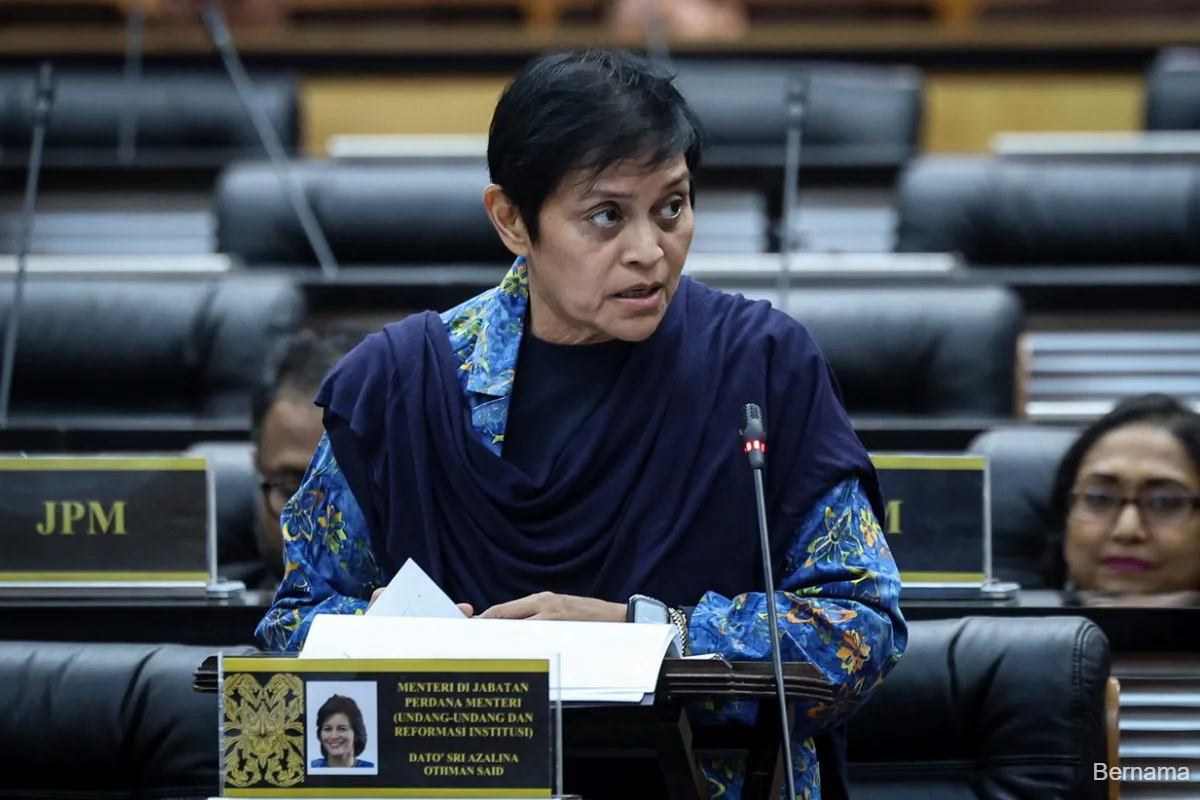
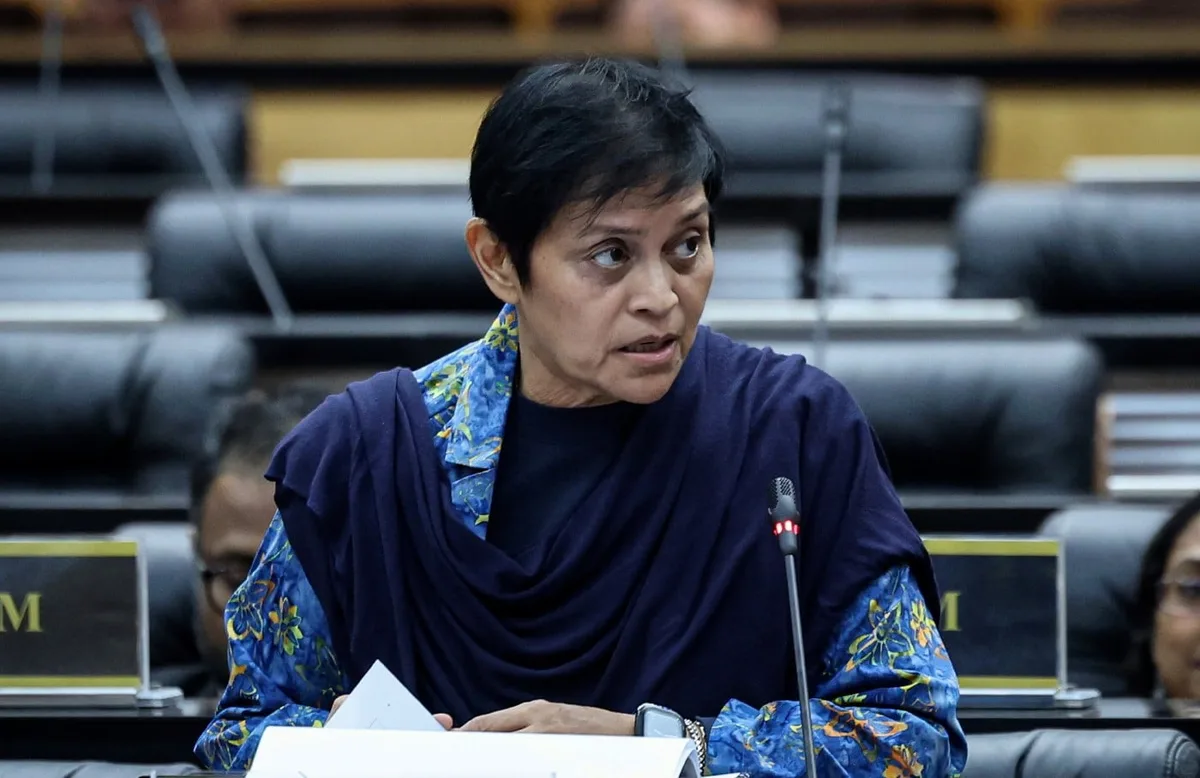
Datuk Seri Azalina Othman Said, speaking on the bill, said the amendment "is aimed at strengthening the checks and balances mechanism while preserving the independence of the public prosecutor and the constitutional position of the Yang di-Pertuan Agong" [5]. She added the reform is "not about political interests, but about strengthening the rule of law, empowering national institutions and increasing public confidence in the justice system" [3]. Azalina noted that civil society groups see the amendment as "a victory for the rule of law," a view shared by the government [4].
A group of eight MPs publicly supported the enhanced parliamentary vetting process and urged the government to proceed with the bill’s debate [5]. The next parliamentary sitting is expected to see further discussion and a vote on the bill.