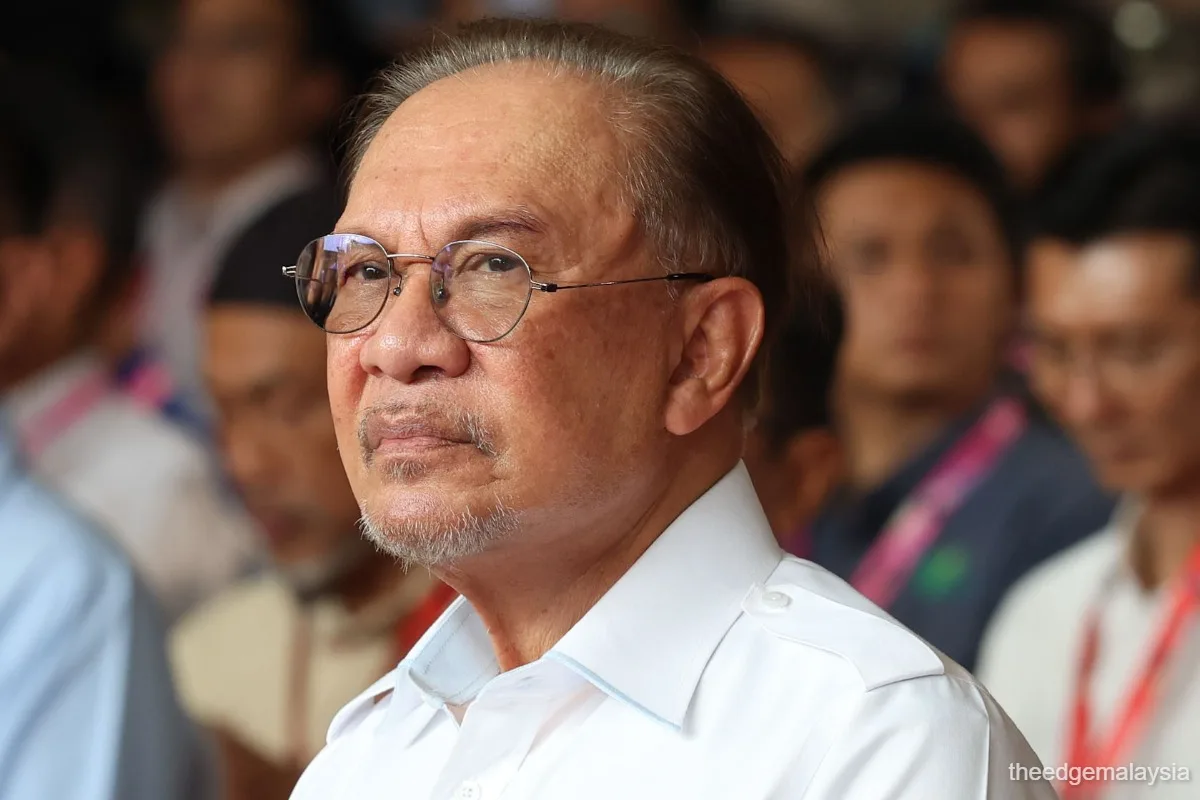
The Malaysian government announced plans to study the creation of a national petroleum reserve stock to bolster energy security amid geopolitical uncertainties and global supply disruptions. This decision was made during the National Energy Council Meeting No. 1 on July 15, 2026, chaired by Prime Minister Datuk Seri Anwar Ibrahim. The prime minister emphasized, "In a situation of geopolitical uncertainty and ongoing global supply chain disruptions, Malaysia needs to be prepared to ensure long-term energy security" [1].
As of December 2025, Malaysia’s installed renewable energy capacity reached 31%, part of efforts to reduce coal dependence. The Corporate Renewable Energy Supply Scheme (CRESS) has been upgraded with a Battery Energy Storage System (BESS), which the prime minister described as strengthening renewable energy efforts. Public transport electrification is progressing with 250 electric buses deployed nationwide and 800 kilometers of rail network coverage. The country is also developing a hydrogen hub for the Autonomous Rapid Transit system in Sarawak, with phase one scheduled for completion by the end of 2026 [1, 2, 3].
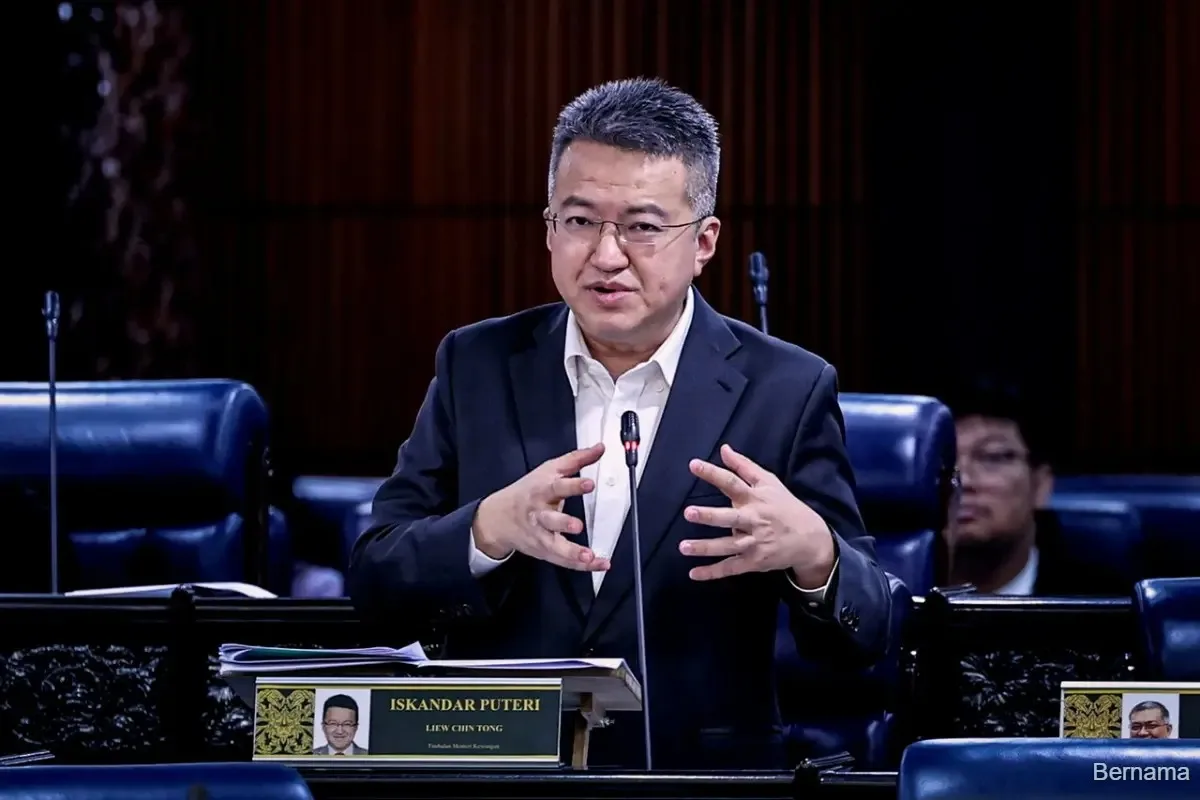
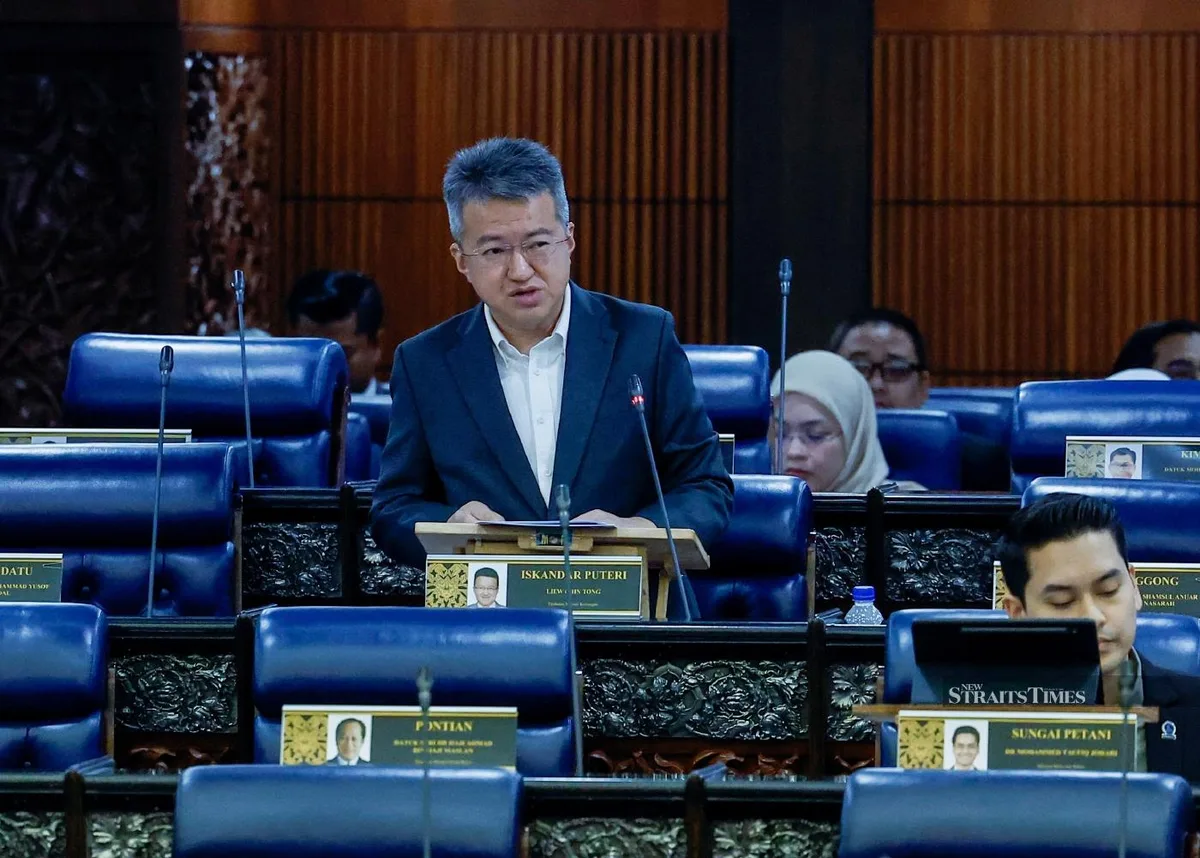
On July 16, 2026, the Dewan Rakyat passed the National Trust Fund (KWAN) Bill 2026. The bill introduces mandatory federal government contributions at a minimum rate of 0.1% of projected annual revenue, alongside 2% contributions each from PETRONAS dividends and export duties on depletable resources. Deputy Finance Minister Liew Chin Tong said, "This bill is enacted to strengthen the framework through statutory contributions, withdrawal discipline and modern governance". Withdrawals from KWAN are now restricted to education, healthcare, and climate change mitigation or adaptation, capped annually at 50% of the fund’s expected long-term real rate of return. Crucially, the bill requires Dewan Rakyat approval for withdrawals, closing loopholes exposed by a RM5 billion withdrawal in 2021 [4, 5, 6].
KWAN’s assets stood at RM22.43 billion at the end of 2024, with PETRONAS having voluntarily contributed RM13.5 billion since 1988. Bank Negara Malaysia will manage the fund during the transition until the statutory body is fully established and assets are securely transferred [4, 5].
Amid ongoing regional tensions, Economy Minister Akmal Nasrullah Mohd Nasir warned against complacency following the July 8 closure of the Strait of Hormuz due to US strikes on Iran. He stated, "None of us can afford to be complacent and we must be able to adapt to the economic challenges resulting from the continued conflict and military strikes in West Asia." The closure raised risks to oil prices, transportation costs, raw material prices, and food supply chains affecting Malaysia [7].
In agriculture, Minister Datuk Seri Mohamad Sabu announced efforts to mitigate El Nino’s impact, such as water management, smart irrigation, drought-resistant paddy varieties, cloud seeding, and maintaining six months’ rice stock. Since 2024, RM45.24 million has been provided in assistance to 8,224 rice farmers, with RM38.53 million aid extended to 55,058 farmers in drought-affected areas as of mid-2026 [8, 9, 10].
Former Prime Minister Datuk Seri Najib Razak, 72, is scheduled for a heart procedure at Serdang Hospital next week. He is currently stable and serving a six-year prison sentence ending August 23, 2028, related to the SRC International case. Najib has appealed a separate 15-year sentence for 1MDB-related convictions, which will begin after completing his current term [11, 12].