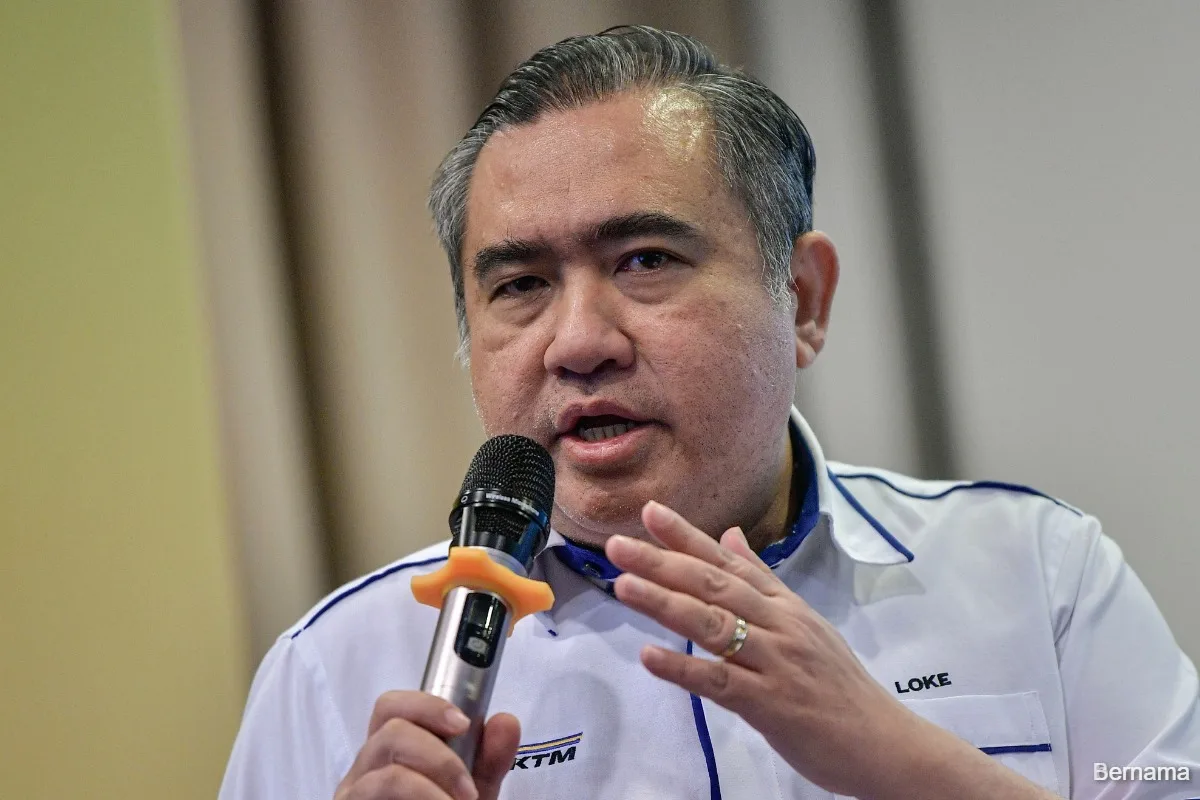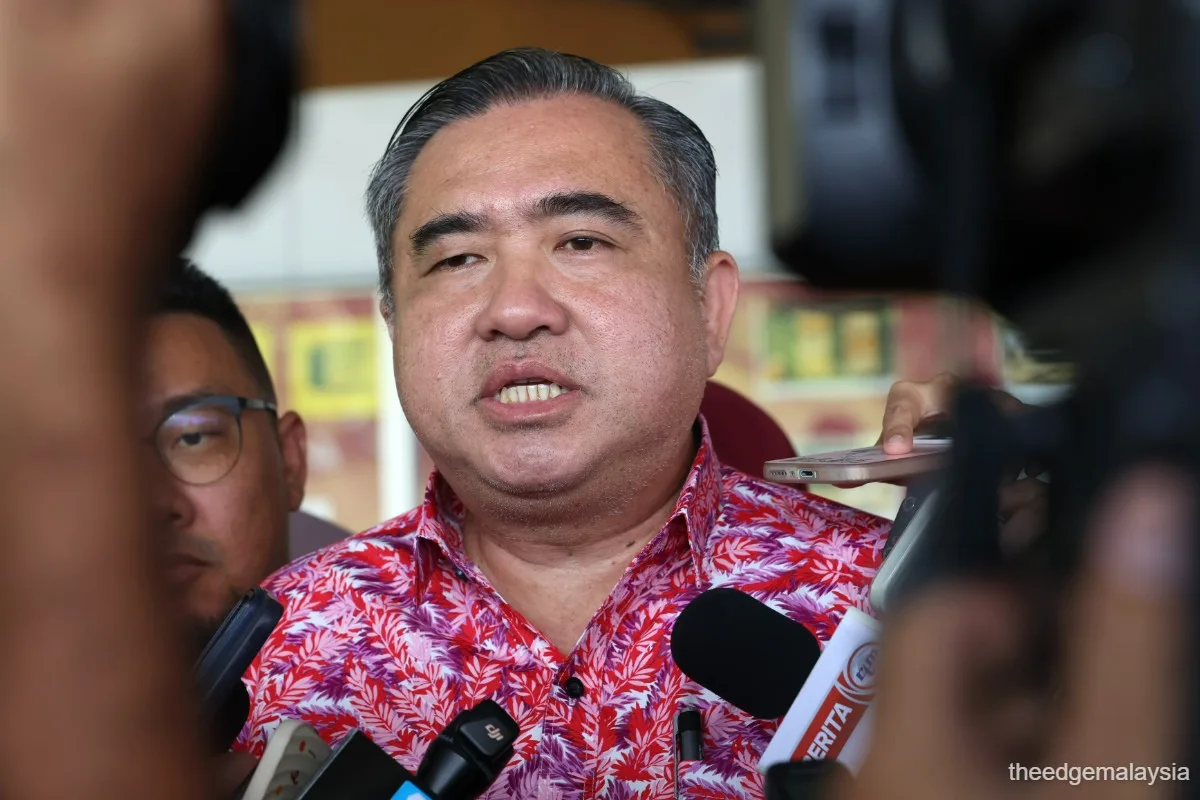
Malaysia has not made a decision on introducing a compulsory carbon tax for the aviation sector, Transport Minister Anthony Loke said on September 7, 2026, during the 61st Directors General of Civil Aviation Conference for the Asia-Pacific Region (DGCA/61) hosted in Malaysia [1, 2, 3, 4]. The country is committed to achieving net-zero carbon emissions by 2050 under International Civil Aviation Organization obligations but plans to adopt a phased approach to reducing emissions, with more detailed measures to be announced gradually. “At this point, we have yet to make any decision. CAAM (Civil Aviation Authority of Malaysia) has not made any decision regarding compulsory carbon taxation,” Loke said [1].
The DGCA/61 conference also highlighted emerging technologies impacting aviation safety and operations. Loke pointed to artificial intelligence, unmanned aircraft systems, and advanced air mobility as transformative factors in aviation connectivity, logistics, and public services [1, 2, 3]. “Technology is already transforming the way aircraft are operated, airspace is managed, and aviation risks are identified,” he said [3].
In response to a recent drug trafficking case involving a Malaysia Airlines co-pilot, Malaysia is strengthening checks on pilots, cabin crew, and other aviation personnel. The co-pilot was arrested in July 2026 at Soekarno-Hatta International Airport in Jakarta for attempting to smuggle 25 kilograms of drugs, including 70,114 ecstasy pills and methamphetamine valued at RM45 million [5, 4]. Six local men were arrested on September 4, 2026, in Malaysia for suspected involvement with the international drug syndicate linked to the co-pilot [5, 4].
The police are leading the investigation, with cooperation from the Ministry of Transport and the Civil Aviation Authority, including providing access to facilities and personnel for questioning. Loke said, “The investigation is under the police. They have no obligation to inform us or to discuss with us the progress of the investigation, but we will give our cooperation by providing whatever information or access is needed, whether to our facilities or airports, as well as any personnel they want to interview or investigate” [4]. He added he was not privy to details and preferred the police to make further announcements [5].
Separately, Malaysia has been assisting as an alternate airport for flight diversions caused by volcanic ash near Jakarta [4].
The DGCA/61 conference continued on September 7, bringing together Asia-Pacific aviation leaders to discuss safety, sustainability, and technology in the region [1, 2, 3, 4].