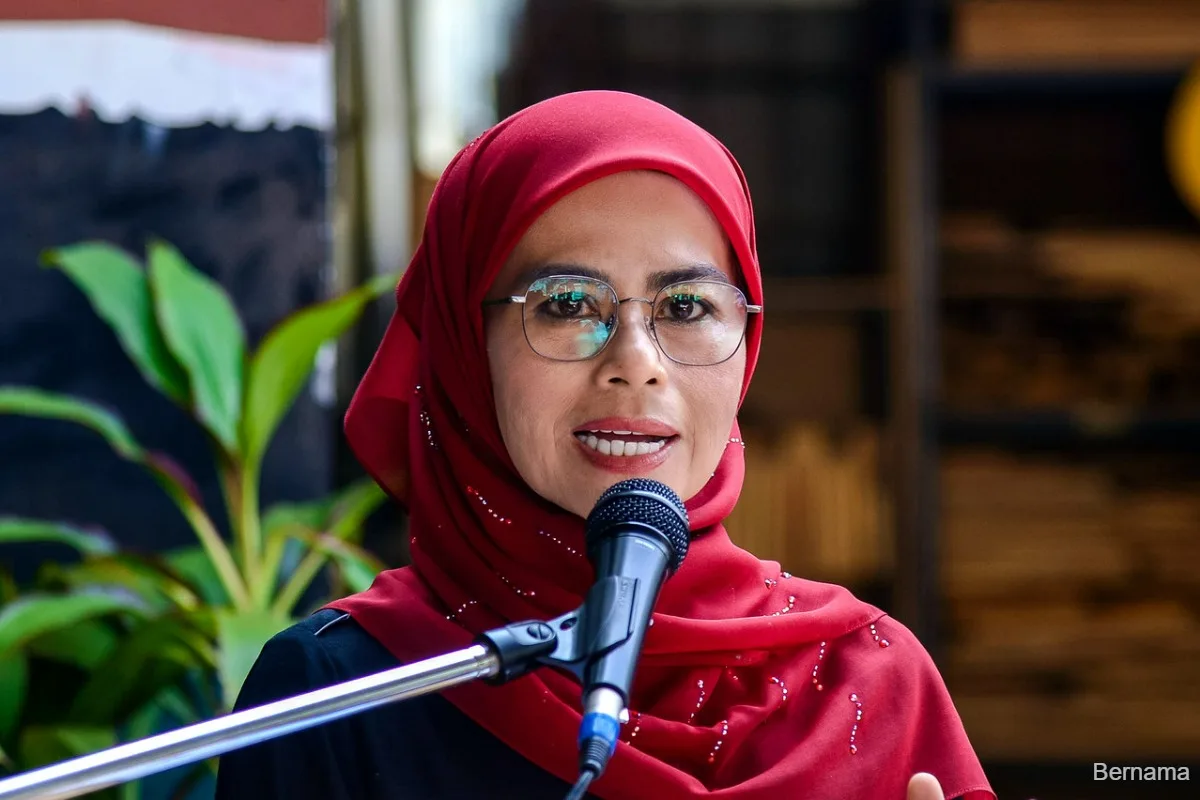
Plantations and Commodities Minister Datuk Seri Dr Noraini Ahmad urged Malaysia’s timber industry to move from volume-based production toward higher-value products to enhance competitiveness and build unique Malaysian brands. She made the call during the launch of the Merdekapenter Programme on August 22 [1, 2, 3].
"The future of this industry cannot depend solely on production volume. We need to move towards producing higher-value products, improving designs, adopting technology and building distinctive Malaysian brands that can compete globally," Datuk Seri Dr Noraini said [2].
Malaysian timber products have gained access to major global markets including the US, Japan, China, Europe, the Middle East, Australia, and several Asian countries [1, 2, 3]. Demand is growing for products sourced responsibly and meeting strict sustainability requirements [1, 2, 3]. The Minister highlighted that the value of timber extends beyond raw material to craftsmanship, design, and the stories behind products, which are key for market differentiation [1, 2, 3].
The government supports the industry through agencies like the Malaysian Timber Industry Board, Malaysian Timber Council, and Malaysian Timber Certification Council, focusing on boosting productivity, developing human capital, expanding markets, and strengthening sustainability practices [1, 2, 3].
The Malaysian Timber Certification Scheme (MTCS) independently assesses forest management and entire timber supply chains. Since 2009, it has been recognized by the Programme for the Endorsement of Forest Certification (PEFC). Datuk Seri Dr Noraini noted that "MTCS is also the first tropical timber certification scheme in the Asia-Pacific region to receive such recognition" [1].
Currently, about 5.9 million hectares—over 32% of Malaysia’s forest area—are certified under MTCS, with 365 companies holding MTCS/PEFC Chain of Custody certification nationwide [1, 2, 3]. Certification, resource efficiency, and innovation increasingly determine companies’ ability to gain customer confidence and access challenging global markets [1, 2, 3].
The government’s next steps include ongoing support for industry productivity and sustainability initiatives through the Malaysian Timber Industry Board and its affiliated bodies [1, 2, 3].