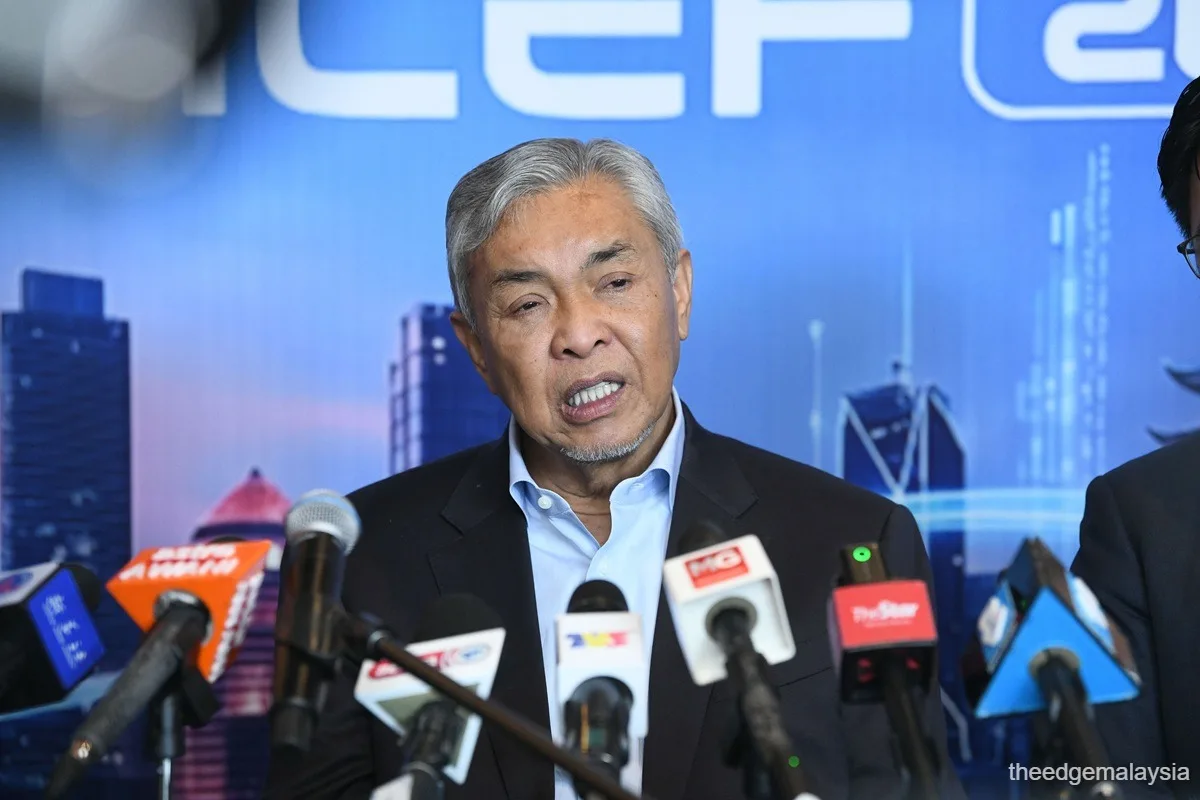
Malaysia must establish an integrated air disaster management system where agencies share a common operational picture, follow a unified command, and respond simultaneously, Deputy Prime Minister Datuk Seri Dr Ahmad Zahid Hamidi said on July 27 at Kuala Lumpur International Airport [1, 2, 3, 4, 5].
Speaking at the National Air Disaster Preparedness 2026 workshop, Zahid emphasized that the principle of "one system, one command, one action" should guide disaster response efforts to coordinate assets, expertise, and authority to save lives and control emergencies swiftly [1, 3, 4, 5]. He stressed, "We must build a system that enables all agencies to see the same situation, understand the same instructions and act at the same time. When every second counts, there is no room for confusion, delay or working in silos" [2].
The two-day workshop tested procedures, clarified roles, and assessed Malaysia's air disaster management framework. It focused on clarifying command chains, strengthening information sharing and integrated communications, expanding scenario-based training (including remote areas), and accelerating digitalisation in disaster management [2, 3, 4].
Zahid said confusion and delays in air disaster response cost lives, urging clear directives, effective communication, and operational unity well before crises arise. He added, "We cannot wait until a real crisis occurs to determine whether our instructions are clear, our communication is effective and all agencies are capable of moving in one rhythm" [5]. To avoid public confusion, he also called for appointing only one spokesman during emergencies [2].
Malaysia’s air disaster preparedness reflects the importance of aviation safety as a national strategic priority linked to trade, investment, and tourism. In 2025, the country received 42.2 million international tourists generating RM110.6 billion and recorded domestic tourism spending of RM121.3 billion [4].
The workshop gathered over 100 participants from government agencies, enforcement and emergency services, airlines, airports, and related industries [4]. Past aviation incidents referenced included the MH370 disappearance, MH17 shoot-down, the Elmina aircraft crash, Semenyih helicopter crash, and a Royal Malaysian Air Force helicopter collision [2, 5].
Deputy Prime Minister Zahid requested all findings be submitted to his office within two weeks to develop clear action plans with timelines and monitoring mechanisms [5].