Prime Minister Datuk Seri Anwar Ibrahim has instructed the Ministry of Agriculture and Food Security (KPKM) to urgently develop mitigation measures ahead of the Super El Nino phenomenon expected in Malaysia beginning November 2026 [1, 2, 3].
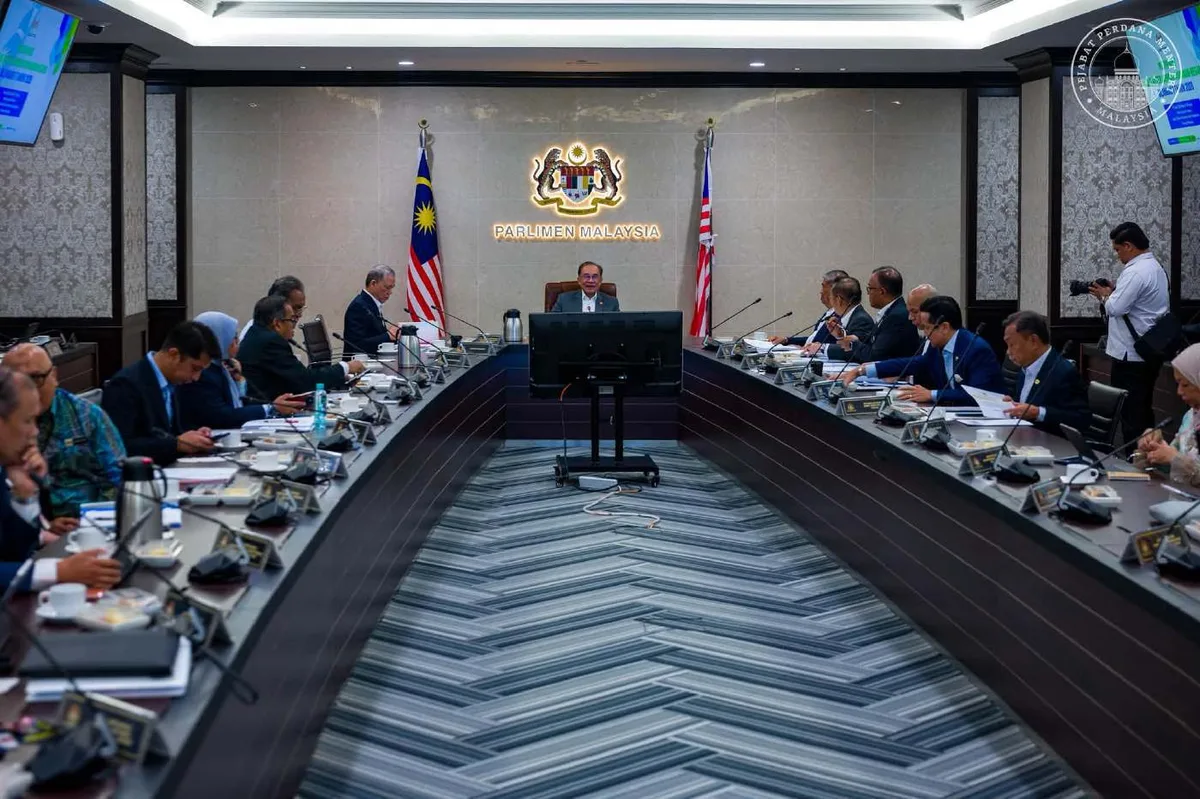
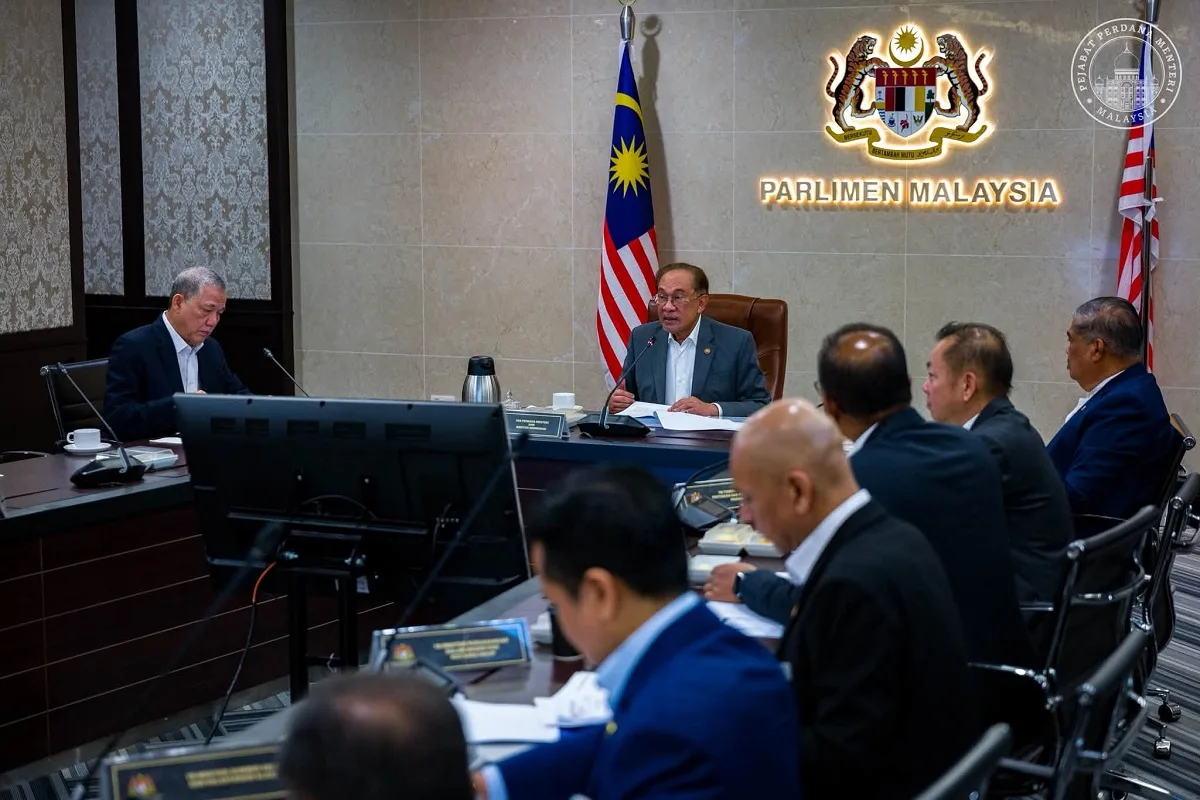
During the National Food Security Council Meeting on July 15, 2026, which he chaired, Anwar emphasized minimizing disruptions to food production and protecting the livelihoods of farmers, paddy growers, livestock breeders, fishermen, and related communities [1, 2, 3]. The meeting also included discussions on fisheries cooperation with Thailand [1, 2, 3].
Anwar said, "I have instructed KPKM to expedite the finalisation of this matter through the appropriate channels, without compromising food safety and quality standards. Continuous engagement with the fishing community must also be carried out to ensure their products comply with the prescribed standards" [1].
The government plans to strengthen the agrifood sector by adopting technology, innovation, and best practices aimed at keeping producers competitive and securing food supply [1, 2, 3]. Climate change and emerging weather patterns like Super El Nino pose significant risks to food production and supply chains [2].
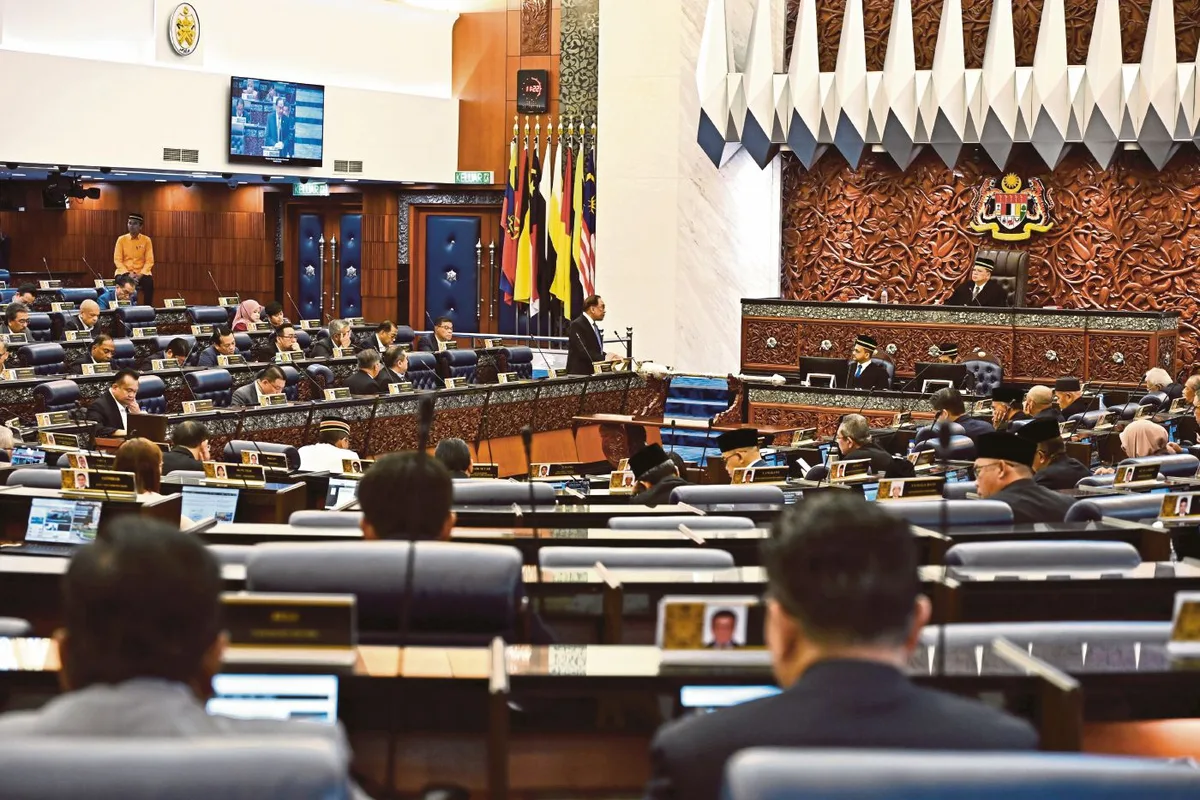
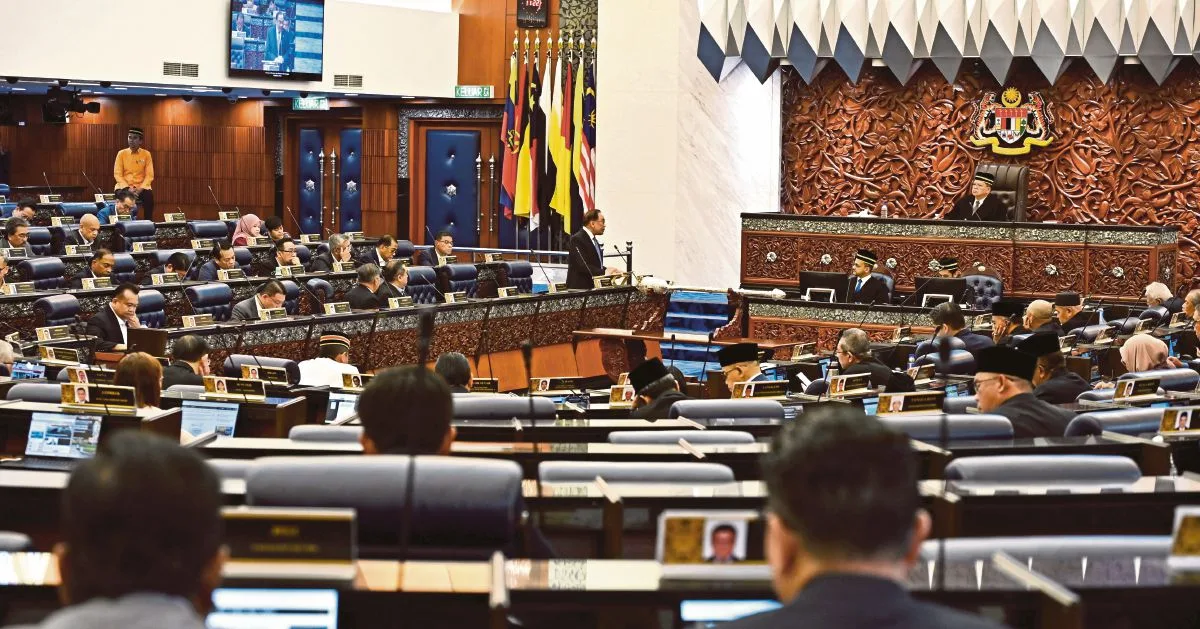
Parliament discussed these preparations on July 16, 2026, during the Dewan Rakyat sitting, where members questioned the government about irrigation water supply, crop production, livestock needs, and overall food sufficiency in light of El Nino [4, 5]. The session also touched on unrelated topics such as a recent armed forces training accident, deviant teachings, and reforms for Kuala Lumpur City Hall [4, 5].
Following these discussions, the Ministry of Agriculture and Food Security is expected to finalize detailed mitigation plans promptly to ensure Malaysia’s food systems can withstand the impacts starting this November [1, 2, 3].