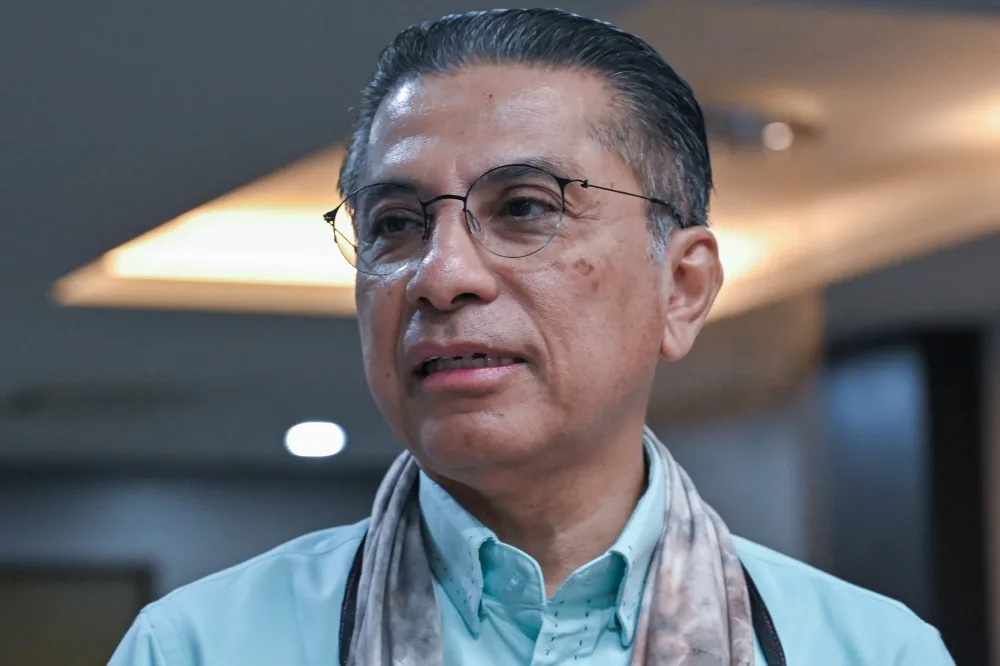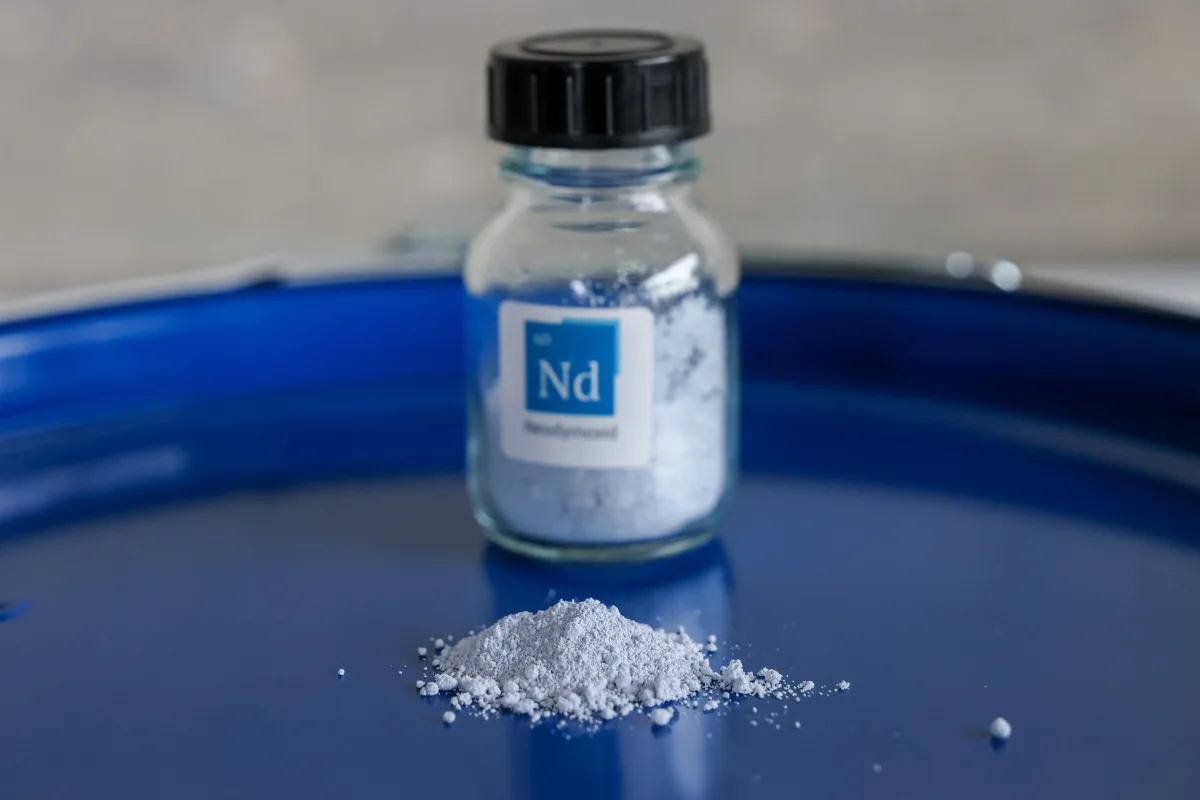
Malaysia imposed a moratorium on raw rare-earth exports in 2024 to encourage investment in domestic processing facilities [1, 2, 3]. On August 3, 2026, Deputy Minister Syed Ibrahim Syed Noh confirmed the government is assessing easing these export restrictions following pressure from Malaysian states, investors, and foreign governments including the US, Australia, France, and India [1, 3]. "The pressure is already there, from Malaysian states and investors. They are knocking at the doors already," Syed Ibrahim said [1].
Any renewed exports of unprocessed rare earths would be allowed under strict conditions tied to inbound investments, technology transfers, and use for research and development outside Malaysia [1, 2, 3]. The government aims to reduce over-reliance on any single technology source. "Diversification is particularly important. We want to mitigate the risk of over-reliance on technology from a single source," the Deputy Minister added [3]. He also noted ongoing engagement with Chinese companies for their expertise, commenting, "If China wants to share the technology, it would be a win-win for all of us" [3].
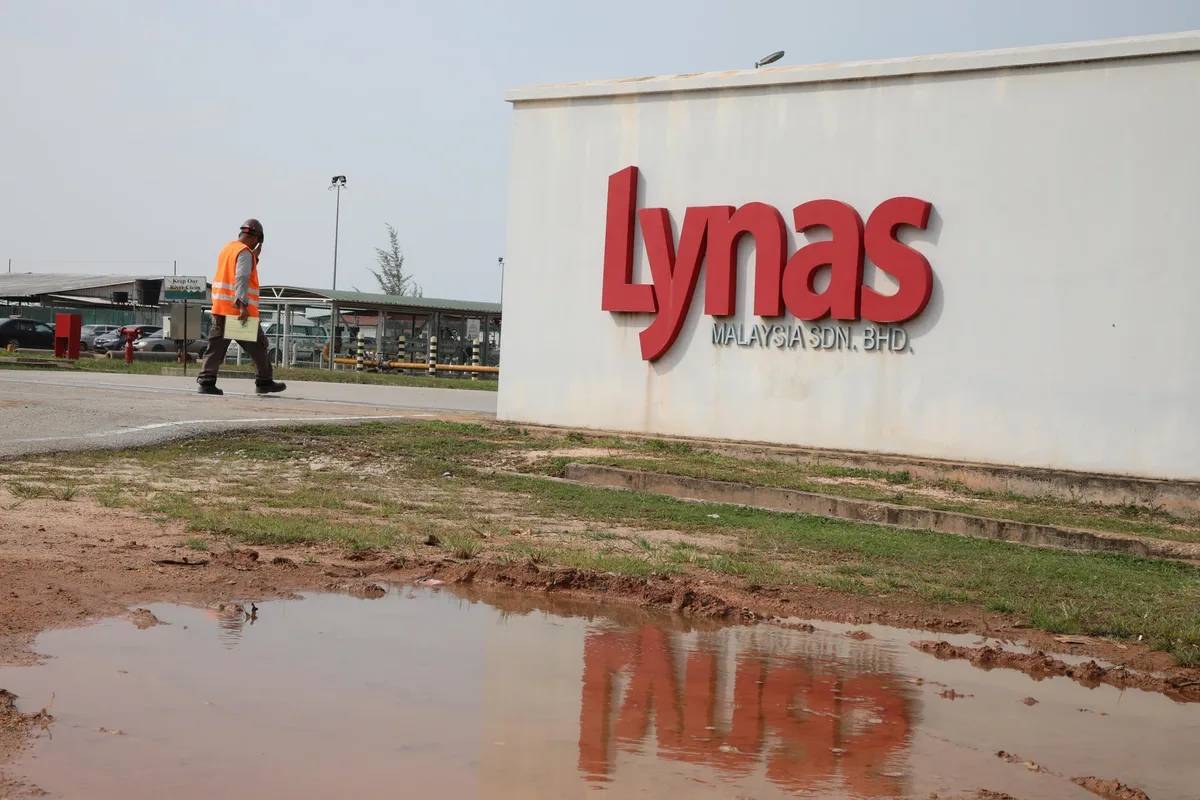
Malaysia's recognized rare-earth reserves account for about 1% of the global total, far behind China's more than 50% share [3]. The country hosts an expanding refinery operated by Australia's Lynas Rare Earths Ltd. The plant currently processes Australian ore but is keen to tap Malaysia's own deposits [1, 2, 3].
Last year, US President Donald Trump signed a critical minerals pact with Malaysia during a visit, boosting cooperation in rare-earth supply chains [1, 2]. Malaysia intends to become a regional hub for critical minerals by 2030, attracting investments across the full value chain from mining to downstream plants [1, 2, 3].
Deputy Minister Syed Ibrahim Syed Noh did not provide a timeline for potential changes to export regulations [1, 2, 3].