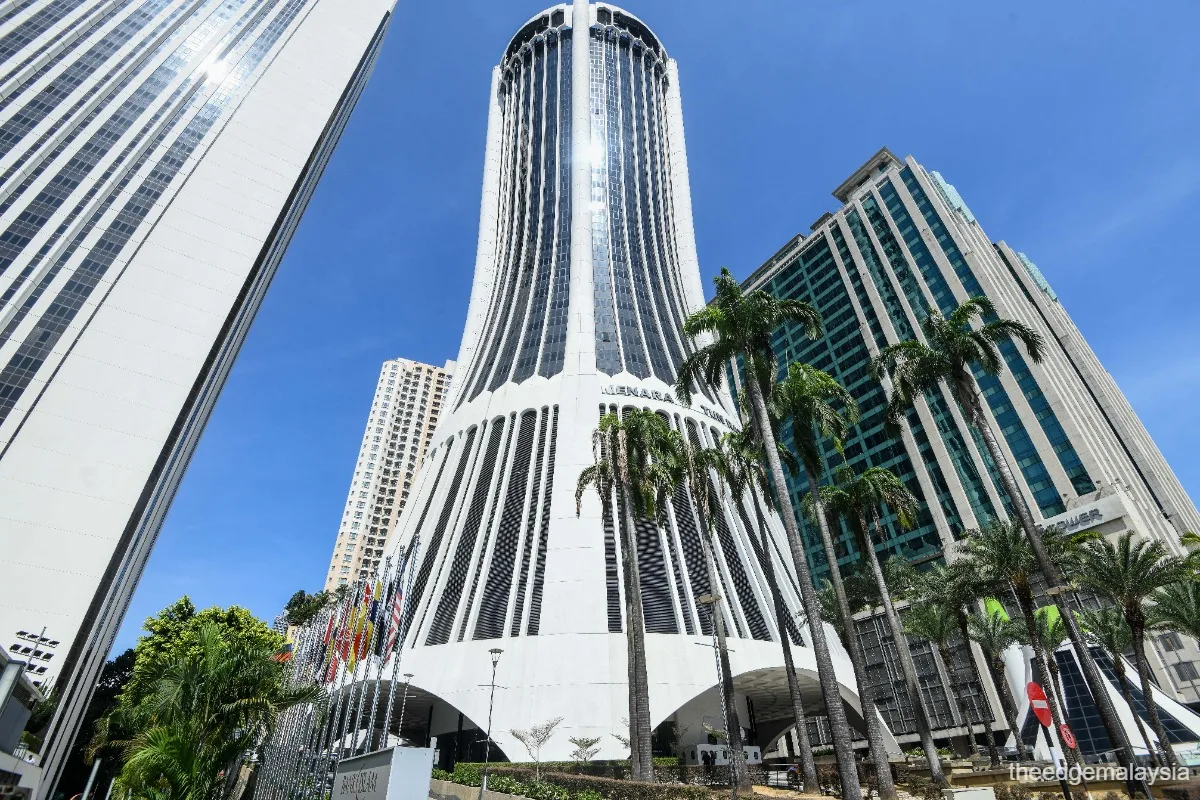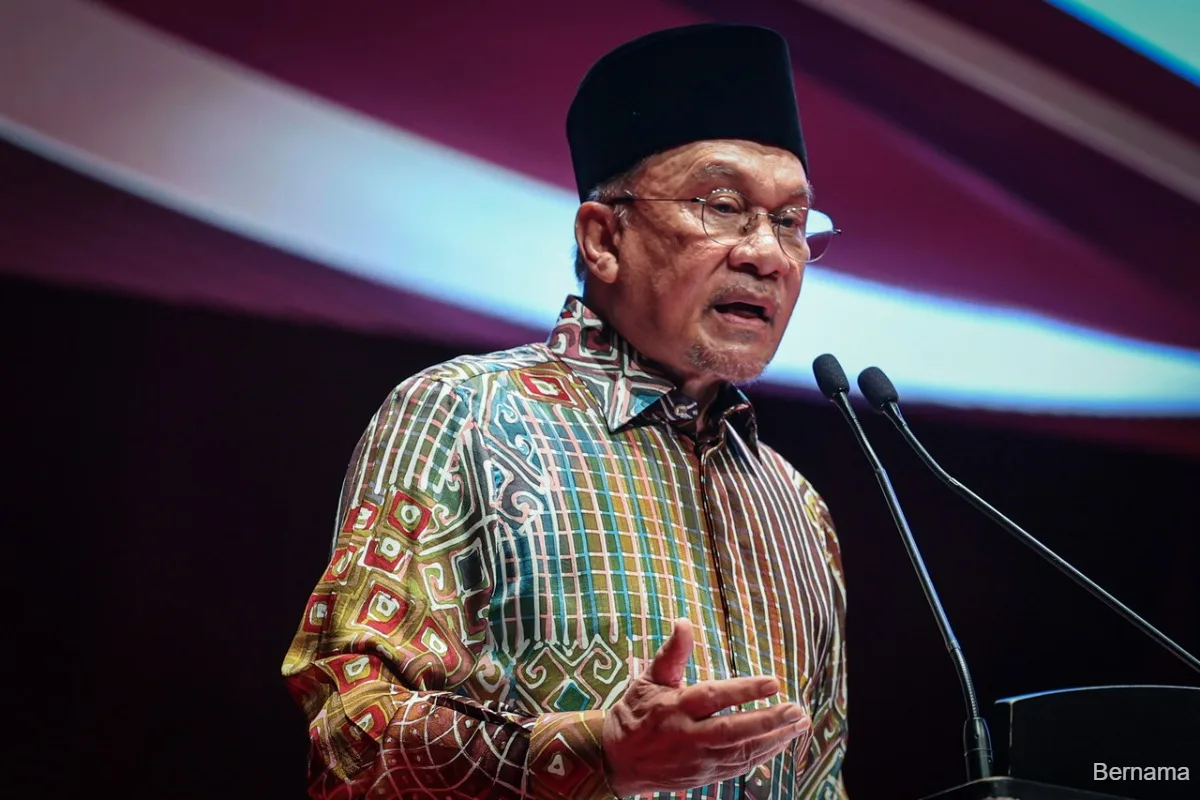
The Malaysian government announced plans to amend the Tabung Haji Act 1995 to safeguard the trust of Muslim depositors and improve governance at the institution. Prime Minister Datuk Seri Anwar Ibrahim said, "Governance must continue to be strengthened, institutions cleaned up and every weakness firmly addressed" as part of the Madani government's response to institutional flaws uncovered by a Royal Commission of Inquiry (RCI) on Tabung Haji [1, 2, 3].
The RCI investigated Tabung Haji's management and operations from 2014 to 2020, revealing widespread financial mismanagement, misconduct, and poor investments that caused massive losses. The commission found suspicious approval processes, manipulated reports, withheld information, unguaranteed transactions, and fund diversion [4]. The RCI also exposed that Tabung Haji overstated its 2017 profits by reporting RM3.4 billion instead of a RM1.4 billion net loss, and faced asset-liability deficits since 2014 [5, 6].
Total losses from seven troubled investments reached RM12.8 billion, with RM10.2 billion absorbed by the government in a 2018 rescue and restructuring and RM2.6 billion in impairment losses by Tabung Haji itself [4]. Finance Minister II Datuk Seri Amir Hamzah Azizan described the problem as rooted in financial and investment misconduct rather than mere accounting errors.
Prime Minister Anwar emphasized that investigations and remedial efforts are ongoing beyond the RCI timeline, potentially covering periods before 2014 and up to 2025. He said, "There is no restriction on investigating matters before and after that period. This is what the enforcement and investigative agencies are doing" [7, 8, 6, 9]. He urged firm action without compromise, adding, "It has caused a heavy political price. And I think at my age, I shouldn’t worry too much about that" [9].
The Consumers' Association of Penang called for sweeping prosecutions and recovery of assets, stressing that accountability must extend beyond a few individuals to include religious administrators, accountants, lawyers, regulators, and political leaders [5].
Experts recommended appointing non-partisan professionals to manage Tabung Haji and transferring financial oversight to the Finance Minister. They stressed better communication and digital outreach to restore public trust. Senior Lecturer Dr Mohd Kamarul Amree Mohd Sarkam said, "TH needs to demonstrate its seriousness in addressing its weaknesses and implementing governance reforms. Digital communication can help rebuild public confidence in the institution" [10, 11].
The amendments to the Tabung Haji Act form part of broader government priorities, including the upcoming Budget 2027. Prime Minister Anwar linked governance reforms to economic challenges and pledged no tolerance for corruption involving large funds [9]. The Budget 2027 presentation is scheduled for October 9, 2026 [12].