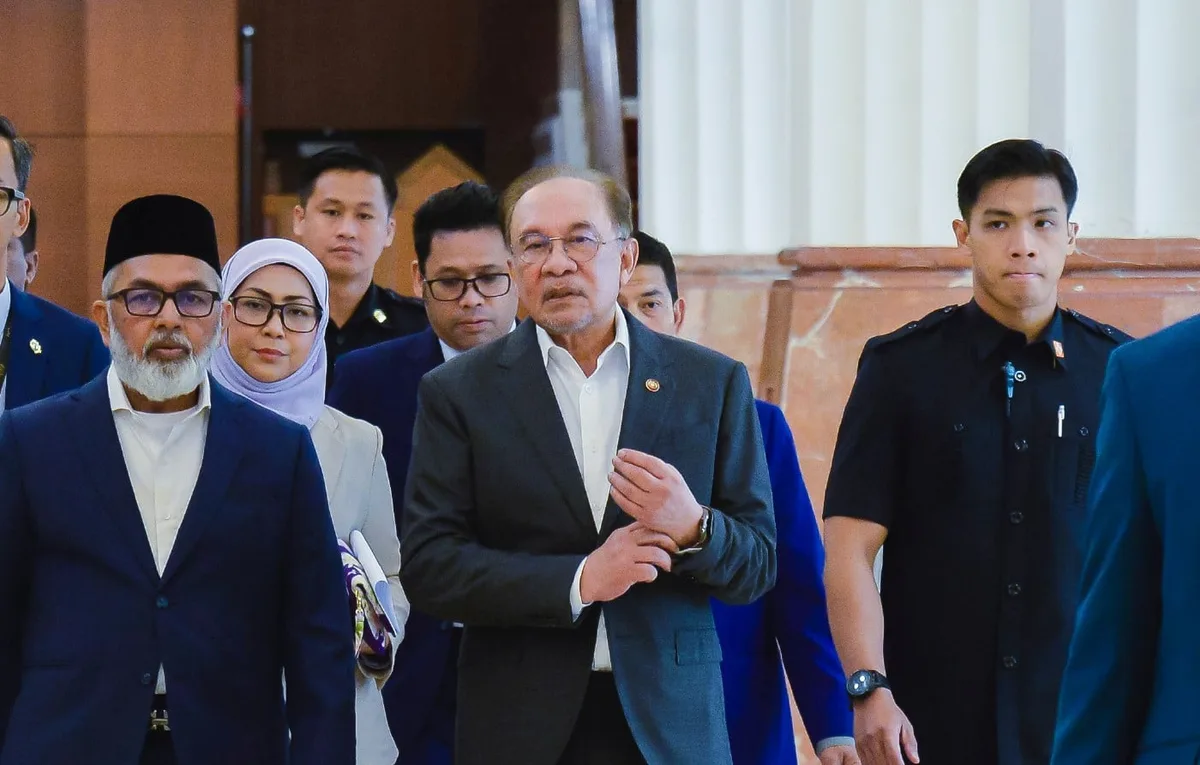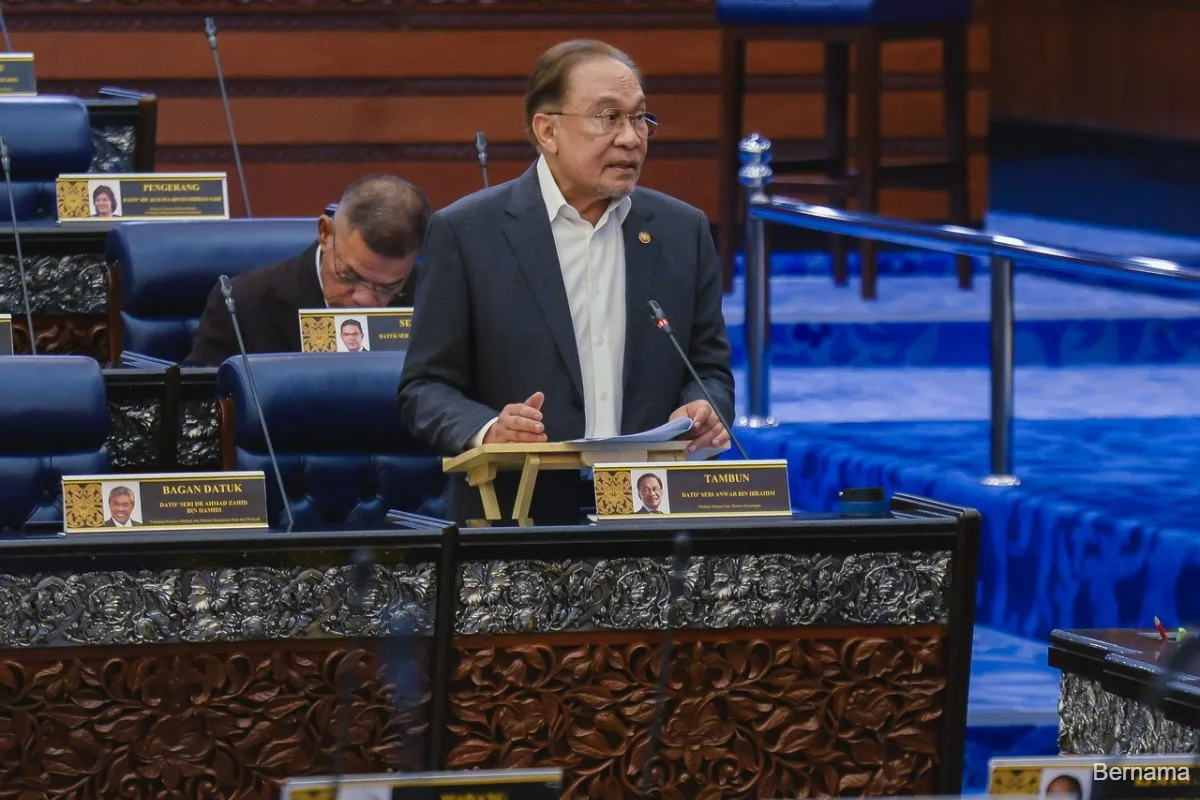
Prime Minister Datuk Seri Anwar Ibrahim said the government will seek further information and engage in talks with oil companies after reports that petrol station operators suffered losses of RM40,000 to RM50,000 each during the shift to the enhanced fuel subsidy system [1, 2, 3, 4, 5]. He tasked Finance Minister II Datuk Seri Amir Hamzah Azizan to negotiate solutions with oil firms over these subsidy-related losses [1, 2, 3, 4, 5].
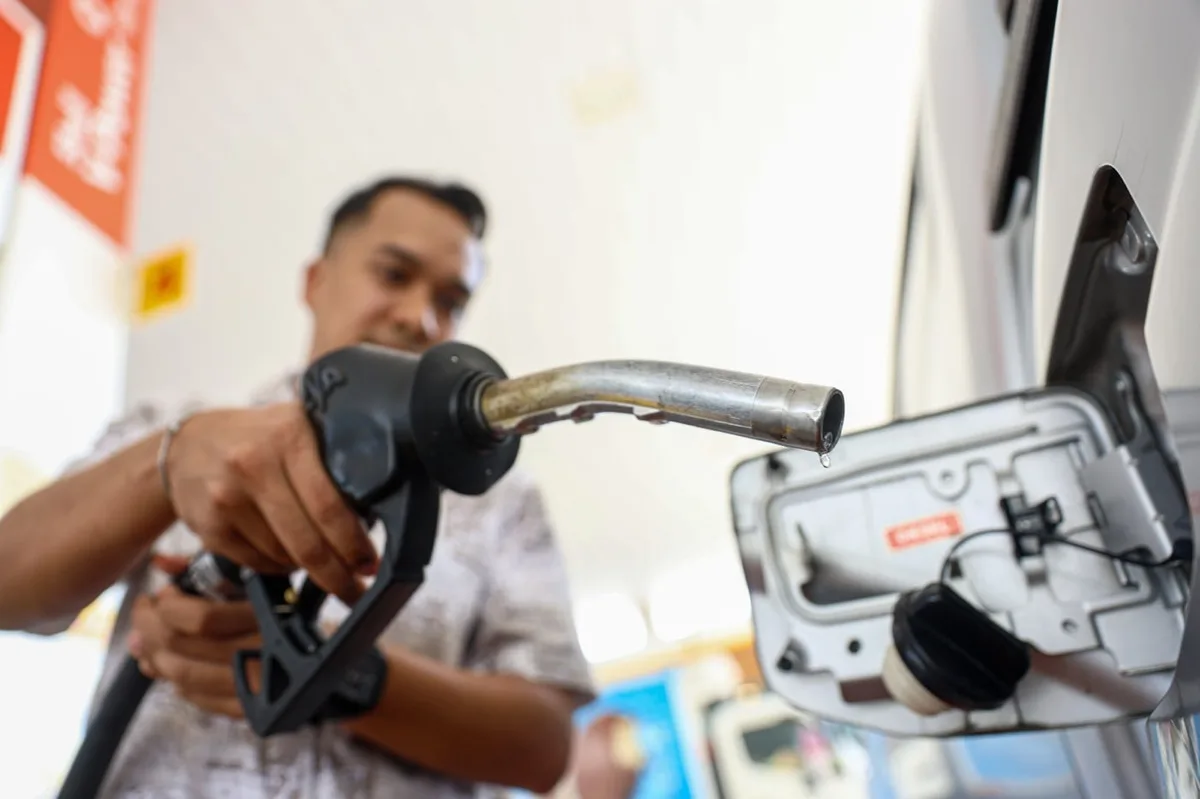
The enhanced subsidy programme, including the Budi Madani Diesel (Budi Diesel) scheme, began rolling out on July 1, 2026, targeting about 700,000 verified private diesel vehicle owners using MyKad identification [6, 4]. As of July 6, roughly 200,000 citizens had been approved for an additional 100-litre subsidised diesel quota under Budi Diesel, raising their monthly allocation for pickups and jeeps to 300 litres [1].
Prime Minister Anwar noted the cooperation from oil companies so far, saying, "I will ask the Finance Minister II (Datuk Seri Amir Hamzah Azizan) to help obtain further details and also hold discussions with the oil companies. So far, they have given their full cooperation. Otherwise, it would not have been possible for us to implement the targeted RON95 petrol and diesel subsidies effectively. If there are any shortcomings that have been highlighted, insya-Allah, we can discuss them and work towards a good solution." [1]
The government has postponed implementing the diesel subsidy reform in Sabah and Sarawak due to their higher diesel usage, longer rural distances, and fewer petrol stations compared to Peninsular Malaysia [1, 4]. According to Finance Minister II Amir Hamzah, the government continually assesses policy using data. He highlighted previous quota adjustments under a related Budi95 subsidy based on usage trends, emphasizing that changes are data-driven rather than arbitrarily made. "We will always look at what the data tells us," he said [6].
On the revenue front, the federal government’s total projected income for 2026 is RM343.1 billion. Of this, RM270.4 billion is expected from tax revenues and RM72.7 billion from non-tax sources, including an estimated RM20 billion from Petronas dividends [7, 8]. Prime Minister Anwar stressed that Petronas dividends make up only about 5-6% of the government’s revenue and that the government is not overly dependent on the oil giant’s performance [7].
The government continues to monitor Budi Diesel’s implementation and usage patterns closely, with adjustments to the subsidy expected based on ongoing data analysis and stakeholder feedback [6].