The Malaysian government will retable constitutional amendment bills during the June 2026 parliamentary session to limit the prime minister's tenure to 10 years and to separate the roles of Attorney General (AG) and Public Prosecutor (PP) [1, 2, 3].
Both bills require support from at least 148 MPs, a two-thirds majority in the 222-seat Dewan Rakyat, to pass [1, 4]. The government aims to push these amendments together without major changes to the current draft bills [2, 5, 3, 6].
The AG-PP separation bill has been the subject of multiple discussions and received bipartisan consensus within the parliamentary special select committee [1, 4, 7]. It was initially tabled in March 2026 but referred for review before the second reading and vote [4]. The committee completed its review and finalized amendments as of May 18 [4, 7].
This reform is designed to increase transparency and reduce conflicts of interest by ending the practice of the AG serving both as the government's legal advisor and as public prosecutor [1, 4]. Parliamentary committee member 谢瑞詹 said, "After six meetings, we have finalized the amendments and upcoming report... Although the reform is not complete, the consensus achieved is historic" [7].
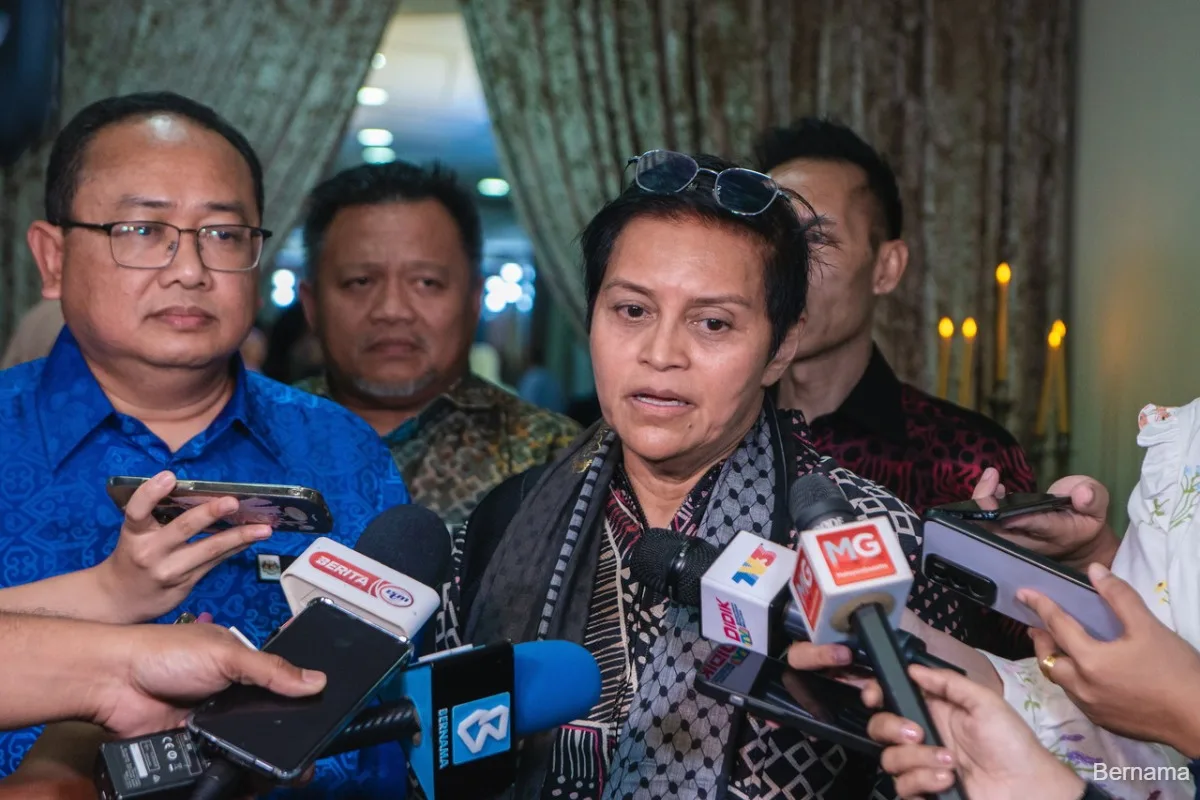
The prime minister's term limit of 10 years is a key feature of the amendments [2, 5, 3]. Government officials hope to secure broader support this time after some opposition parties had doubts previously. Datuk Seri Azalina Othman Said said, "I hope the opposition will also see it this way. Because this is not about extending power, it is about limiting power" and added, "The most important thing is for MPs to understand that this is about limiting power, not expanding it" [5, 3].
Lawmakers will reconvene on June 22 to re-table both constitutional amendment bills for their first reading in the Dewan Rakyat [1, 4]. Meanwhile, on June 16, the government will launch the Anti-Bullying Tribunal, which will operate both physically and online [2, 5, 3, 6].
Lawmakers' vote on the constitutional amendments later in June will determine whether the reforms will be adopted during the current parliamentary session.