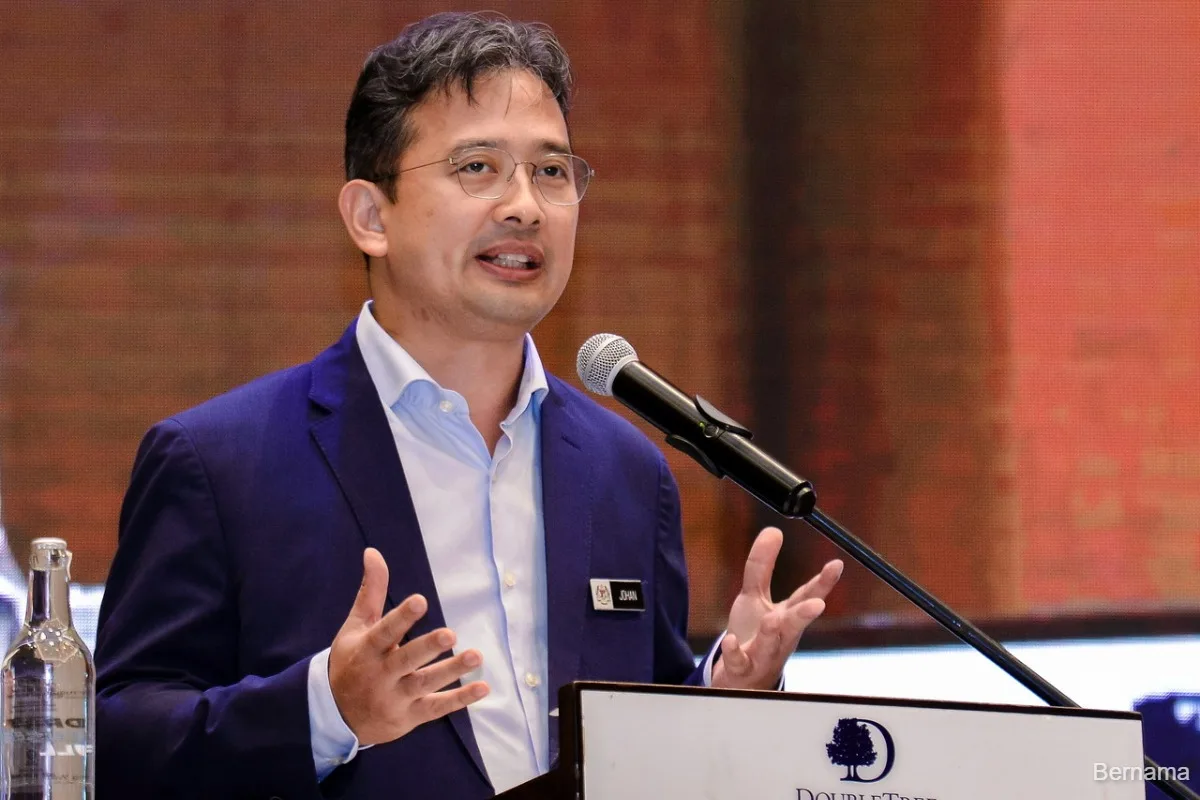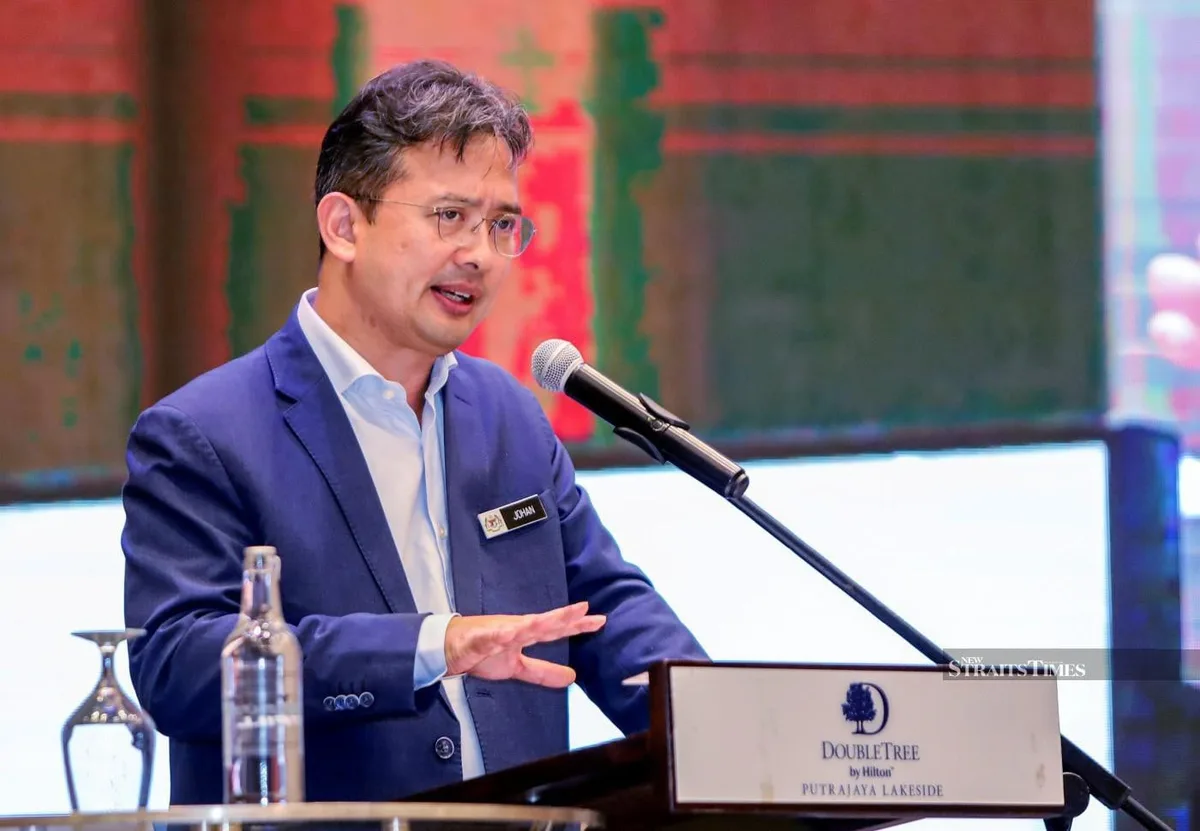
The Ministry of Finance detected repeated irregularities in government tender procurement that involve tailoring specifications to favor specific vendors, according to Treasury Secretary-General Tan Sri Johan Mahmood Merican at the Malaysian Statutory Bodies Conference held today in Putrajaya [1, 2, 3].
Tan Sri Johan said, "Now, almost all procurements are executed via tender. However, as we all know, Malaysians can be quite creative when all tenders are implemented. We are seeing many incidents where the tender looks good on paper, but after financial and technical evaluations, only one bidder remains because all the specifications were tailored toward a single vendor" [1].
While procurement is mainly done through open tenders, some procurements initially appear competitive but exclude all but one bidder after evaluations due to skewed specifications [1, 2, 3]. These irregularities have been observed repeatedly across multiple government agencies, including the Ministry of Finance itself [1, 2, 3].
Prime Minister and Finance Minister Datuk Seri Anwar Ibrahim has halted the practice of direct negotiations for tenders as part of a campaign to reform government procurement governance, Tan Sri Johan said, stressing the Prime Minister’s strict stance on the issue [1, 2, 3]. "I wouldn't mention this if it had only happened once. The MOF tracks these matters, and this is happening across various agencies, including the MOF itself. On this issue, the Prime Minister is taking a strict stand as part of the agenda to reform government procurement governance," he added [3].
The Government Procurement Bill 2025 was passed last year to strengthen accountability and enable enforcement actions beyond retirement and against senior officials, a shift from previous rules treating procurement irregularities only as administrative issues [1, 2, 3]. Tan Sri Johan noted, "Previously, procurement issues were treated as administrative matters. If someone had retired, no action could be taken. But now, even after retirement, punitive action can still be taken for irregularities. I could also face action if I commit any wrongdoing" [2].
The conference on June 15 was organized by the Association of Statutory Bodies of Malaysia together with the Malaysian Palm Oil Board and Majlis Amanah Rakyat to discuss these procurement challenges and reforms [2].