Tenaga Nasional Bhd (TNB) strengthened its position as the lead in Malaysia’s energy transition during the Energy Transition Conference 2026 (ETCon26), held June 3–5 in Kuala Lumpur with 4,000 delegates from over 60 countries attending [1, 2, 3].
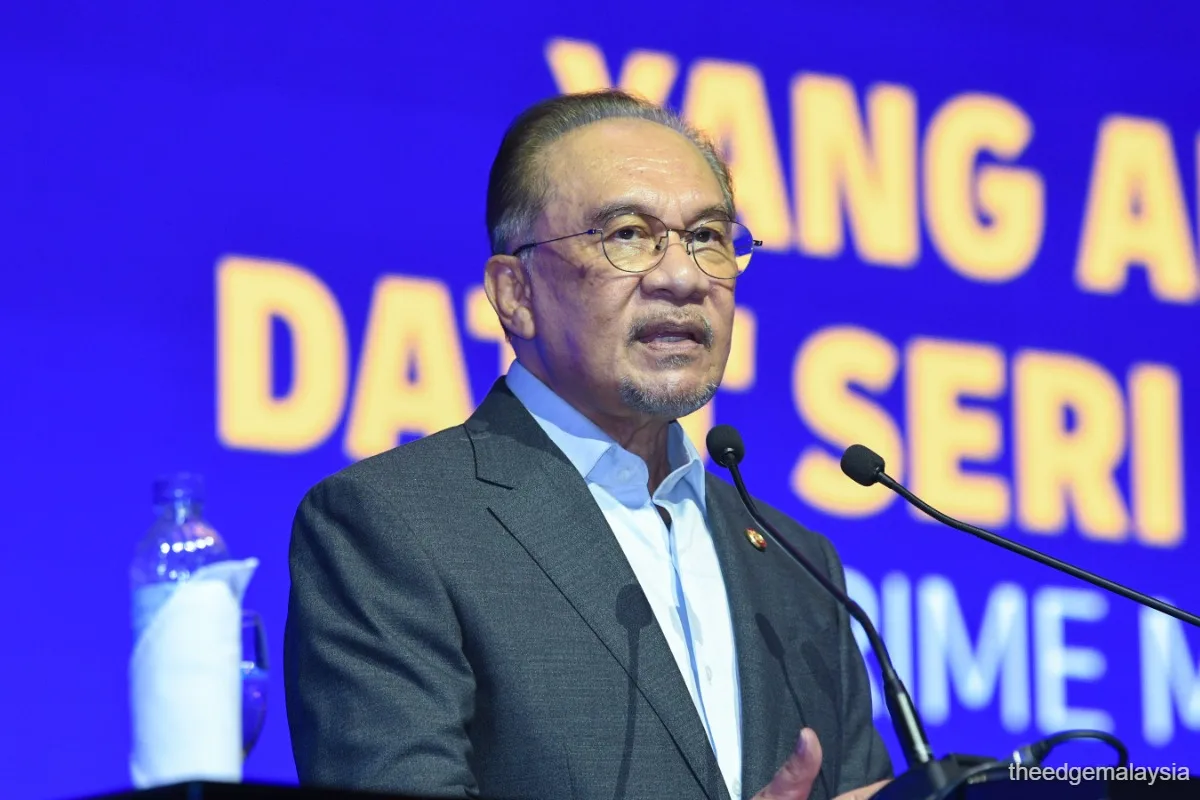
Prime Minister Datuk Seri Anwar Ibrahim expressed full confidence in TNB’s ability to guide the shift toward cleaner energy and integrate artificial intelligence (AI) and digital infrastructure growth. He said, “TNB delivered 4.3 GW of installed renewable energy capacity, contributing more than a third to the country’s total renewable energy capacity,” reinforcing the company’s key role in the national energy landscape [4, 5].
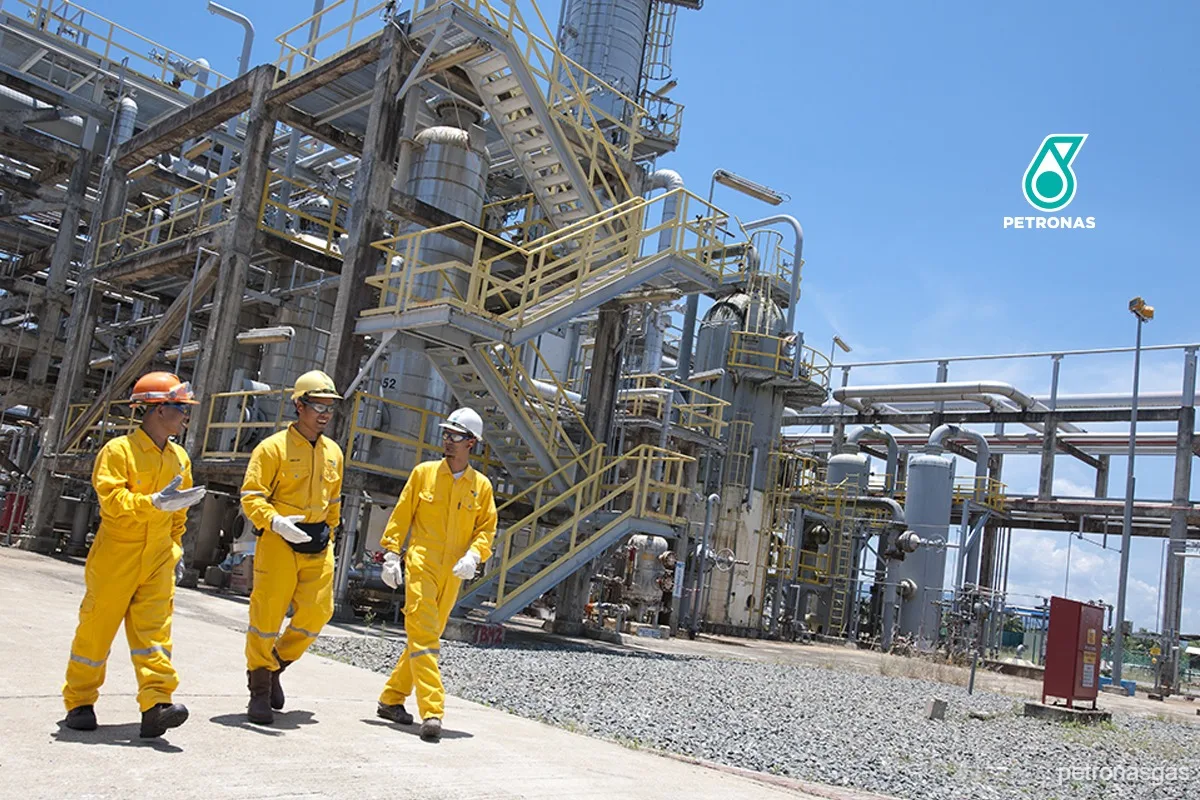
TNB and Petronas Gas signed a heads of agreement to jointly develop Malaysia’s third floating storage regasification terminal (RGT-3) in Lumut, Perak. The terminal will have an LNG storage capacity of 170,000 cubic meters and a regasification send-out capacity of 500 million standard cubic feet per day. The project is set for full LNG capacity underwriting by TNB Fuel Services starting in 2030 and will be funded through a mix of debt and equity [6, 7, 8].
At ETCon26, TNB announced two major solar projects: a 785 MWp hybrid hydro-floating solar facility—the largest in Southeast Asia—and a 750 MWp ground-mounted solar farm. The government’s RM43 billion investment under Regulatory Period 4 will support modernization of the national electricity grid to facilitate clean energy integration and data center growth [4].
Prime Minister Anwar cautioned that AI’s rapid expansion must not outpace sustainability goals. “The challenge lies in ensuring that the growth of artificial intelligence does not outpace the sustainability ambitions it is expected to support,” he said, urging a balance between technological growth and energy security that remains affordable and sustainable [9, 3]. He added, “We will deliver our promise to the rakyat that our transition will be just. Our energy will be secure. And that AI will serve this nation and our values” [5].
Economy Minister Akmal Nasrullah said the energy transition should act as a catalyst for broader economic restructuring with AI, semiconductors, and data centers as strategic areas to enhance productivity and strengthen the economy [10].
Malaysia is also developing a National Gas Roadmap to ensure energy security and grid stability, with natural gas playing a key transitional role [10]. Regional energy demand is expected to rise more than 60% by 2040, driven by urbanization, industrialization, and the growth of AI and data centers [5].
The government plans to build digital services internally to safeguard data sovereignty and develop civil service talent, with the National Digital Department coordinating these efforts through the Ministry of Digital. A government spokesperson said, “This takes into account data security and sovereignty aspects, direct access to source code, as well as talent development, particularly among civil servants” [11].
Anwar emphasized the importance of coupling technological progress with moral and spiritual development to build a Madani nation, saying, “We must master knowledge and technology, but we must never lose sight of the need to strengthen our faith, deepen our understanding, and improve our character” [12].
The Laos-Thailand-Malaysia-Singapore Power Integration Project doubled electricity trading capacity to 200 MW earlier this year, enhancing regional power integration [4]. The full commissioning timeline for the RGT-3 LNG terminal will begin with TNB underwriting capacity from 2030 onwards [6, 7, 8].