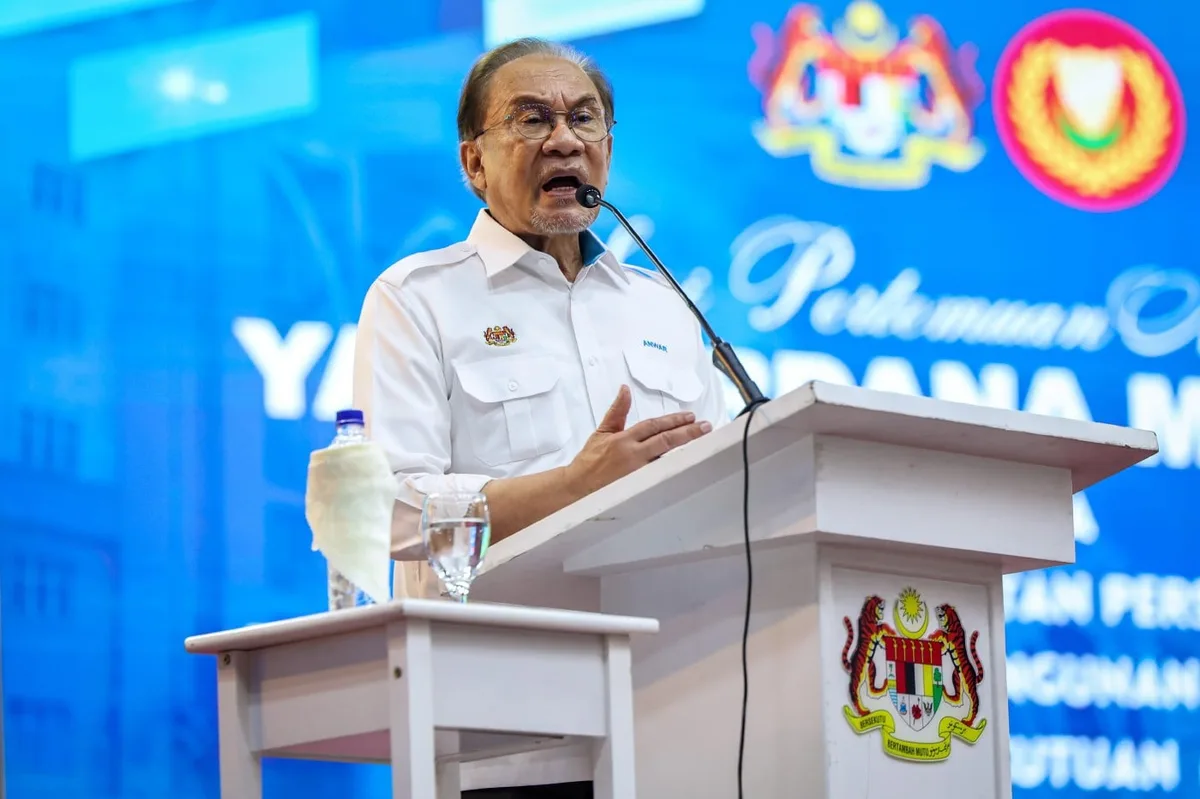
Prime Minister Datuk Seri Anwar Ibrahim publicly rejected any increase in fuel prices today, saying the government would continue to absorb fuel subsidy costs to avoid burdening Malaysians amid ongoing global supply crises [1, 2, 3, 4]. Speaking at the launch of the Madani Rakan Muda Programme in Sungai Petani, he declared, "I will not agree to that (raising fuel prices) as suggested by some economists" [2].
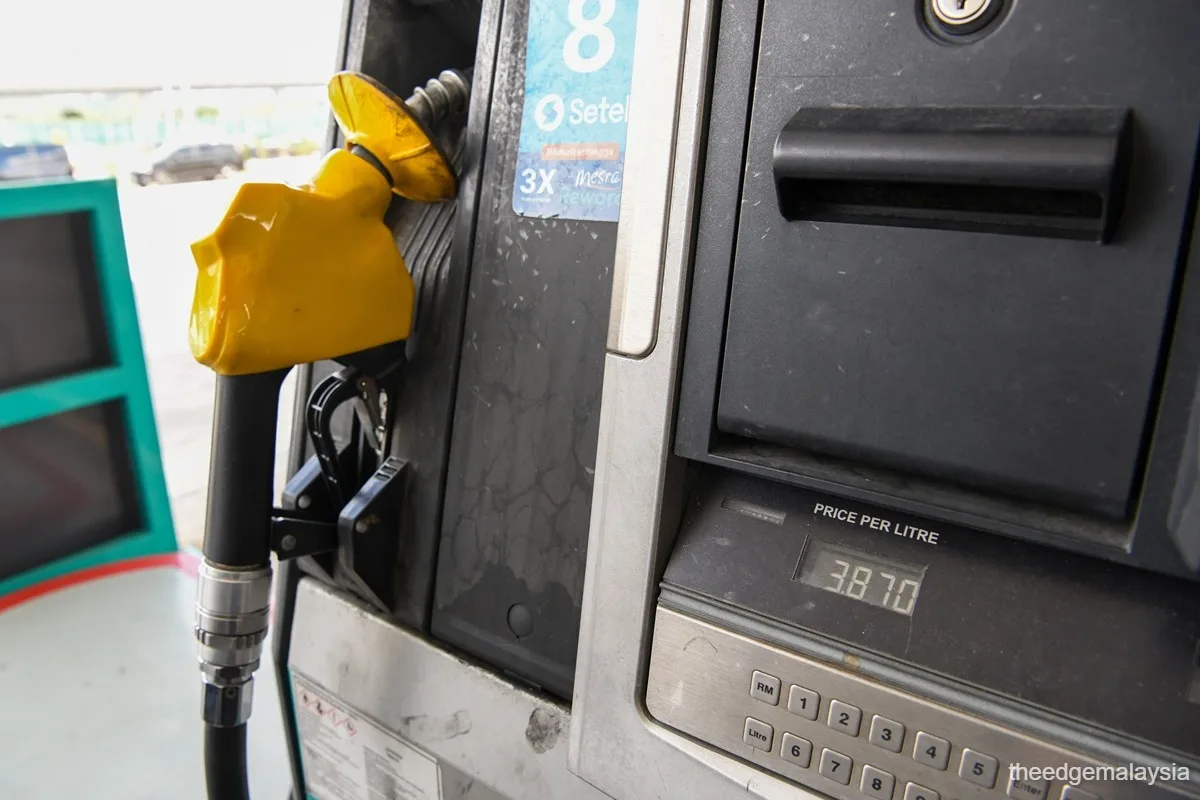
The government currently spends roughly RM3 billion to RM4 billion monthly on fuel subsidies, with peaks reaching RM7 billion during times of high oil prices [1, 2, 3, 4]. Despite the global price pressure, Malaysia’s retail price for RON95 petrol remains at RM1.99 per litre, placing it among the lowest fuel prices worldwide [1, 2, 3, 4].
Anwar also emphasized fiscal prudence by rejecting borrowing or new debt to fund the subsidies. "If they ask for debt, I can go into debt now, but after I leave the government, the children will have to bear it. That is why the solution is not debt, so we do what we can," he said [1, 3]. Instead, he stressed austerity measures and efforts to prevent misuse of government funds.
In addition to his comments on fuel pricing, Anwar announced a RM2 million allocation for building the Padang Awam Multipurpose Hall in Taman Keladi, reflecting ongoing community investment commitments [1, 3].
Responding to accusations of postponing Parliament's dissolution to cling to power, Anwar dismissed the claims, stating he is focused on stability and growth. "I am not postponing the election because I want to remain in power, but because I want to ensure that the country's economy continues to grow and the people benefit," he said [4].
The government is also pursuing efforts to strengthen the economy, attract high-technology investments, and maintain cooperative relations with all state governments, including those led by the opposition [4].
Anwar’s announcement today sets the tone for Malaysia’s fuel policy amid economic challenges, with no immediate plans to alter subsidy levels or fuel prices while balancing fiscal responsibility and public support [1, 3].