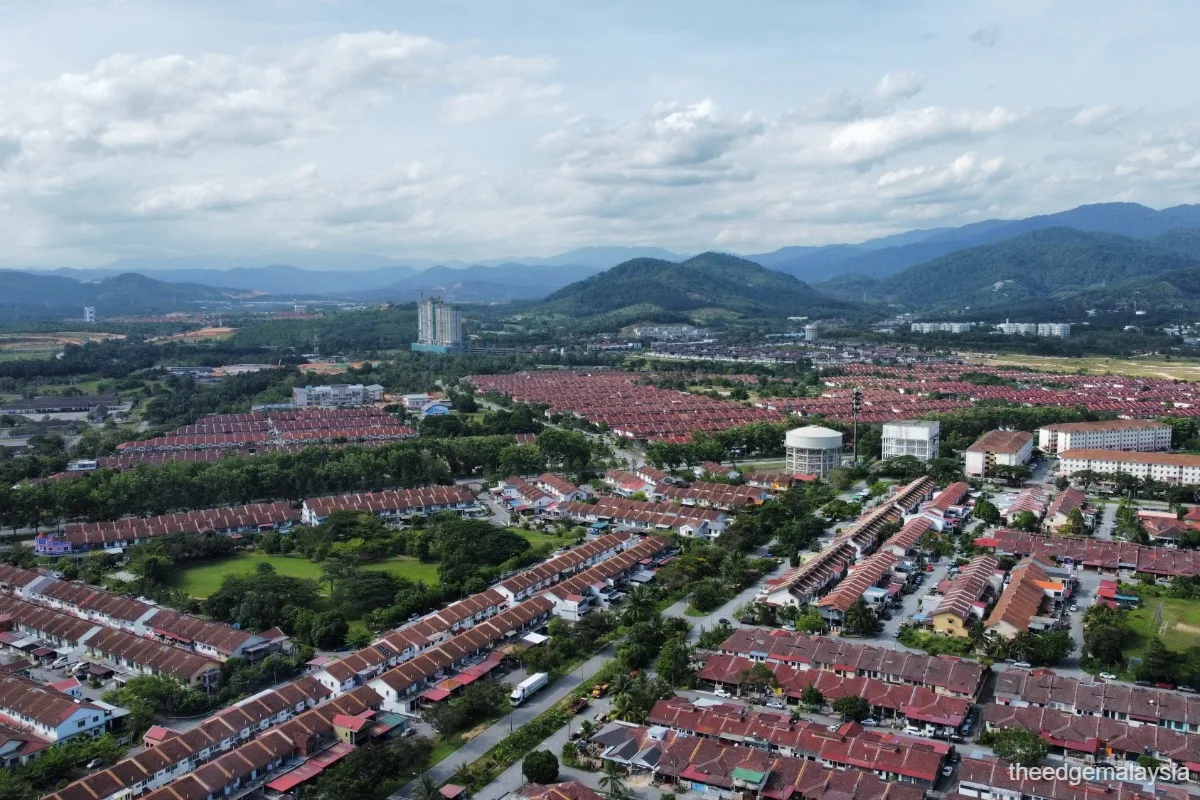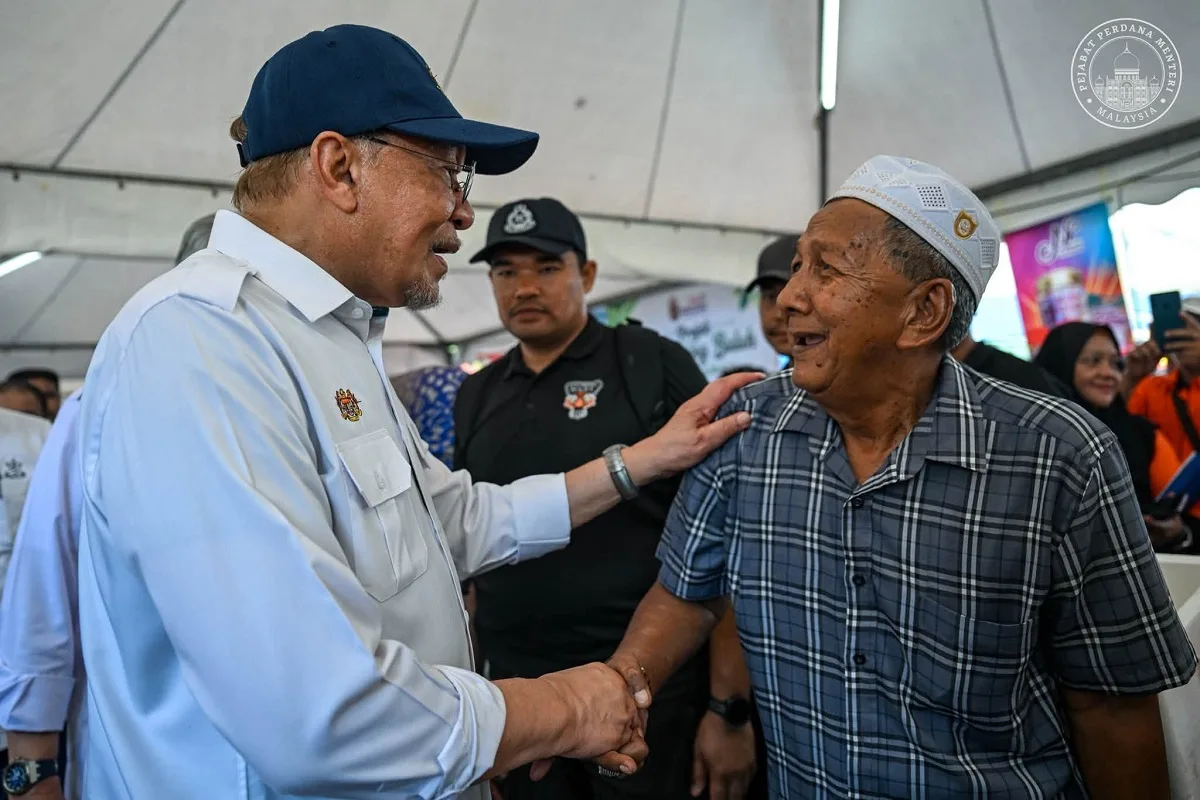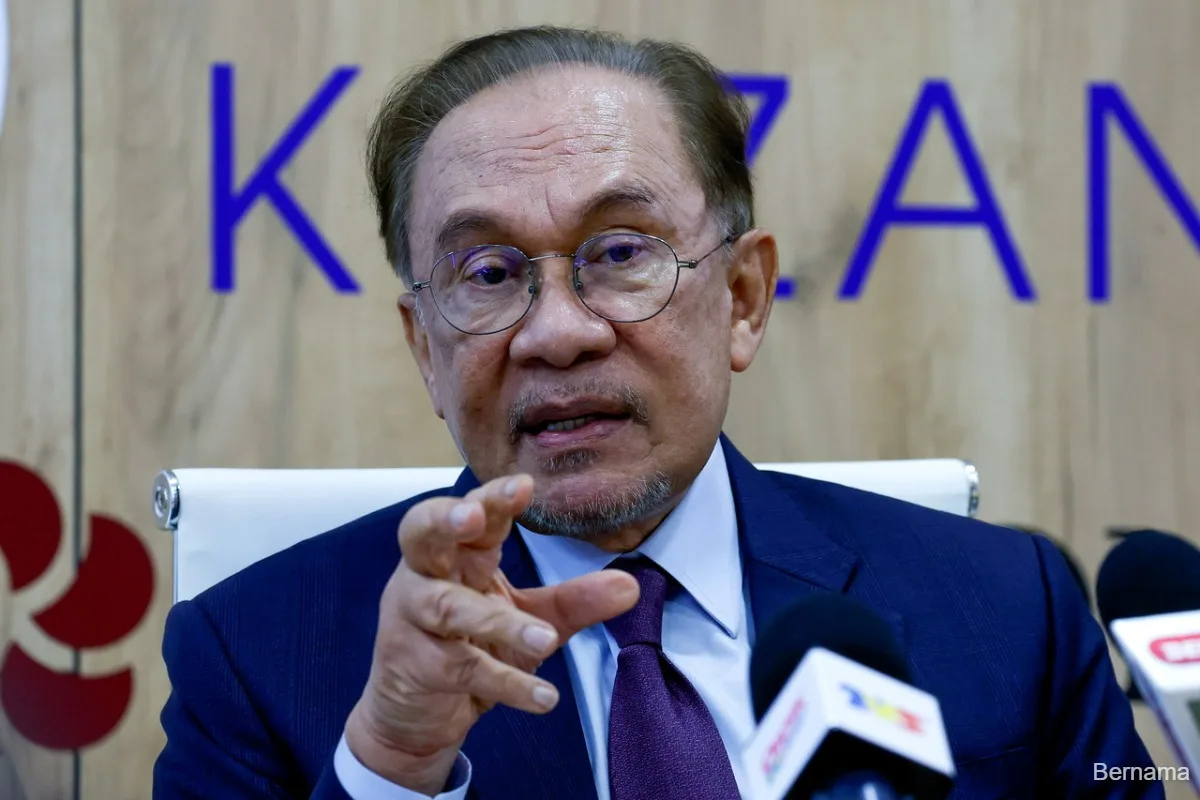
Prime Minister Datuk Seri Anwar Ibrahim announced plans to address long-standing housing problems faced by the second generation of Felda settlers during a public meeting in Segamat on July 5, 2026 [1, 2]. He emphasized a guaranteed protection of housing sites and pledged to resolve decades-old issues affecting the community. "Our policy decision is to find a solution to ensure there is protection and a guarantee of housing sites for the second generation of Felda settlers. That is our policy," he said [1].
Anwar revealed the government will seek amendments to the Land (Group Settlement Areas) Act 1960 to allow multiple houses on a single Felda residential lot. Draft amendments are expected within two months and slated for parliamentary debate later this year [3, 4, 5, 6]. "We have identified key strategic initiatives to address the new-generation housing issue," Anwar said, highlighting the legal changes as critical to orderly development [4].
As of December 31, 2025, approximately 8,000 homes under the two houses on one lot (2R1L) concept were completed and occupied. The government will grant immediate approval for water and electricity connections to these homes while legal amendments are being finalized [3, 4, 5, 6]. Anwar stated, "At present, about 8,000 houses have already been built on individual lots and have been occupied since Dec 31, 2025. While the legal amendments are being finalised, we will grant immediate approval for water and electricity connections to these homes." [3]
The Felda New Generation Housing Project (PGBF), initiated in 2013, includes 8,224 units across 43 sites in seven states. Around 30% of units are completed, with another 31% under construction [3, 6]. The government will allocate an additional RM150 million to complete 554 abandoned units, requiring biweekly progress reports and coordination with state authorities and utilities to hasten delivery [5].
Additional housing support includes 1,700 low-cost civil servant units approved and already under construction in states including Johor [7, 2]. To tackle rising house prices in Johor Bahru, the government backed the Rumah Madani scheme, offering units priced at RM300,000 or below for young buyers, including Felda families [1, 2].
Funding commitments include RM450 million over three years to repair and build new Felda officer houses, plus RM20 million for the Felda Sentuhan Kasih agriculture project at two sites with ongoing but underfunded developments [5, 8].
Seven incentives spanning housing, education, healthcare, digital literacy, welfare, and finance were unveiled, including a RM990 million grant to finance Sukuk loan repayments and clear settlers’ debts [4, 5, 8]. A dedicated committee will be formed to resolve legacy issues, while the crude palm oil sales model will revert to its original format pre-Felda Global Ventures listing, potentially boosting settlers’ cooperative income by an estimated RM42 million [8].
To improve digital skills, the government plans collaborations with the Ministry of Communications and Digital Ministry, supported by expanding the National Digital Network infrastructure [5, 8].
Anwar will meet Felda management on July 6 to further discuss housing concerns and aims to convene within a month a meeting with Sarawak's premier and several Menteri Besars and Chief Ministers to coordinate Felda housing efforts across states [1, 9, 2]. He has called on all menteri besars to attend, acknowledging uncertainty about Johor's leadership after elections but urging participation regardless [1].
The government’s policy to secure land for second-generation settlers has been in place since late 2025, though election restrictions have delayed detailed rollouts [1, 9, 2]. Anwar urged patience for new construction until legal amendments finalize, stating, "Allow time for the proposed amendments to be finalised to ensure that land ownership rights in Felda schemes are managed in a more orderly and well-planned manner." [5]