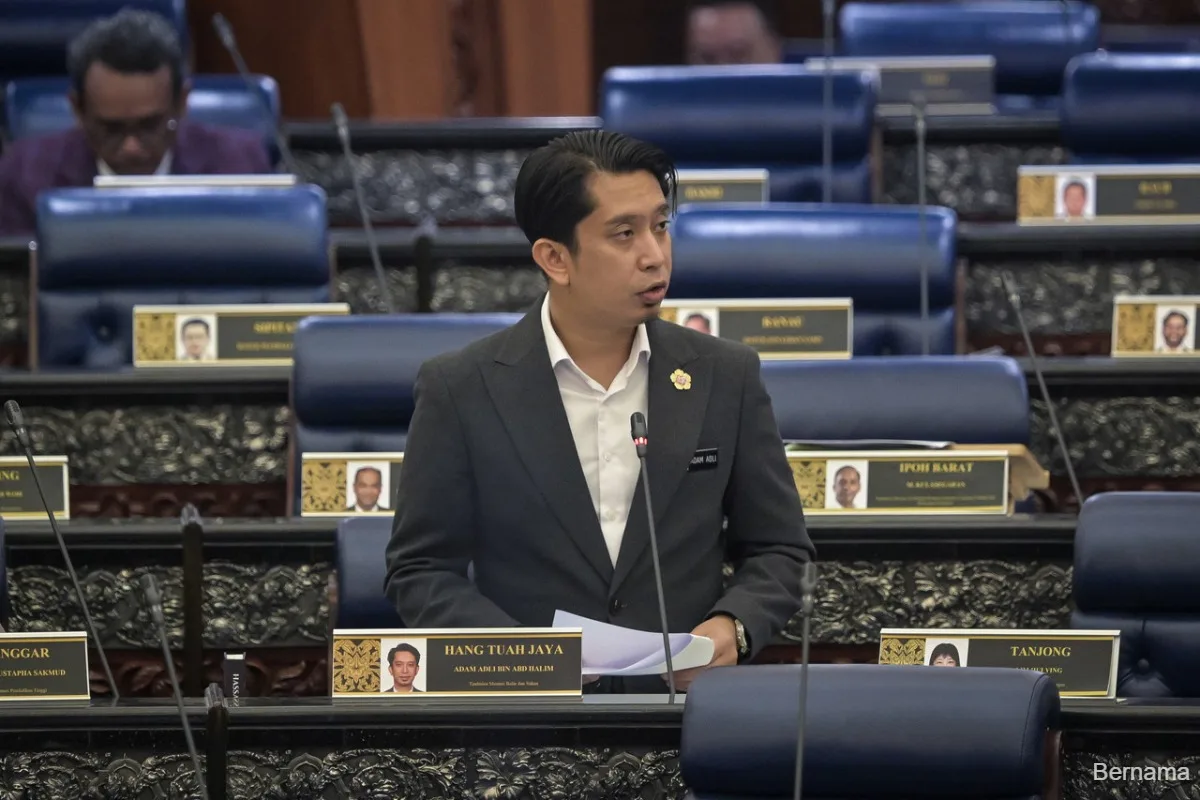
Deputy Higher Education Minister Adam Adli Abdul Halim stated on June 25, 2026, that Malaysian public university admissions adhere strictly to established criteria tied to the national education system and are unaffected by political influences or backdoor channels [1, 2]. He emphasized, "We have never said that the involvement or acceptance of UEC (holders) is based entirely on that single system. On the contrary, it must align with the existing national education system, not any external framework. University admission has never been dictated by political sentiments or personal preferences. There are specific criteria and merit eligibility that must be adhered to, particularly those grounded in our education system" [2]. The government has consistently maintained that no special admission pathways or relaxed requirements exist for Unified Examination Certificate (UEC) holders to enter public universities [1, 2].
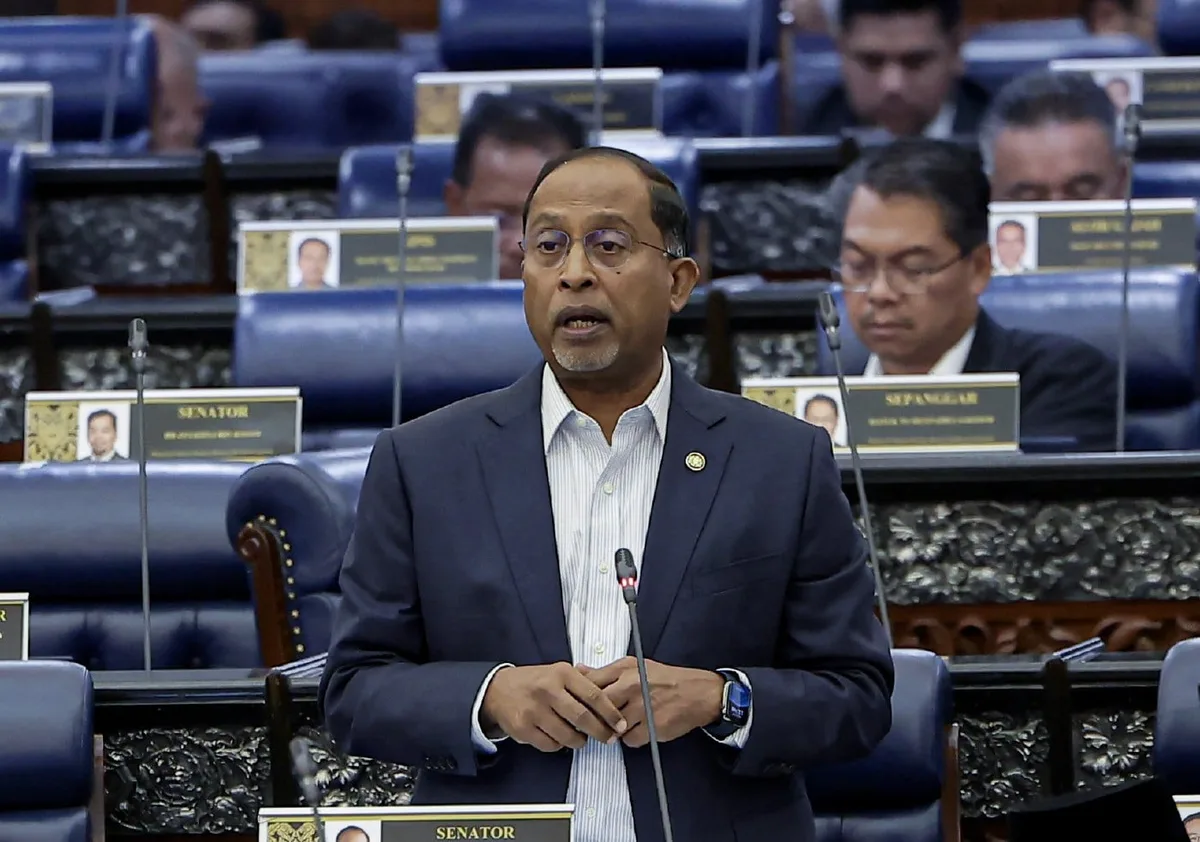
Higher Education Minister Datuk Seri Dr Zambry Abdul Kadir also denied claims of backdoor admissions and selling of university placements in Malaysia's public university system. He stressed that admissions are based on academic merit, program requirements, capacity, accreditation, and professional body standards. "There is no such thing as 'selling places' in Malaysia's public university admission system. Admissions are subject to academic merit, programme-specific requirements, programme capacity, accreditation standards and professional body requirements. No individual can determine admissions on their own. Every decision goes through a process with strict checks and balances," he said [3].
The admission process involves university boards, senates, academic and admissions committees with internal and external audits to ensure transparency and fairness [3]. While the UPUOnline system remains the primary route for applicants, legitimate admission pathways also include international programs, professional courses, industry collaborations, market-rate fee programs, and options for international students and working adults [3].
Statistics show strong outcomes for higher education in Malaysia. Over the past three years, 873,765 Malaysians graduated from higher education institutions including public universities, polytechnics, community colleges, and private colleges [1, 2]. Graduate employment rates improved from 90.9% in 2023 to 92.5% in 2024, with growth in job quality and high-skilled employment [1, 2]. The share of first-degree graduates earning monthly salaries of RM3,001 to RM4,000 rose from 22.7% in 2024 to 23.8% in 2025 [1, 2]. Meanwhile, employment of diploma holders and above in skilled professions increased from 68.3% in 2023 to 72.1% in 2025 [1, 2].
For the 2025/2026 intake, 109,866 applicants met minimum requirements via UPUOnline, with 78,883 offers issued based on program capacity and merit eligibility [3]. The ministry continues to stress merit and established criteria as the sole basis for public university admissions.