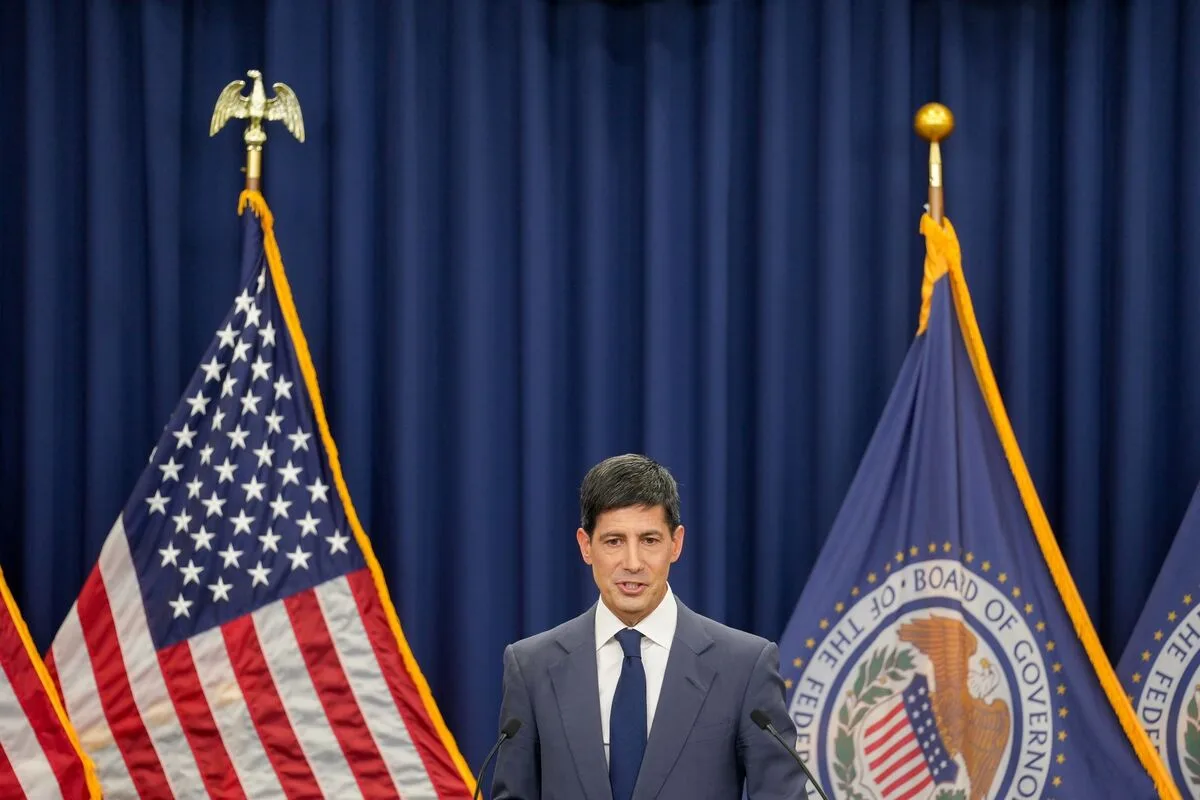
The US Federal Reserve held interest rates steady but indicated a hawkish stance with expectations of a hike later in 2026. Fed Chair Kevin Warsh, who began his term with a broad policy review, emphasized the commitment to reducing inflation to target levels [1, 2, 3, 4, 5].
The US dollar responded sharply to the Fed’s tone. The US dollar index rose to a one-year peak of around 100.2, driven by growing demand from currency traders and hedge funds buying dollar call options who bet on further dollar strength [1, 2, 4, 5]. On June 19, following Warsh’s hawkish comments, traders ramped up their bets on a stronger dollar [1].
Emerging Asian currencies weakened broadly against the rising dollar. The Malaysian ringgit notably hit a six-month low of 4.089 to the US dollar amid rising US Treasury yields and the Fed’s hawkish signal [2, 6]. Lloyd Chan, senior currency analyst at MUFG, said, “We will continue to see Asian currency markets continue to price in a higher for longer U.S. rate environment. A higher-for-longer US rates environment is a headwind, particularly for low-yielding currencies.” [2]
The ringgit’s weakness followed earlier gains on June 15-16, when the currency benefited from improved risk sentiment due to prospects of a US-Iran peace deal and falling crude oil prices. Bank Muamalat Malaysia Bhd chief economist Dr Mohd Afzanizam Abdul Rashid noted that momentum in the peace talks, with a memorandum of understanding expected on June 19, lifted market mood and raised hopes for reopening of the Strait of Hormuz, an important oil shipping route [7, 8, 9, 6]. However, on June 16, the Bank of Japan’s 25 basis point rate hike to 1.00% contributed to caution among investors and pressured the ringgit further [10]. Dr Rashid said the BOJ move came amid rising inflation and stronger economic growth, making its previous accommodative policy inappropriate [10].
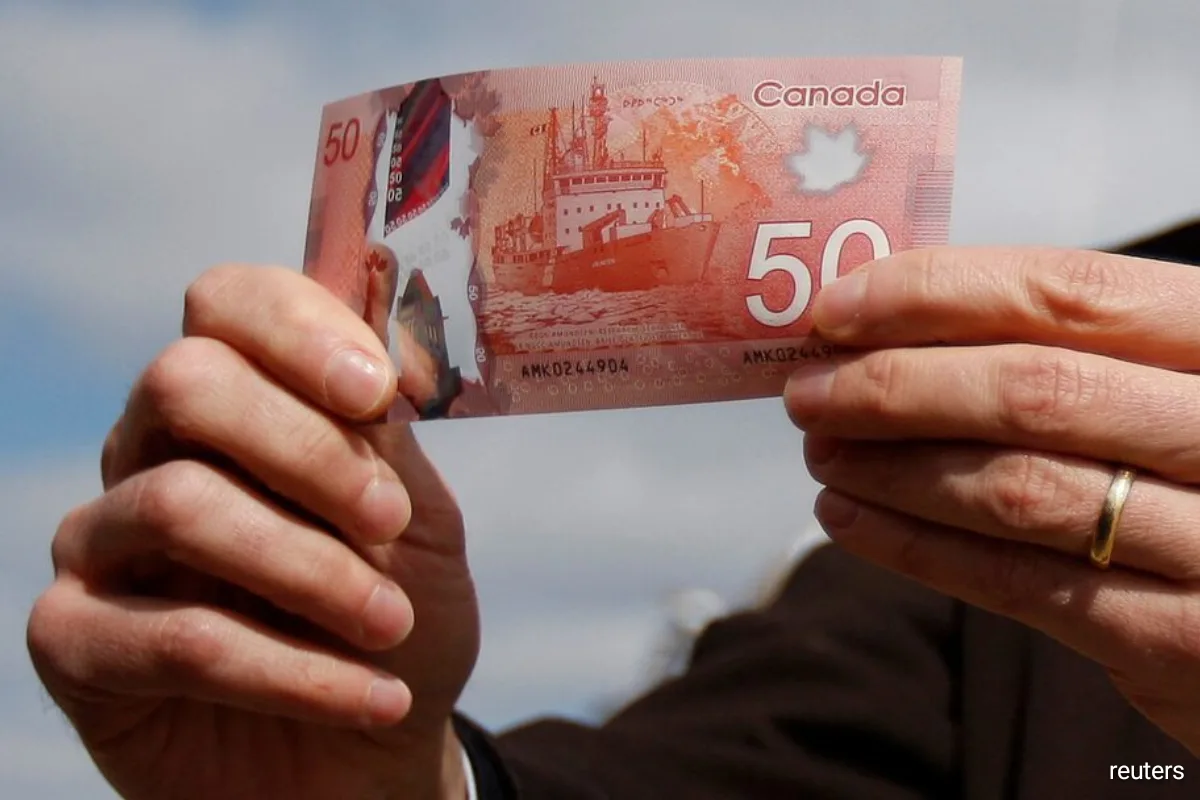
The Canadian dollar also fell to a 14-month low of 1.4146 versus the US dollar amid widened US-Canada bond yield spreads and declining oil prices following the Fed’s hawkish shift, with Karl Schamotta of Corpay noting, “Every major currency is down against the greenback as traders ignore domestic developments and follow rate differentials.” [11]
Citigroup pushed back its forecast for US rate cuts from September to October 2026, reflecting the Fed’s tougher stance [3]. Despite Wall Street selloffs after Fed Chair Warsh’s first meeting, Bursa Malaysia rose 8.82 points to 1,718.81 on June 18, supported by buying in heavyweight stocks. Rakuten Trade’s Thong Pak Leng said, “Buying in the domestic market was broad-based, though the focus was mainly on index-linked laggards, particularly telecommunications stocks.” [12]
On June 20, investors remain focused on the evolving US Federal Reserve policy path and global geopolitical developments, particularly the expected US-Iran memorandum of understanding, while monitoring regional currency movements and Treasury yields.