The United States and Iran agreed to extend a ceasefire and reopen the Strait of Hormuz for 60 days to hold further negotiations, marking an interim step toward peace in the region [1, 2, 3, 4]. Details of the agreement remain scarce, and a permanent truce has yet to be negotiated. Key issues, including Iran’s nuclear program, will be addressed in later talks [1, 5, 2, 6, 7]. Westpac analysts said the deal “should remove a key source of market volatility,” but warned its durability is likely to be tested as many sticking points remain [5].
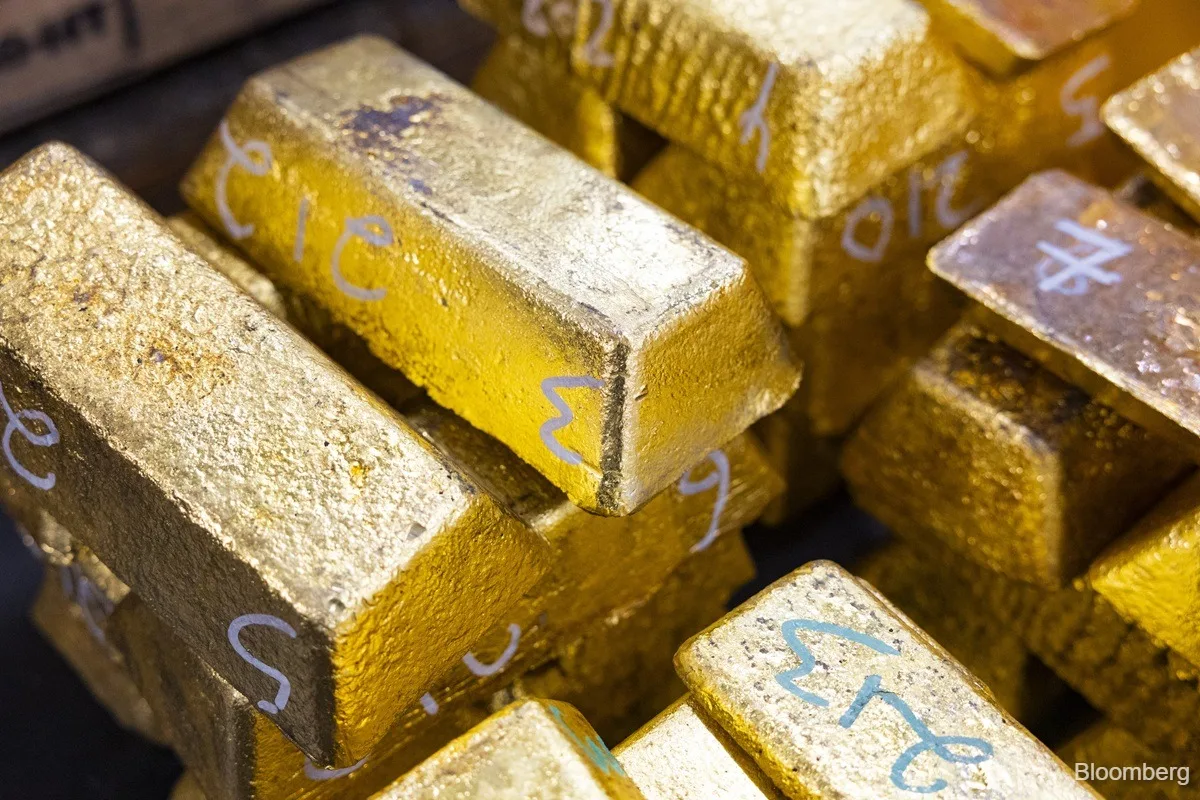
On June 15, Malaysian equities rose sharply, led by banking and technology stocks, buoyed by optimism around AI and growth themes following the SpaceX market debut [1, 6]. The FBM KLCI index hit an intraday high of 1,697.48 that day [1]. However, Asian markets tempered gains the following day amid caution over the deal’s longevity. Oil prices fell to a three-month low on peace hopes but showed cautious rebounds amid skepticism about Strait of Hormuz transit normalization [1, 5, 6, 7]. Gold prices climbed above a one-week high on June 15 but steadied as investors awaited more details [2].
In Japan, the Nikkei 225 surged past 70,000 on June 17 and broke through 71,000 on June 18, hitting an intraday high of 71,398.58 [3, 8, 4]. The rise was driven by eased Middle East tensions and strength in AI and semiconductor stocks. Takayuki Miyajima, senior economist at Sony Financial Group, said the Nikkei’s gains reflect “growth expectations for AI and semiconductor-related stocks” and noted falling crude prices and hopes for Middle East improvement as market tailwinds [4].
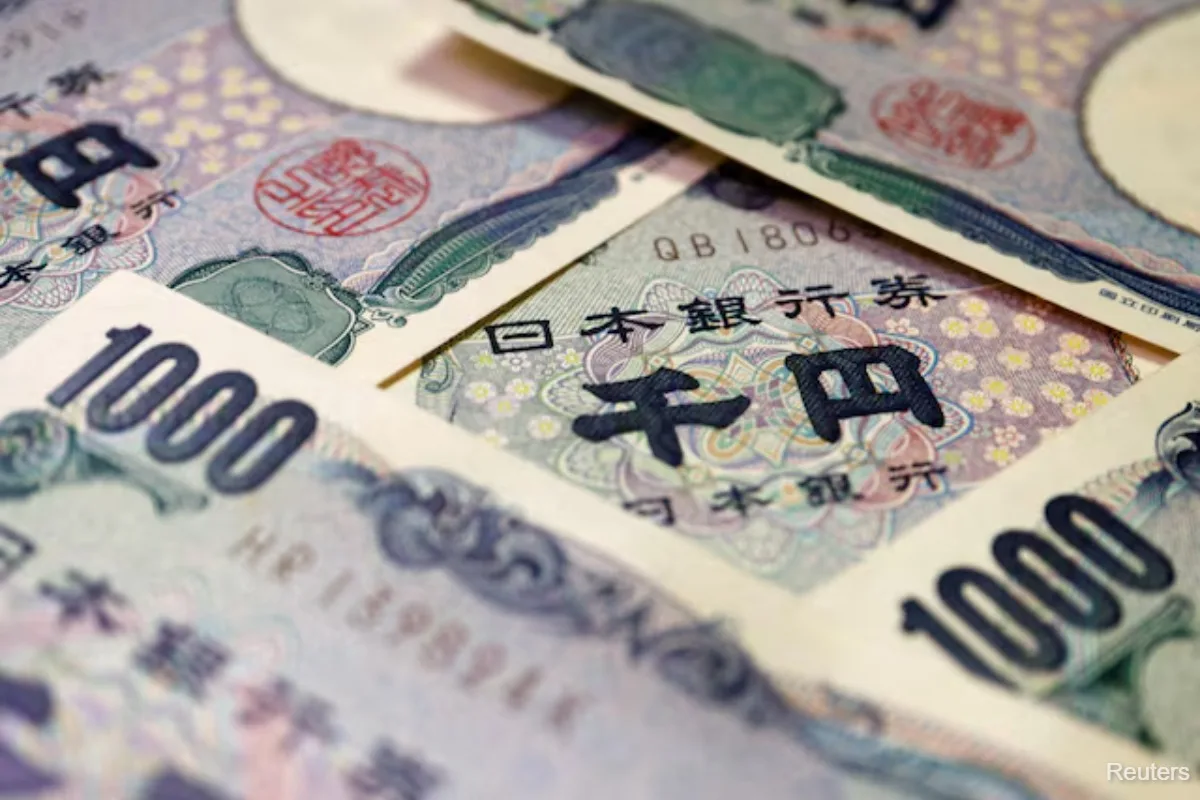
The Bank of Japan raised interest rates to 1.00% on June 18, its highest level since 1995, but the Japanese yen continued weakening against the dollar [5, 9, 7, 8, 4]. By June 19, the yen traded near a 40-year low at 161.81 yen per US dollar despite intervention efforts [9, 10, 11, 12]. The government spent around 11.7 trillion yen (~US$72.87 billion) between April and May trying to stabilize the currency [9, 10, 11, 12]. Finance Minister Satsuki Katayama said, "We are ready to respond appropriately to currency moves as needed at any time" [9]. Bank of Japan Deputy Governor Ryozo Himino explained that while monetary policy does not target exchange rates, they are monitoring the effects of volatility on inflation and the economy closely [10].
The yen’s decline is attributed to structural factors, including wide interest rate differentials favoring the US dollar, carry trades, and weak BOJ policy despite recent rate hikes [9, 10, 11, 12].
Focus now turns to how the US-Iran talks will proceed during the 60-day ceasefire window and whether progress can be made on unresolved issues. Asian markets and the yen remain sensitive to developments in these diplomatic and monetary areas.