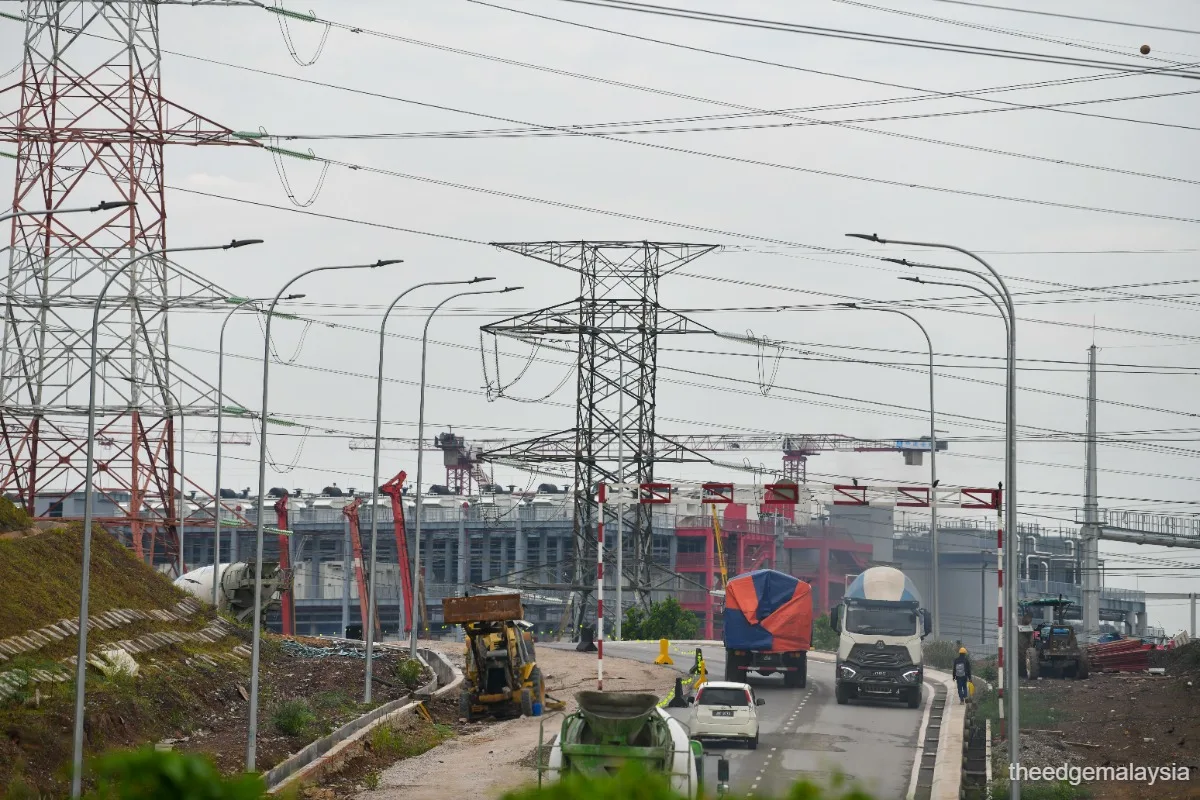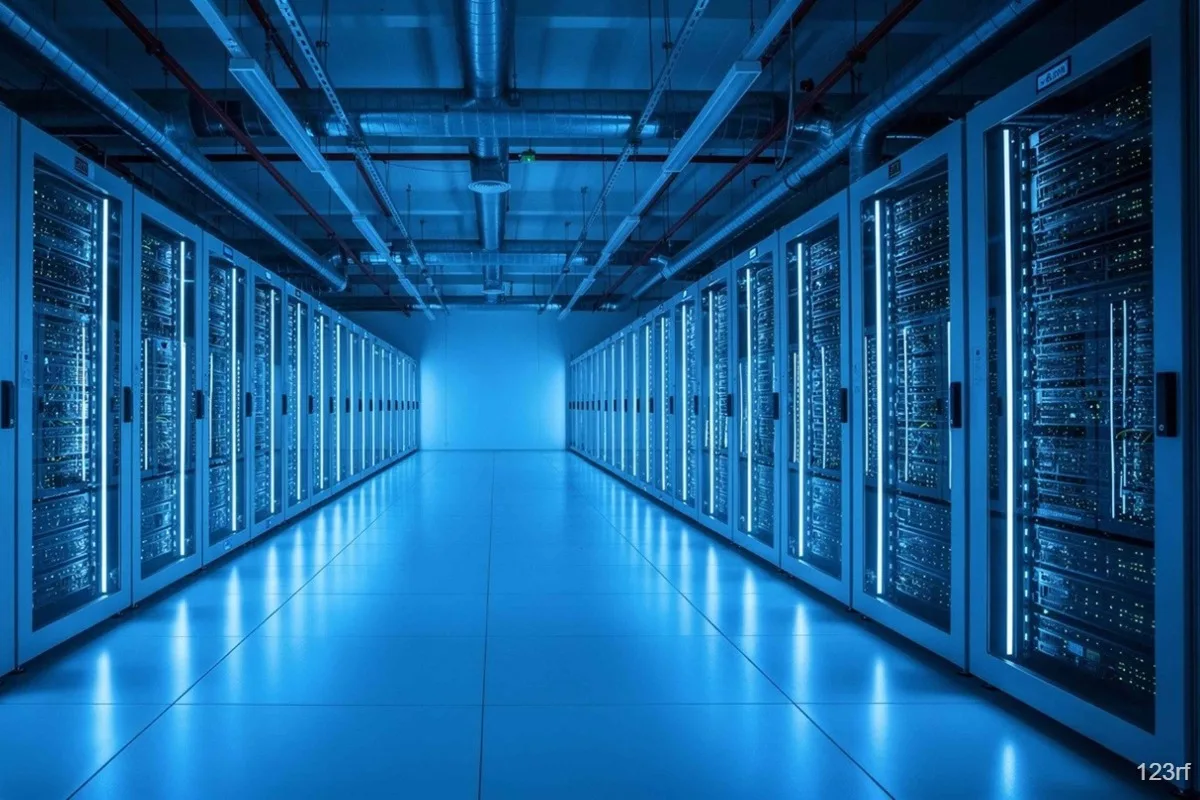
Malaysia's data centres need more than US$20 billion (about RM81.8 billion) for powered shells and equipment over the next three years, based on plans to add around two gigawatts of capacity, S&P Global Ratings reported in July 2026 [1, 2]. Including chip procurement, total funding requirements could be one to four times higher. This figure likely exceeds the assumed US$30 billion sector concentration limit of Malaysia’s domestic banks, which raises concerns about financing availability for data centre projects and chips over the coming years. "Even if there were a fresh US$30 billion limit, it may not be sufficient to fund data centre projects and the chips over the next three years," S&P Global Ratings said [1].
Electricity demand from data centres in Peninsular Malaysia currently accounts for about 7% of total usage but is expected to jump to 31% by 2035 as capacity grows rapidly [3, 4]. In 2025, approved data centre capacity was 1,550 megawatts, though actual consumption was only 54-55% or roughly 850 MW, indicating some unused capacity [3, 4]. The power grid faces tightening margins amid rising peak demand and planned outages. On June 8, 2026, Peninsular Malaysia recorded a peak grid demand of 21,583 MW against an installed generation capacity of 28,192 MW, narrowing the reserve margin to about 13% [3]. Such pressure requires careful management to avoid supply disruptions as data centre load increases.
To curb speculative over-allocation and resource waste, Malaysian regulators are imposing stricter rules on data centre operators. These include enhanced utility tariffs, power and water usage effectiveness thresholds, and utilisation requirements. The state of Johor, a leading data centre hub, has blocked approvals for less efficient Tier 1 and Tier 2 facilities, which consume significantly more water, and enforces tight sustainability standards [4]. Operators must declare annual power demand and face penalties of RM8.50 per kilowatt per month if they fail to meet at least 85% electricity utilisation over their first four years [4].
Malaysia's power costs are slightly above average within Southeast Asia, though construction costs remain competitive. The country's strategic location near Singapore, strong connectivity, and expanding power and water infrastructure help maintain its attractiveness as a regional data centre hub. S&P Global Ratings said, "Despite this, we believe demand is unlikely to shift from Malaysia to neighbouring countries on cost alone. Malaysia's strategic location remains its largest advantage" [2].
S&P Global Ratings projects Malaysia will nearly triple data centre capacity by 2030 despite these challenges [1, 2]. The latest detailed funding assessment was published on July 20, 2026, highlighting the urgent need for a funding reset and increased focus on sustainability to support the sector's growth [1, 2].