Malaysia's Ministry of Economy announced on May 21 that it is studying a new approach to determine eligibility for public aid and subsidies. The approach is based on the Basic Expenditure of Decent Living concept, known as PAKW, which factors in household expenses such as residential location, number of dependents, and financial responsibilities rather than relying solely on the existing B40, M40, and T20 income group classifications [1, 2, 3, 4, 5, 6].
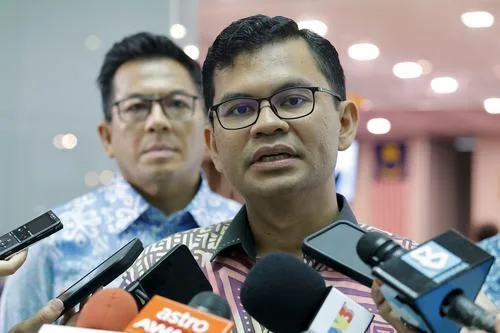
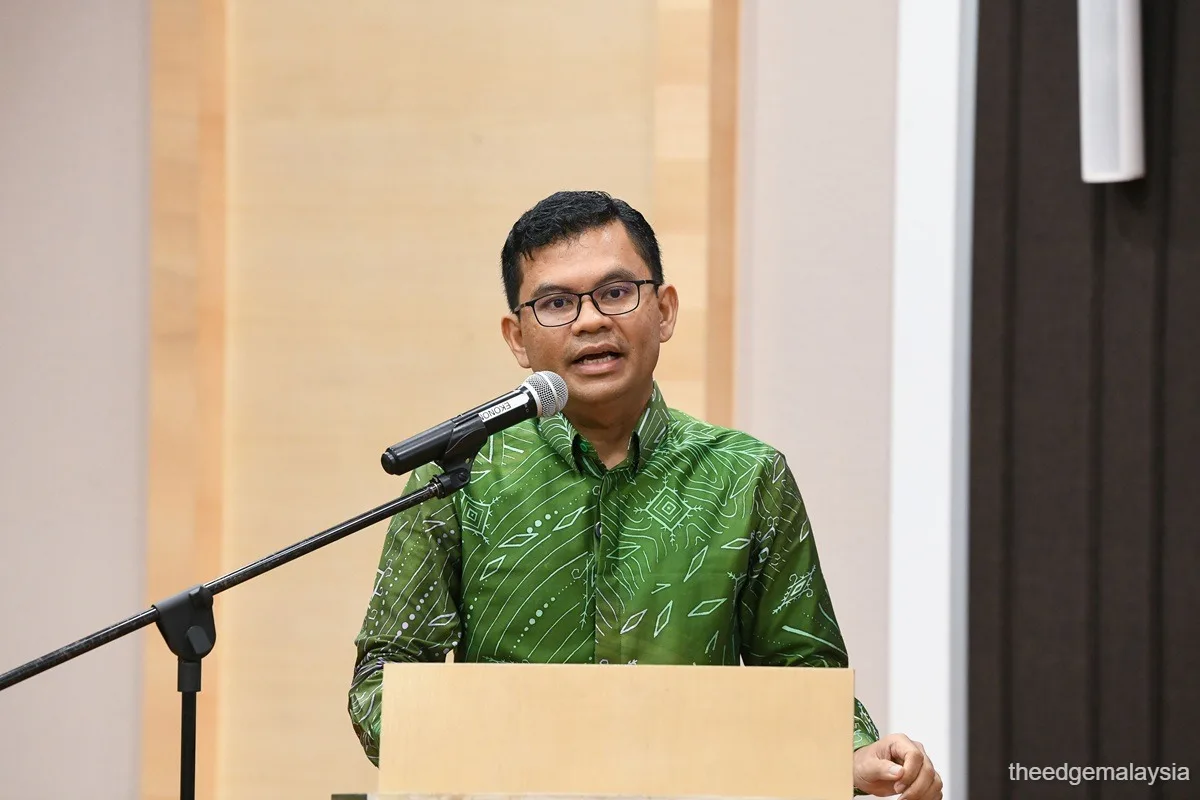
Economy Minister Akmal Nasrullah Mohd Nasir said the new method aims to reflect actual household financial conditions more accurately. "We are bringing forward discussions on how to assess people’s living capacity not solely based on income. The income earned must take into account the basic expenditures needed for an individual or household to sustain a reasonable standard of living," he said [1]. Nasir explained that relying solely on income groups can be misleading because "one family may have a different PAKW assessment even though they earn the same salary. That is why comparisons based solely on income are sometimes not an apples-to-apples comparison" [6].
The Ministry has not made any final decisions to replace the existing income-based groupings. The proposal is still under discussion and requires consensus across government bodies, including Cabinet and the National Economic Action Council (MTEN) [1, 2, 3, 4, 5, 6]. Simulations of the PAKW approach use data from the Central Database Hub (Padu) system to calculate net disposable income after accounting for household commitments [2, 3, 5, 6].
The effort to revisit subsidy eligibility criteria comes amid ongoing global economic challenges that may increase cost-of-living pressures. "The current global crisis is seen as a catalyst to strengthen the national economy, emphasizing high-value industries and energy transition, as well as adopting more inclusive aid approaches," Nasir stated [3]. Alongside subsidy reforms, the government highlights growth in sectors like semiconductors and advanced packaging amid geopolitical uncertainties [2, 3, 5].
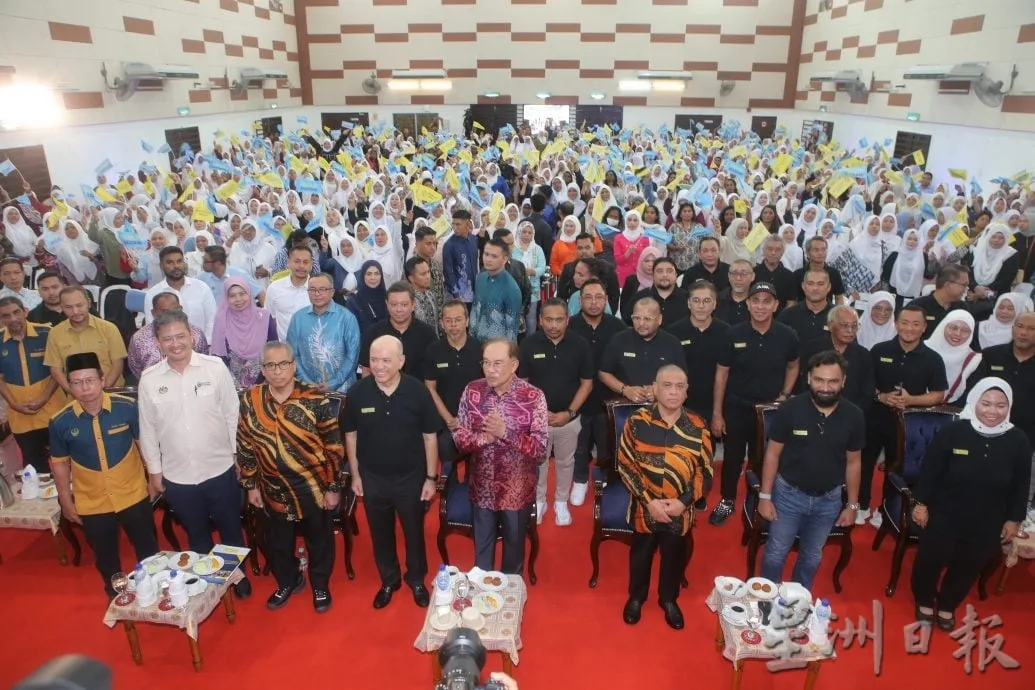
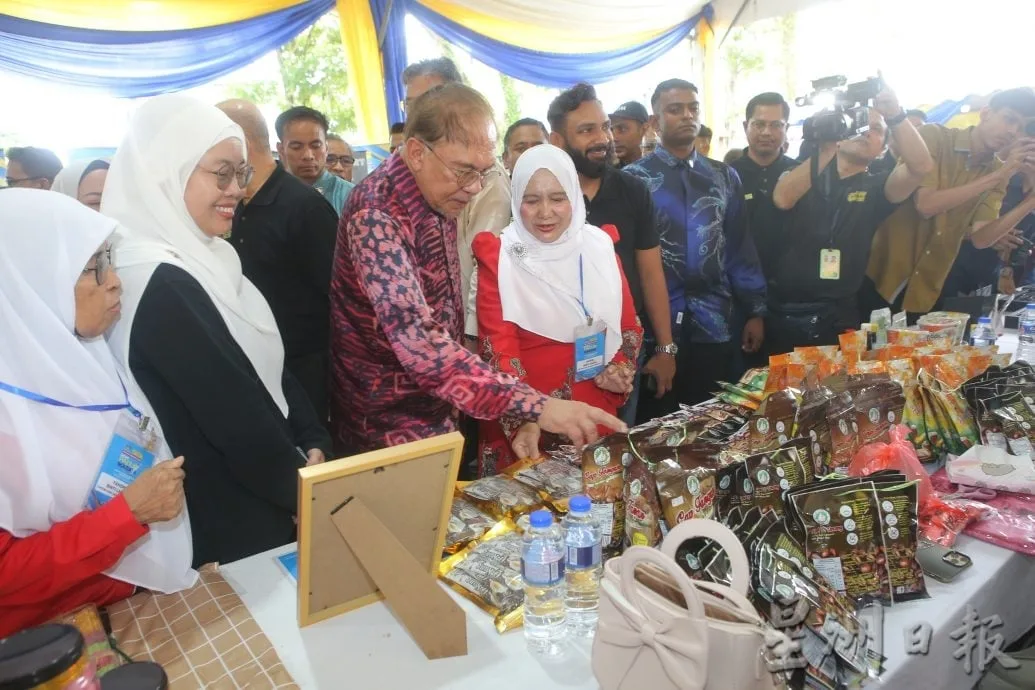
The government is also expanding the People’s Income Initiative’s Food Entrepreneurs Program (IPR Insan), which has deployed 1,125 vending machines nationwide. Approximately 58% of participants earn over RM 2,000 per month, and cumulative sales have exceeded RM 20 million, supporting income growth for micro-entrepreneurs [2, 3, 5]. Prime Minister Anwar Ibrahim emphasized the importance of efficient aid delivery, stating, "We hope future 80% of allocations truly reach the poor people, with only 20% for management costs" [2].
The Ministry plans to introduce a biodiesel measure by June 1, designed to extend diesel supply by up to 20 days to support energy transition and reduce carbon emissions [3]. This is part of the broader strategy to enhance national economic resilience amid global uncertainty.
Further reviews and consultations will continue before any formal changes to subsidy eligibility frameworks are made.