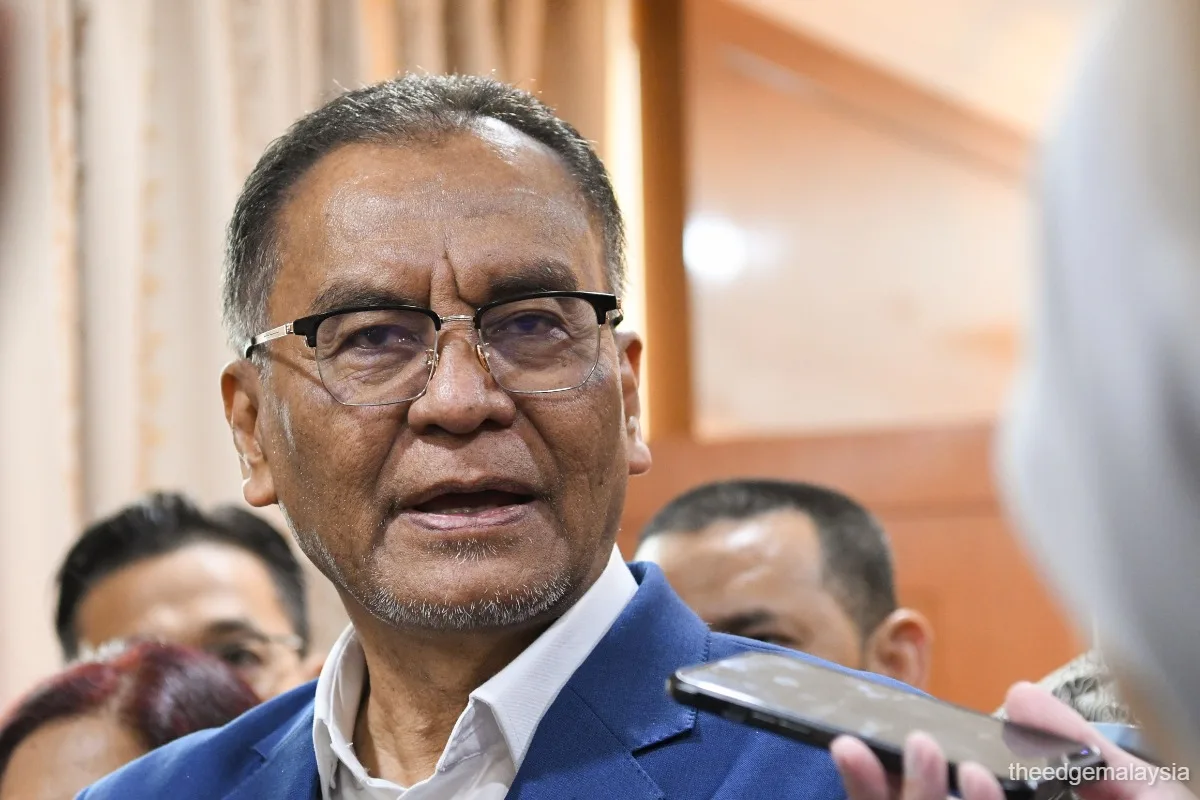
Medicine prices in Malaysia have maintained overall stability in 2026, with any increases limited to about 1% to 2%, according to Health Minister Datuk Seri Dzulkefly Ahmad. He told the Seri Iskandar Hospital inauguration on May 14 that "the prices of medicines remain stable and if there is any increase, it is only around one to two per cent" [1, 2].
Manufacturers, including major players like Pharmaniaga and the Malaysian Organisation of Pharmaceutical Industries (MOPI), have absorbed higher production and logistics expenses, such as rising diesel costs to maintain stable prices for consumers [1, 2]. The industry has taken on these increased operational costs rather than passing them fully to buyers.
The Malaysian government has taken steps to strengthen supply chain resilience. It signed a memorandum of understanding to diversify sources of raw materials critical for medicines and medical devices, including petrochemical products, resins, polymers, and Active Pharmaceutical Ingredients (API) [1, 2].
The Ministry of Health established a special task force that uses early warning systems, weekly reports on supply sufficiency, pricing, and contingency stock plans to proactively monitor medicine availability and prices [2]. The Ministry also launched a "neural hub," a one-stop center integrating information from public and private healthcare providers and industry participants, aiming to prevent disruptions in essential medicine supplies [2].
The Ministry's efforts, together with manufacturers’ cost absorption, have kept medicine price hikes minimal despite inflationary pressures from fuel and logistics.
Health Minister Datuk Seri Dzulkefly Ahmad's comments at the hospital event on May 14 remain the most recent official update on medicine pricing in Malaysia [1, 2].