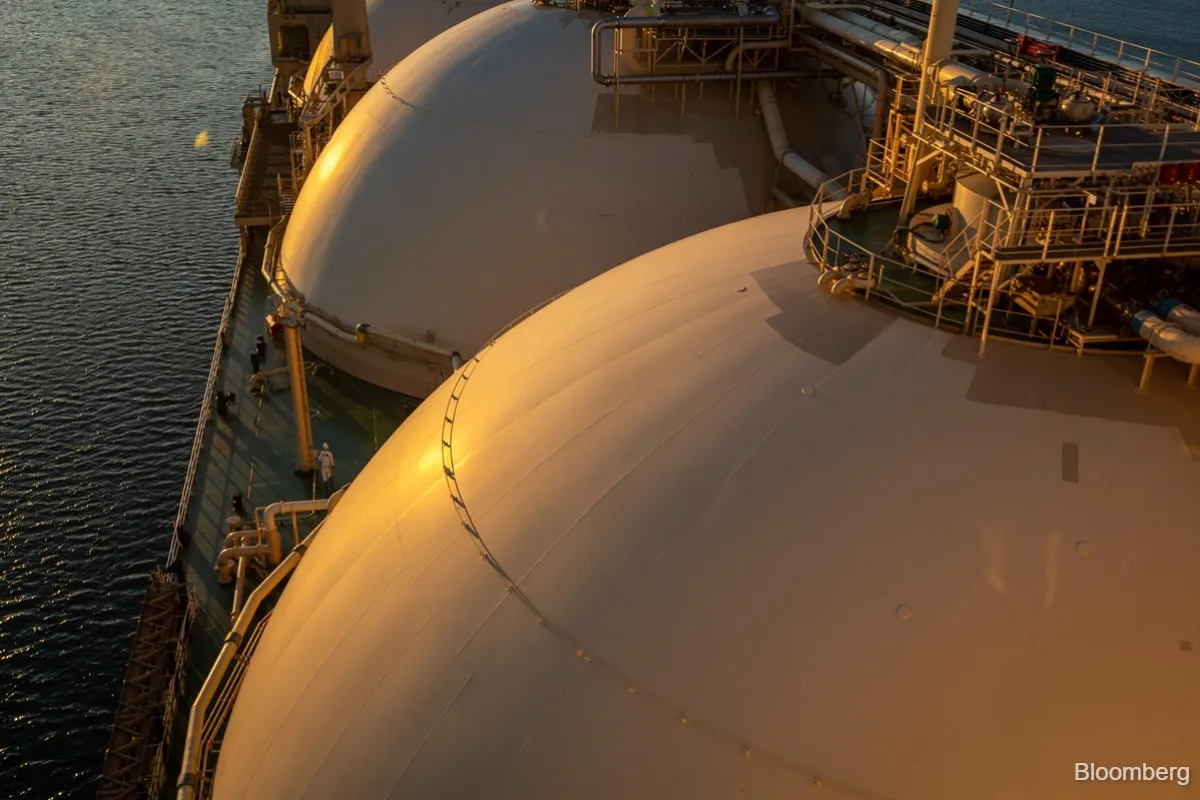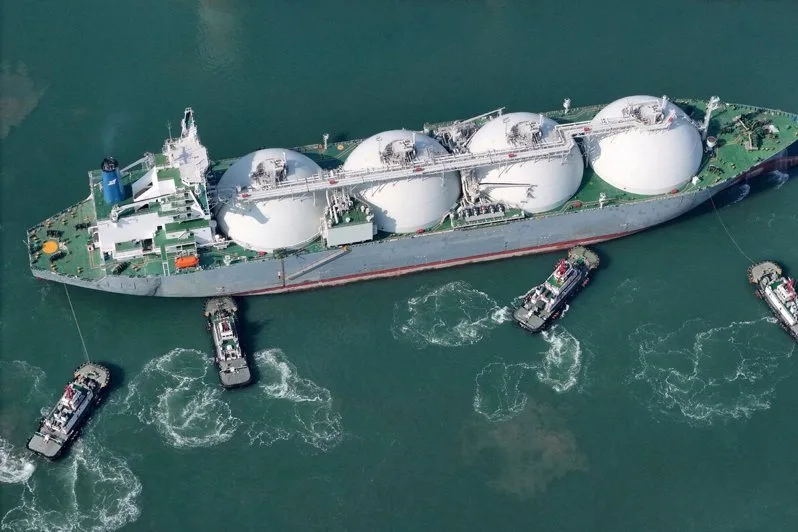
Morgan Stanley expects liquefied natural gas (LNG) prices to rise to levels not seen in more than three years, driven by hotter weather in Asia and increased restocking needs in Europe [1, 2]. The forecast follows the effective closure of the Strait of Hormuz since late February, caused by U.S. and Israeli attacks on Iran, which cut about one-fifth of global LNG supply from Persian Gulf producers Qatar and the United Arab Emirates [1, 2].
Morgan Stanley analysts said, “In March and April, sharp declines in global imports helped offset much of the lost supply. As urgency to rebuild storage grows and summer heat sets in, demand has started to recover.” [1] Analysts also noted the conflict means prices will remain high even if tensions ease soon, as the supply disruptions are significant [2].
Despite the Gulf supply loss, global LNG supply in May was only about 1 million tonnes lower year-on-year. This was due to increased production from other regions and new North American export capacity [1, 2]. However, consumption has picked up fast in key Asian markets including India and China, as their window for replenishing inventories ahead of winter quickly narrows [1, 2].
Data from Kpler show Asian LNG arrivals are expected to reach 21.83 million tonnes in June, the highest for five months and above June 2025’s 21.55 million tonnes [2]. Chinese imports in June are forecast at 4.48 million tonnes, slightly below the four-month peak in May but well ahead of earlier months [2]. Japan’s arrivals in June are expected at 5.33 million tonnes, a three-month high and above last June’s 4.91 million tonnes, while South Korea’s shipments are forecast at 3.26 million tonnes, slightly under May and last June levels [2].
U.S. LNG exports to Asia are predicted to drop from May’s record 4.07 million tonnes to about 2.73 million tonnes in June but remain elevated compared to pre-conflict levels [2].
Morgan Stanley analysts forecast Asian benchmark natural gas prices will rise to around $25 per million British thermal units during the third and fourth quarters, more than 30% above futures prices and the highest since early 2023 [2]. The price surge reflects the combined effect of weather-driven demand growth and ongoing supply disruptions.
The next key period will be the upcoming winter and the window to rebuild inventories. Market watchers will monitor Asian consumption and supply routes closely to gauge how prices evolve as storage refilling intensifies and geopolitical risks persist.