Myanmar has turned migrant remittances into its largest source of foreign currency inflows following new rules imposed by the military junta in 2024 that pressure citizens abroad to send money home through official channels [1, 2].
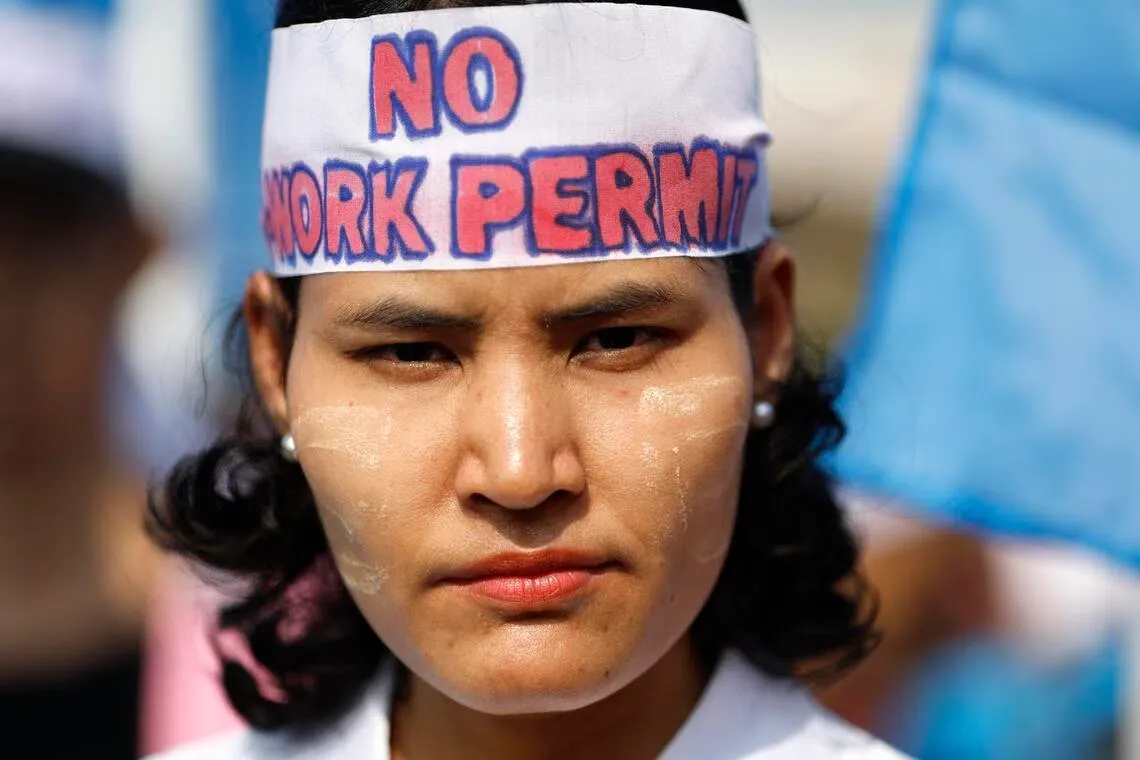
Worker remittances surged to US$5.6 billion in 2025, constituting about 38% of all foreign inflows. This is a sharp rise from US$670 million recorded in 2022, the year after the military took power [1, 2]. The 2024 regulations require migrant workers to remit at least 25% of their income via formal banking channels. Non-compliance can affect their passport renewals and overseas work rights [1, 2].
These remittance inflows provide a critical financial lifeline to Myanmar’s tightly controlled banking system. Financial analyst Kaho Yu said, “Surging remittance inflows are providing a financial lifeline to Myanmar’s tightly controlled banking system at a time when the authorities remain under pressure to stabilize foreign exchange liquidity and external balances” [1].
The junta relies on control over foreign currency to finance essential imports such as fuel, pharmaceuticals, and food. Payments for military equipment are also processed through state-owned banks guarded by the regime [1, 2]. While many funds enter through private lenders, all overseas currency conversions and usage remain tightly regulated by the authorities [1, 2].
Several Myanmar conglomerates with close military ties operate private banks involved in handling these remittances. UN investigators recommended probes into two such banks for alleged links to crimes against humanity targeting the Rohingya minority, claims Myanmar denies [1, 2].
Economic indicators show the country remains under strain. Inflation stood near 30% in 2025, while foreign direct investment dropped sharply to US$83 million in the same year [1, 2]. Earlier in 2025, military leader Min Aung Hlaing was installed as president following an election that Western nations mostly dismissed [1, 2].