Renewed Israeli strikes on southern Lebanon killed 11 people, including a senior Hezbollah commander, marking the deadliest violence since a ceasefire in June [1, 2, 3]. The ceasefire agreement between the US and Iran formally expired on August 17 with no progress on a replacement deal [1, 4, 5, 6, 7].
Oil prices rose following the surge in regional tensions. Brent crude climbed to above $91 per barrel, while West Texas Intermediate (WTI) crude topped $85, extending gains for the fourth consecutive day [1, 4, 5, 6, 2, 3]. There were differing reports on August 17's exact prices, with some sources noting Brent crude trading near $89 to $91, while others indicated a more modest rise to around $88.7 per barrel [1, 2, 3, 8, 7].
Shipping traffic through the Strait of Hormuz, a critical oil transit chokepoint, slowed sharply over the weekend of August 15-16 amid tanker attacks and heightened tensions. Only five vessels passed on August 15, and none were recorded on August 16 [8, 7]. The decline in vessel movement raised concerns over potential supply disruptions.
US administration officials, including President Donald Trump and Energy Secretary Chris Wright, indicated no urgency to resume peace talks with Iran. Trump said, "They want to make a deal, but they’re not going to make the kind of deal that I feel is necessary" [5]. Wright noted the US was "playing the long game with the Islamic Republic" [4].
Analysts highlighted ongoing geopolitical risks but noted relative calm compared to past flare-ups. Kyle Rodda, senior analyst at Capital.com, said, "The most significant headwind for the market currently remains geopolitical uncertainty, which continues to weigh on market sentiment here and there – although the relative lack of military activity in the Middle East has lowered volatility at the margins" [1]. Tony Sycamore of IG described the situation, "The status quo remains. Both sides remain firmly dug in and the market is left weighing the risk of tighter supply against the comfort of workarounds and other informal channels" [7].
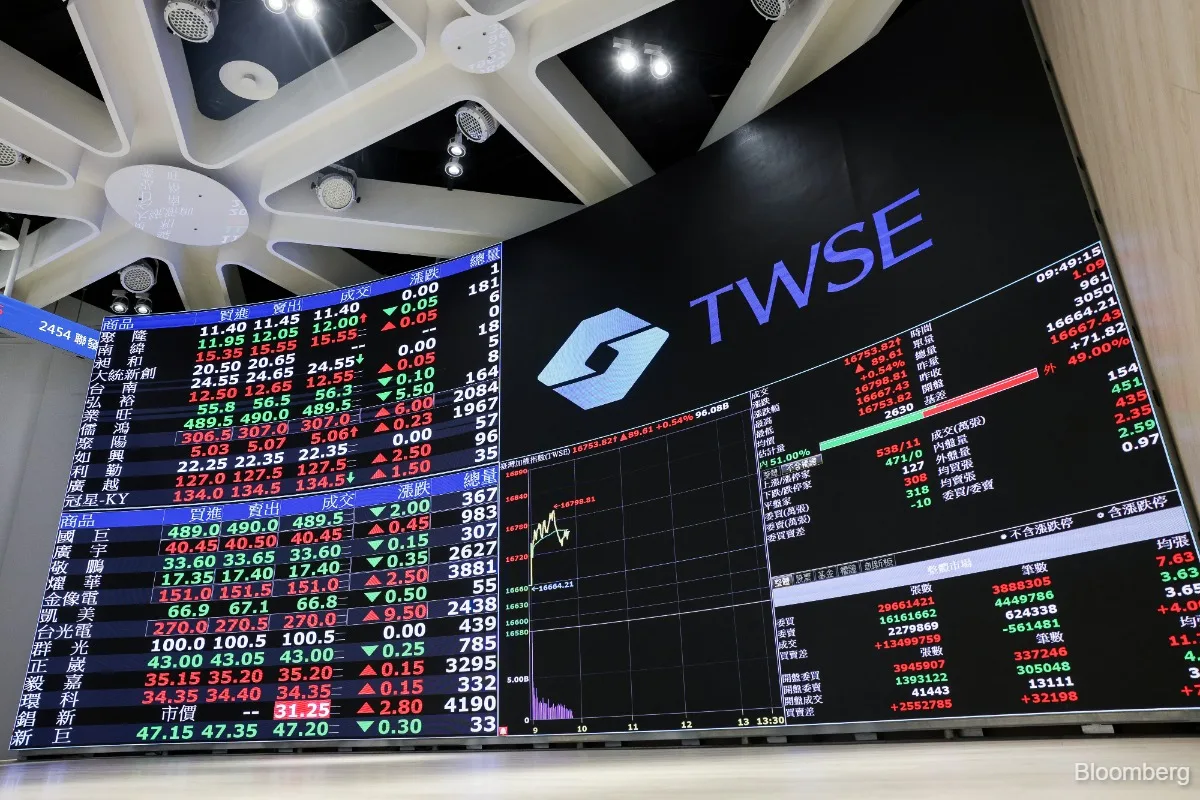
Meanwhile, US equities slid from August 14 to 17 due to weaker retail sales and consumer sentiment data [1, 2, 3]. Emerging Asian currencies and stock markets showed mixed responses amid a softer US dollar and rising oil prices around August 20 [9, 10, 11].
The next key event will be monitoring further negotiations or possible escalations after the US-Iran ceasefire expiry, particularly if shipping patterns through the Strait of Hormuz remain disrupted or new diplomatic talks emerge.