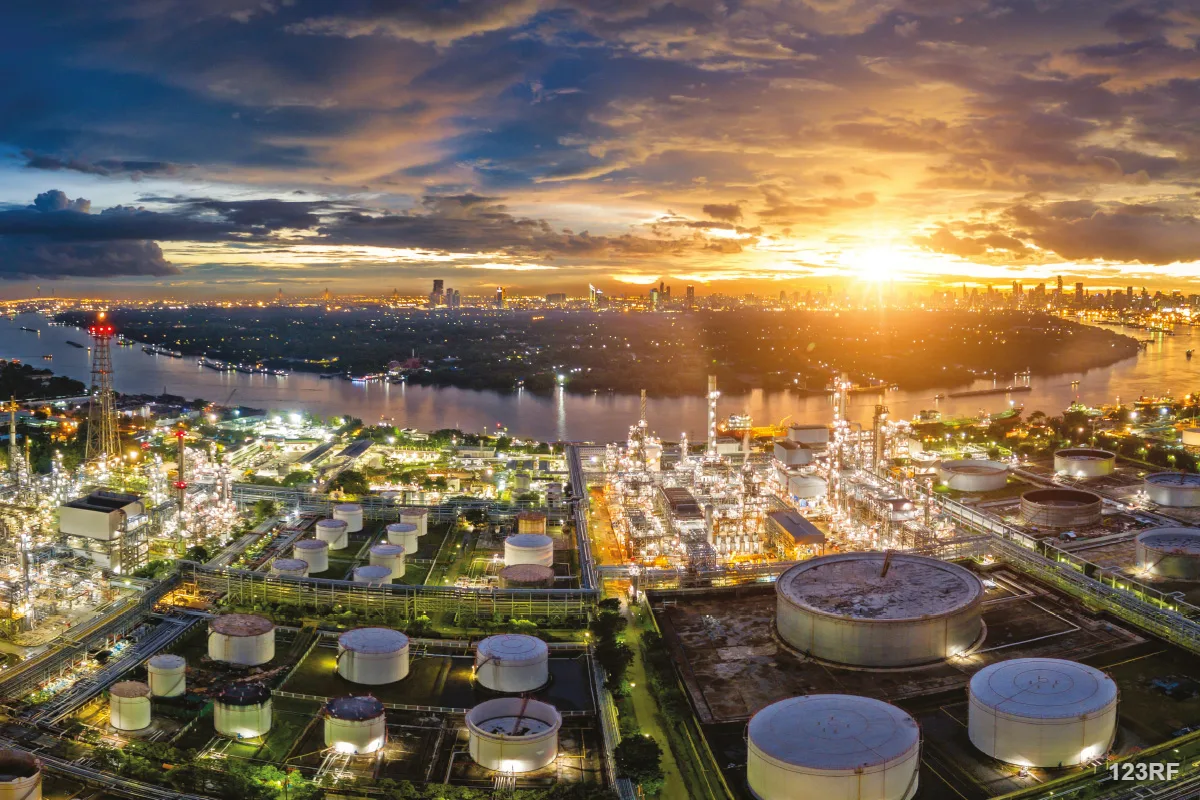
OPEC+ members, led by Saudi Arabia and Russia, agreed on August 2 to raise their collective oil production quota by 188,000 barrels per day for September 2026 [1, 2, 3]. This incremental boost marks the end of the rollback of 2023 production cuts, which had cut output by about 3.5 million barrels per day [3].
Despite the quota increase, actual output is expected to remain constrained by limited capacities of some member countries and ongoing regional conflicts, including violence in the Middle East [1, 3]. The renewed conflict, notably involving Iran, has disrupted oil supplies passing through the Strait of Hormuz, a strategic chokepoint [4, 2]. However, Gulf producers such as Kuwait have raised their crude output to about 1.97 million barrels per day in July 2026, up from 1.65 million bpd in June [4].
The supply disruption linked to the Middle East conflict has contributed to rising fuel prices worldwide, which is fueling inflation pressures in multiple economies [1, 3, 5]. Nevertheless, some countries are maintaining stable fuel supplies. Malaysia, for example, reported that fuel availability at PETRONAS gas stations nationwide is sufficient to cover about half of domestic demand and is expected to remain stable through September [6]. Datuk Seri Azalina Othman Said stated, "The supply of fuel (including petrol and diesel) at PETRONAS gas stations nationwide is expected to be stable and sufficient until September" [6]. Malaysia is also securing crude imports beyond West Asia from regions such as West Africa and the Americas to ensure energy security [6].
Meanwhile, Malaysia’s manufacturing sector showed modest improvement in July 2026 despite subdued business confidence caused by geopolitical tensions, including the Iran war [7]. In Vietnam, higher fuel import costs caused the trade deficit to widen to US$3.587 billion in July; crude oil import value rose 18 percent even as volumes declined [8].
In Switzerland, annual inflation slowed to 0.4 percent in July 2026, with some relief provided by a month-on-month drop in petroleum product costs. However, prices remain up 13.6 percent year-on-year due to the Middle East conflict [5].
OPEC+ plans to continue holding monthly meetings to adjust production levels as needed, with the next scheduled for September 6, 2026 [2].