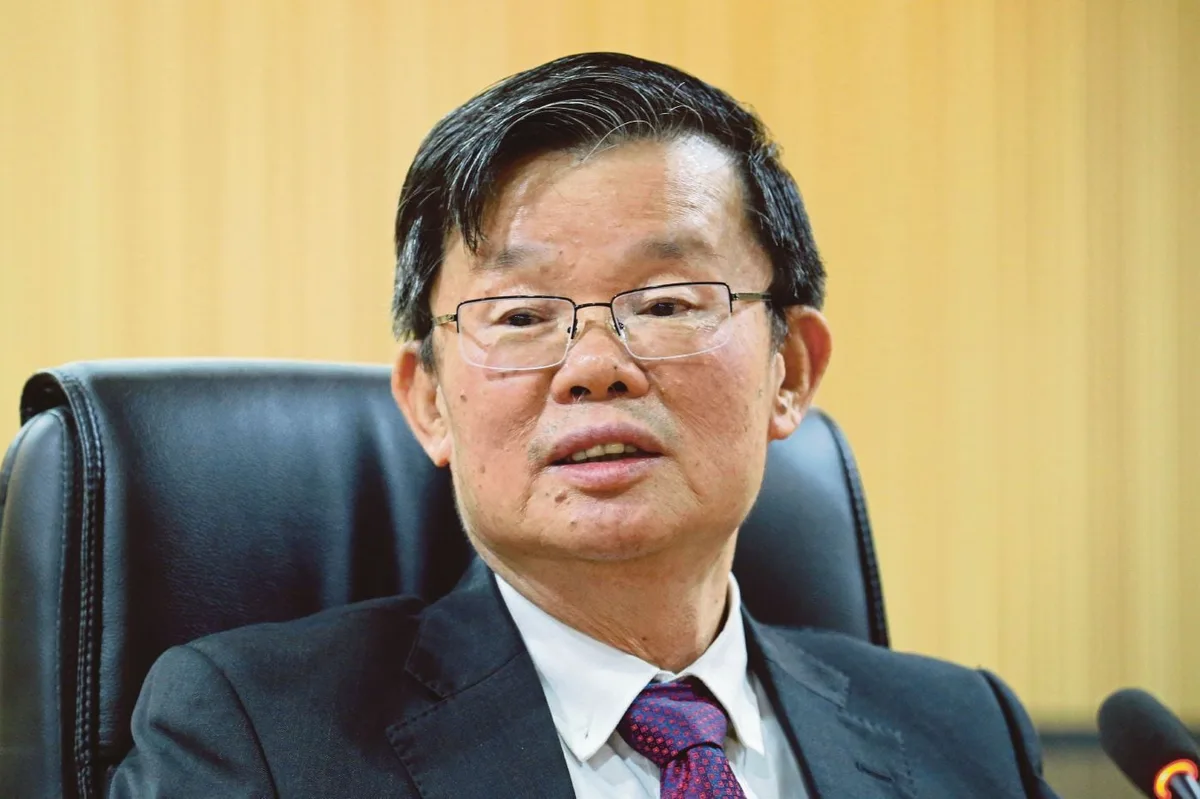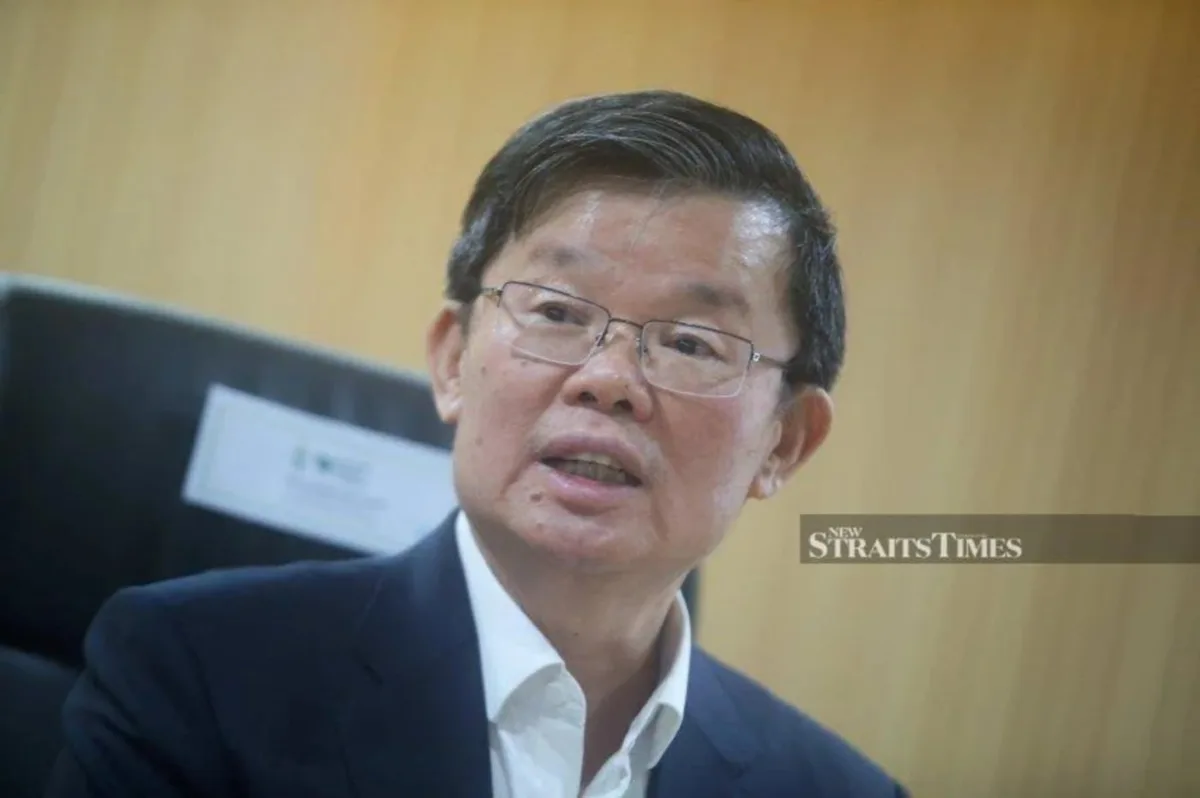
The Penang state government is speeding up the digitalisation of public services and revenue collection to boost efficiency and cut revenue leakages, according to multiple sources [1, 2, 3]. Chief Minister Chow Kon Yeow outlined short-term plans including periodic reviews of fees and charges, enforcement on outstanding revenue, and monetising state assets to increase non-tax revenue, noting, "Among others, we are conducting periodic reviews of fees and charges, enforcing collection of outstanding revenue, and monetising state assets as effective sources of non-tax revenue" [1].
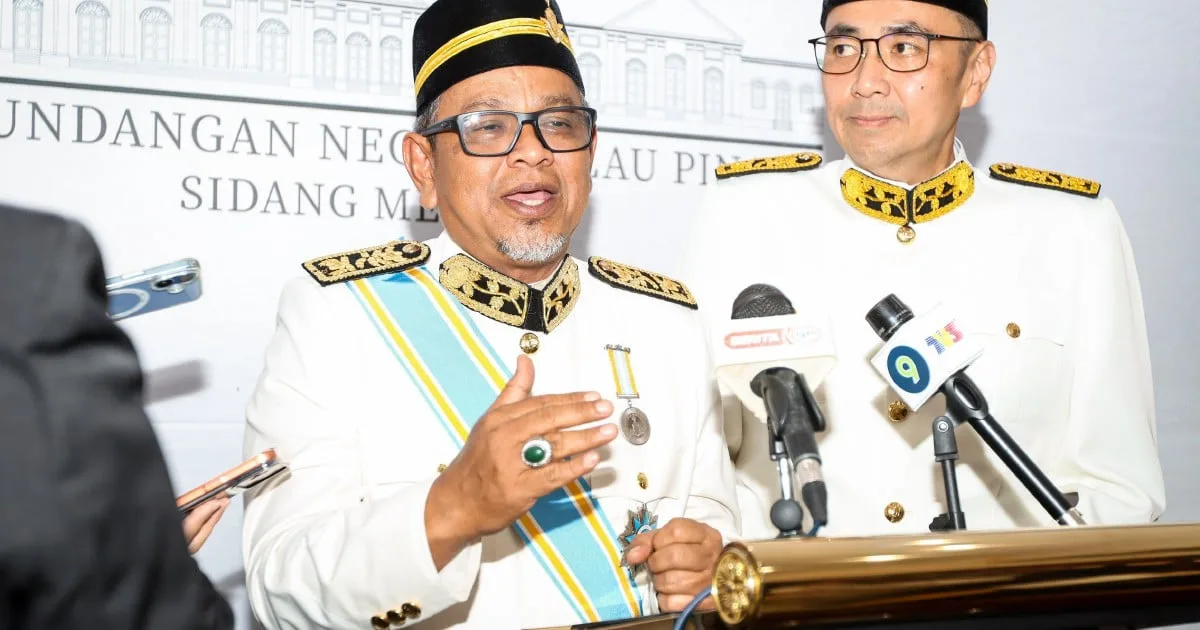
Penang aims to attract high-technology investments, focusing on advanced semiconductor industries and the digital economy with support from InvestPenang [1, 2, 3, 4]. The state is also developing its green economy by leveraging ecological fiscal transfers, public-private partnerships, and projects in e-waste recycling and waste-to-energy [2, 5, 4]. Penang hosts 7 of Malaysia’s 17 licensed e-waste processing companies, providing a strong base for green industry growth. Datuk Seri Reezal Merican Naina Merican said, "The e-waste recycling industry has strong potential as it involves the processing of valuable metals such as nickel, lithium and cobalt" and urged, "The concept of waste to wealth and waste to resource should drive the state's ambitions to showcase a determination to harness green industries" [5, 4].
Fish landings in Penang’s Teluk Kumbar and Batu Maung areas remained stable, with 496.57 tonnes recorded in 2025 compared to 472.44 tonnes in 2023, disproving claims that the Silicon Island reclamation harmed local fisheries [6, 7, 8]. Datuk Rashidi Zinol stated, "This comparison clearly shows there is no significant increase or decrease in catch, thus refuting claims that development has affected the fisheries sector in the area." He added that fishermen near Silicon Island have not reported catch losses from construction activities [6]. No fishermen or residents were relocated or compensated due to the Silicon Island project, but ex gratia payments totaling RM11.85 million were distributed to 795 registered fishermen under social impact and ecological offset schemes [6, 7, 8].
The state government confirmed it will not raise taxes or service charges to boost revenue. Instead, it will focus on optimising asset utilisation, efficient revenue collection, and prudent diversification. Chief Minister Incorporated generated RM6.41 million in revenue in 2024, and government-linked companies contribute indirectly and directly to the state’s income through projects and infrastructure [3].
Regarding the timing of the next state election, Chow Kon Yeow said the decision on holding concurrent state and general elections will depend on constitutional reviews and party leadership. He remarked, "We need to look at this from two angles — one based on the constitution and another based on the political party's stand," and added, "I must accept any decision made by the party leadership on this matter" [9, 10].
The state also addressed opposition allegations concerning 365 foreign-owned residential units purportedly sold below the foreigner ceiling price. Authorities clarified this arose from misinterpreting Home Ownership Campaign sales during 2020-2024. Datuk Seri S. Sundarajoo said, "Some of the properties sold during the HOC were registered in 2025, so this does not mean that those properties were sold at a lower price in 2025" [11].
On May 12, 2026, Chief Minister Chow detailed longer-term plans including further high-value investments, tourism growth, and digital economy development to reduce reliance on federal funds [2]. Today, he reaffirmed no tax increases would be implemented, focusing instead on revenue efficiency and asset monetisation [3]. The timing of elections remains under review, pending constitutional and party guidance [9, 10].