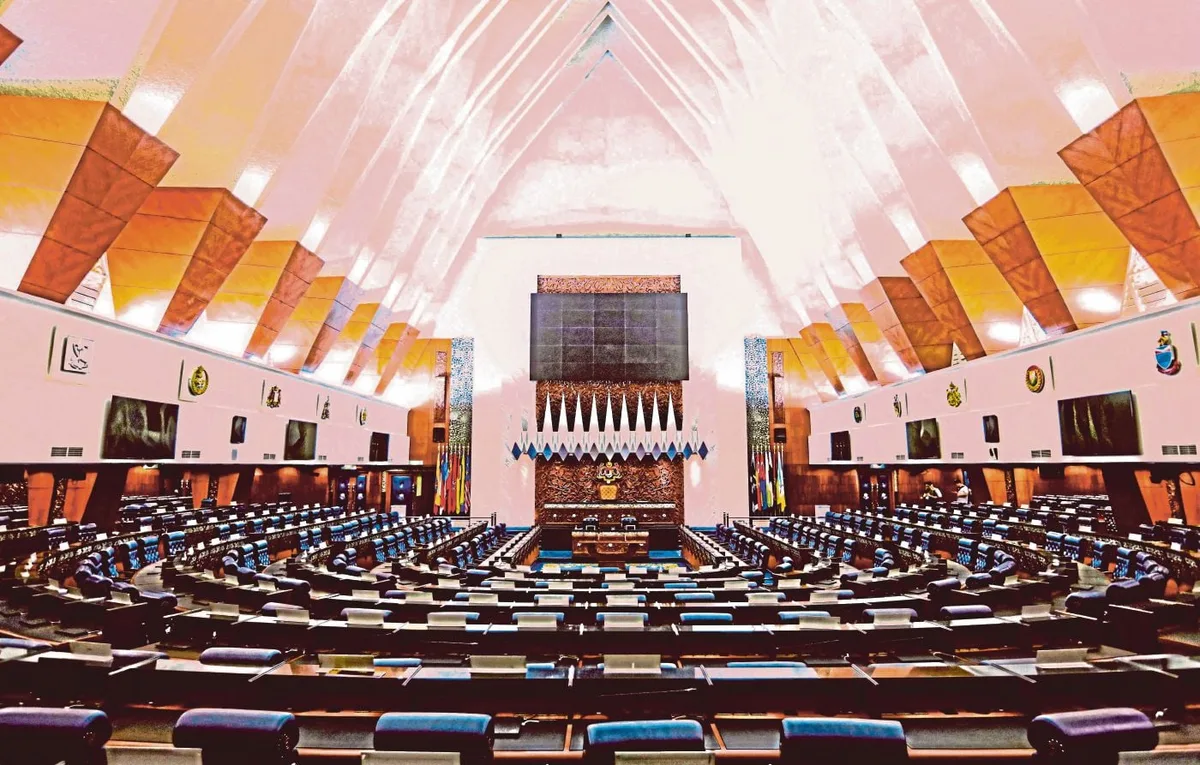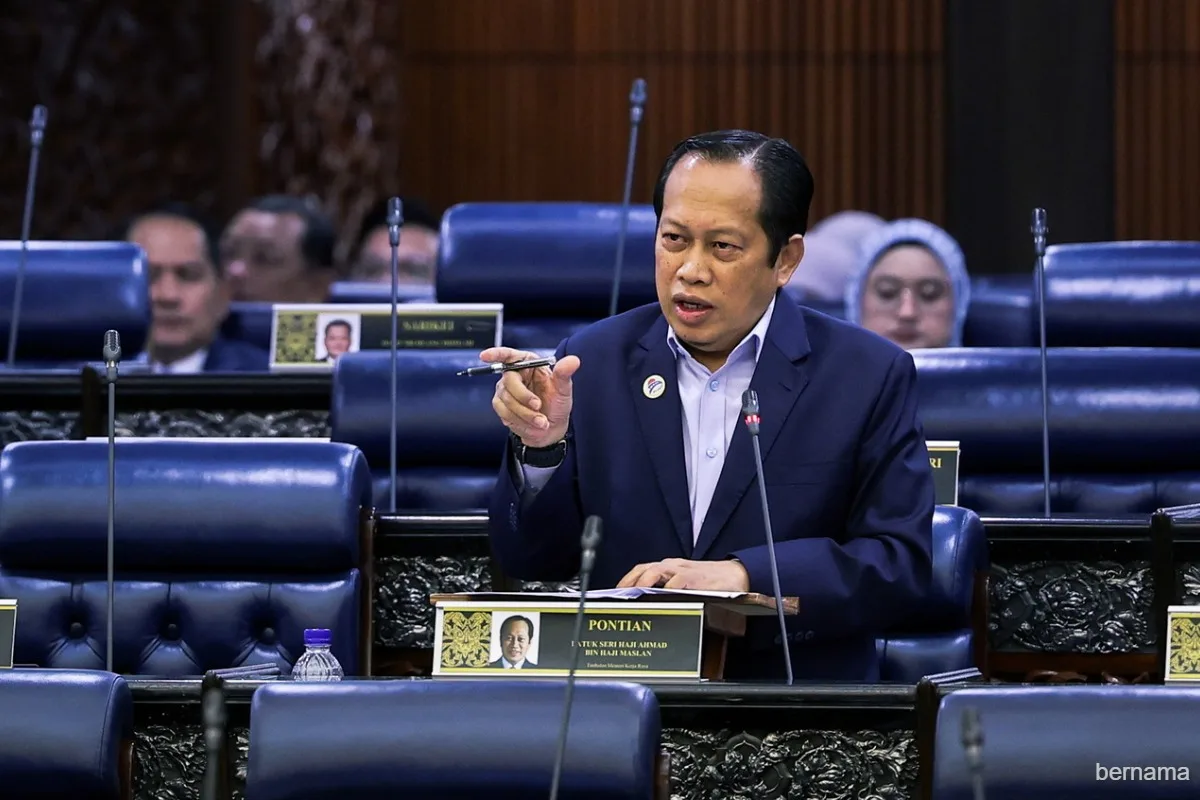
Phase 3 of the East Coast Expressway (LPT3) will be developed through a public-private partnership (PPP) model because of financial constraints faced by the federal government, Deputy Works Minister Datuk Seri Dr Ahmad Maslan said on July 8 in Dewan Rakyat [1, 2, 3]. Under this arrangement, the successful bidder will bear the entire estimated RM9.8 billion development cost based on a 2022 study [1, 2, 3].
The 122-kilometre dual two-lane carriageway will connect Kampung Gemuruh in Kuala Terengganu to Tunjong in Kota Bharu [1, 2, 3]. The highway will include five elevated interchanges along its route, designed to JKR R6 at-grade standards with two lanes in each direction [1, 2]. The project will be developed under a Build-Operate-Transfer (BOT) concession model [2].
Dr Ahmad Maslan said the route currently experiences congestion only during peak periods like Hari Raya and holidays. He highlighted that upon completion of the East Coast Rail Link (ECRL), residents will have another travel option to the Klang Valley. "Once the Kota Bharu-Kuala Krai Expressway (KBKK) and Lingkaran Tengah Utama (LTU) Expressway are completed, they will offer another option, making the LPT3 the third alternative," he said [1].
Toll rates and the concession period for LPT3 have not been finalized. Dr Ahmad noted a 2022 study estimated a toll rate near RM80, but the figure needs review given current conditions. He explained that final toll pricing will consider construction, financing, operations, traffic volume, and concession duration [2].
The government prefers direct funding if available but must turn to PPP due to other priority projects and financial limits. "If funding is insufficient because there are other projects that are more important, we need to go with a PPP model," Dr Ahmad stated [2].
The 15th Parliament's Second Meeting of the Fifth Session is scheduled from July 8 to 16, during which the LPT3 PPP implementation and related issues were discussed [4, 5].