Malaysia’s Prime Minister Anwar Ibrahim reiterated on June 30 that no new projects or policy announcements are allowed during election campaigns under Section 24B of the Election Offences Act 1954, but previously approved initiatives can still be communicated. He said, "Our position remains unchanged. Once nomination day has been announced, campaigning may proceed, but there must be no announcement or promise of new projects or new policies for the state concerned" [1].
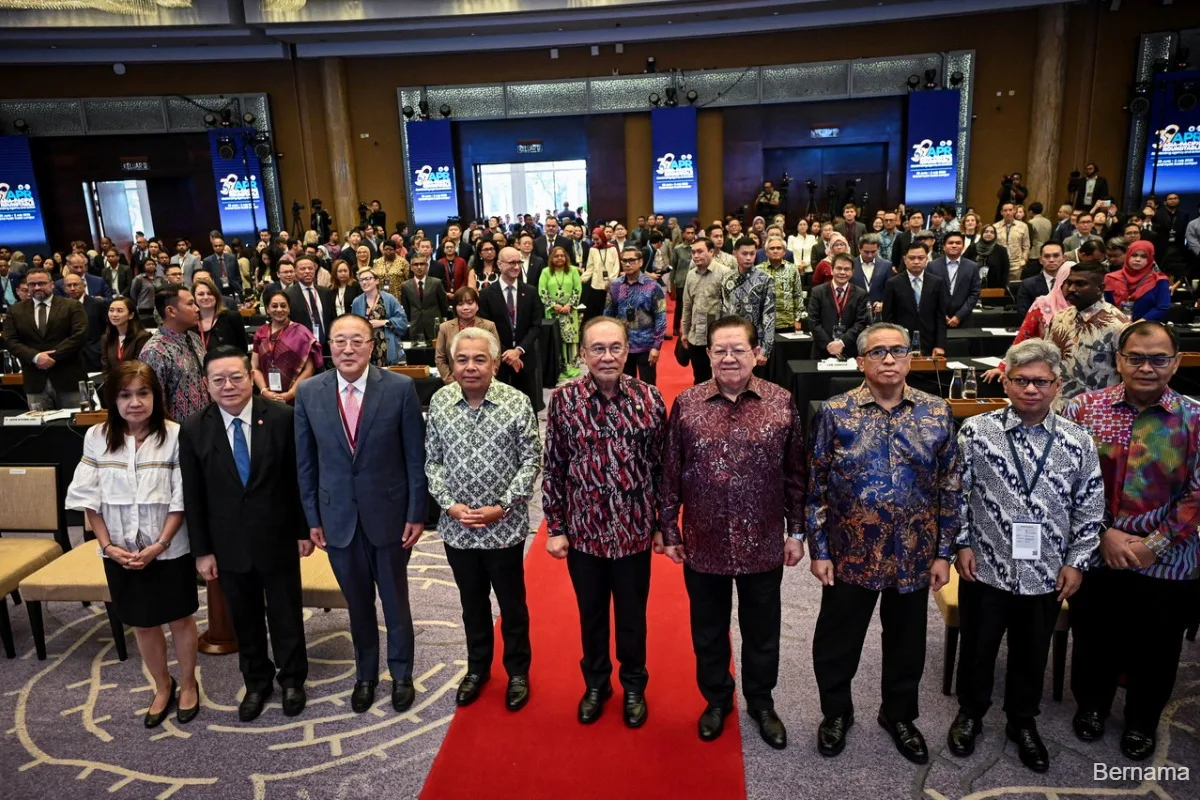
Anwar highlighted Malaysia’s push to establish a sovereign cloud infrastructure to protect critical and personal data from foreign legal reach, citing issues with the US Cloud Act that grants American companies access to data abroad. He said, "The Cloud Act has created some issues because President Trump has said that companies established in the United States have the right to penetrate and get all the data from countries where they invest" [2]. This was emphasized at the 39th Asia-Pacific Roundtable, where he also spoke on the need for strong governance to fight corruption, reduce inequality, and uphold democratic pluralism [2, 3].
On the matter of fugitive businessman Jho Low, linked to the 1MDB scandal, Anwar stated the government’s position remains firm despite reports of a possible US pardon. "Malaysia’s position is clear. We follow the rule of law. Whatever the US decides, that’s their internal matter. We will not be influenced, disturbed or affected by any US decision," he said [4]. Meanwhile, PAS deputy president Tuan Ibrahim Tuan Man called for Jho Low’s extradition and trial within Malaysia, noting the scandal's economic impact [5].
Anwar addressed recent criticism over federal development allocations to states, dismissing claims of unfairness. He explained nearly every state apart from Selangor and Penang receives more federal funds relative to their tax contributions. For example, Penang contributed RM10.7 billion in taxes from 2023-2025 but was allocated only RM7.9 billion, a RM2.8 billion shortfall highlighted by DAP lawmaker Lim Guan Eng who called for a fairer formula and compensation [6, 7, 8]. Anwar said, "The federal government cannot be trapped by decisions made at the state level and be expected to automatically provide additional allocations or loans when problems arise" [9].
Anwar also announced the government is about to finalize the AI Governance Bill, aiming to ensure responsible and human-centered use of artificial intelligence alongside existing cybersecurity laws. "The Malaysian government is completing the AI Governance Bill and we will need your input. We want to make sure that we are up to the state of the art," he said [10].
Highlighting Malaysia’s growing digital economy, he cited Ant Group’s launch of a Global Operations Centre in Kuala Lumpur, expected to generate jobs and boost technology capabilities. He underlined Malaysia-China cooperation on trade using the ringgit-yuan settlement, which rose to 18%, to reduce dependence on the US dollar [11, 12]. Anwar stressed, "There is stability in this country, there is clarity of policy, there is determination by the leaders, the bureaucrats, the private sector and the young professionals," adding economic benefits must be broadly shared [11, 12].
The next major step includes consultations on the AI Governance Bill as the government finalizes its provisions, aiming to push Malaysia’s governance and digital economy goals further.