The Philippines warned of power outages lasting up to seven hours across its two main grids amid searing heat and power plant shutdowns, affecting millions of residents [1, 2]. Red alerts issued by the National Grid Corporation of the Philippines (NGCP) cover 32 areas in the Visayas grid facing potential seven-hour outages and nine areas including Manila on Luzon facing hour-long blackouts [1, 2].
On May 13, two major high-voltage transmission lines tripped, triggering the Luzon red alert that extended into May 14, contributing to a power capacity shortfall exceeding 3% in Luzon and nearly 7% in Visayas [1, 2]. Since early May, 27 power plants have undergone temporary shutdowns, further straining supply during the hottest month of the year, when demand for air conditioning surged [1, 2, 3, 4, 5].
Rolling one-hour outages struck Manila and parts of Luzon on May 14-15 starting mid-afternoon, caused by major grid disruptions and maintenance-related plant shutdowns [3, 4, 5]. These disruptions are expected to spread to central Philippine islands, leading to longer cuts up to seven hours [3, 4, 5].
Energy Secretary Sharon Garin called for transparency and a full investigation into the incidents. "The public deserves a full and transparent accounting of the incidents that led to these grid alerts," she said, adding, "We will ensure that all operational, technical, and compliance dimensions are fully examined and that appropriate actions are taken where warranted" [2, 3, 4, 5].
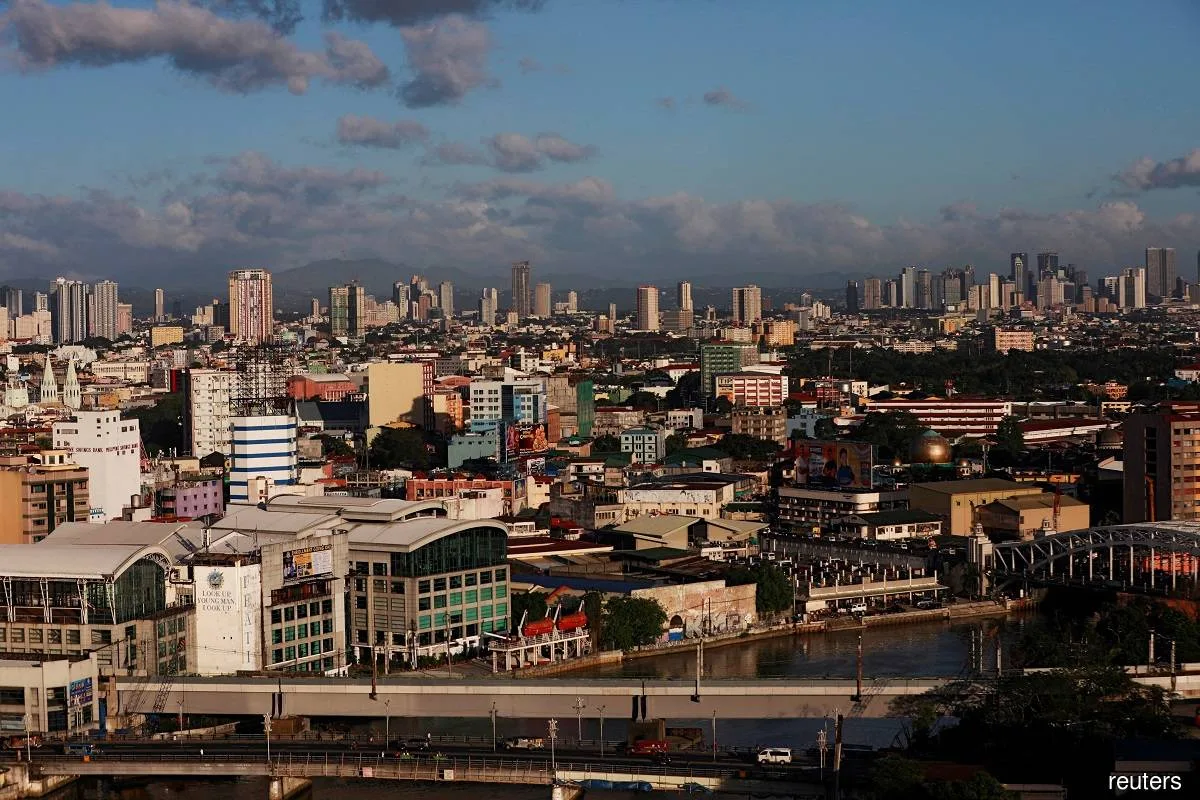
Luzon, home to almost half of the Philippines’ estimated 116 million people and a large share of economic activity, suffered some of the worst impacts during peak demand periods [3, 4, 5]. Despite government agencies observing a four-day workweek due to the Iran-US-Israel conflict, outages still took place [3, 4, 5].
The NGCP expects sufficient power supply to be available on May 15 across its three main grids, raising hopes outages will ease soon [1, 2]. The situation remains fluid as power companies work to restore full capacity.